Discover effective ways to boost your activity and burn calories even with a busy schedule. Learn how everyday movements like stair climbing, walking, and housework can transform your health.

Struggling to Find Time for Exercise?
In our fast-paced modern world, many of us worry about our health, often feeling a constant 'lack of exercise' due to limited time for gym visits or structured workouts. But here's good news: you don't need elaborate preparations to effectively burn calories and boost your physical activity. Simply integrating small movements into your daily routine and leveraging what's known as 'Non-Exercise Activity Thermogenesis (NEAT)' can make a significant difference. By consciously adopting more active habits, you can transform your well-being. Let's explore practical strategies to build a more vibrant body, even with the busiest schedules.

The Science Behind Small Movements, Big Changes
The impact of everyday activities on our health is surprisingly profound. NEAT refers to all the energy expended through physical activity that isn't intentional exercise. This includes common movements like doing dishes, cleaning, or walking. These consistent, moderate movements elevate your heart rate, providing cardiovascular benefits, and engage various muscle groups, contributing to a higher basal metabolic rate. For instance, climbing stairs burns approximately 2 to 3 times more calories than brisk walking on flat ground, while simultaneously strengthening major lower body muscles like the thighs, glutes, and calves. It's an incredibly time-efficient exercise that provides both strength and cardio benefits. When these seemingly minor activities accumulate, they result in substantial energy expenditure, positively impacting your fitness and weight management goals.
※ This post contains affiliate links. I may earn a commission at no extra cost to you.


Effective Workouts You Can Integrate into Your Routine
Our environment offers countless opportunities to turn everyday actions into beneficial workouts, if only we choose to.
- Stair Climbing: Opting for stairs over elevators or escalators is an excellent way to strengthen your lower body muscles and improve cardiovascular endurance. Since it involves supporting your entire body weight, it offers both strength and aerobic benefits.
- Brisk Walking: Even simple walking becomes a great calorie-burning exercise when you increase your pace. It's gentle on the joints and can be sustained for longer periods, making it ideal for fat burning. Try walking an extra block on your commute or taking a short stroll during your lunch break.
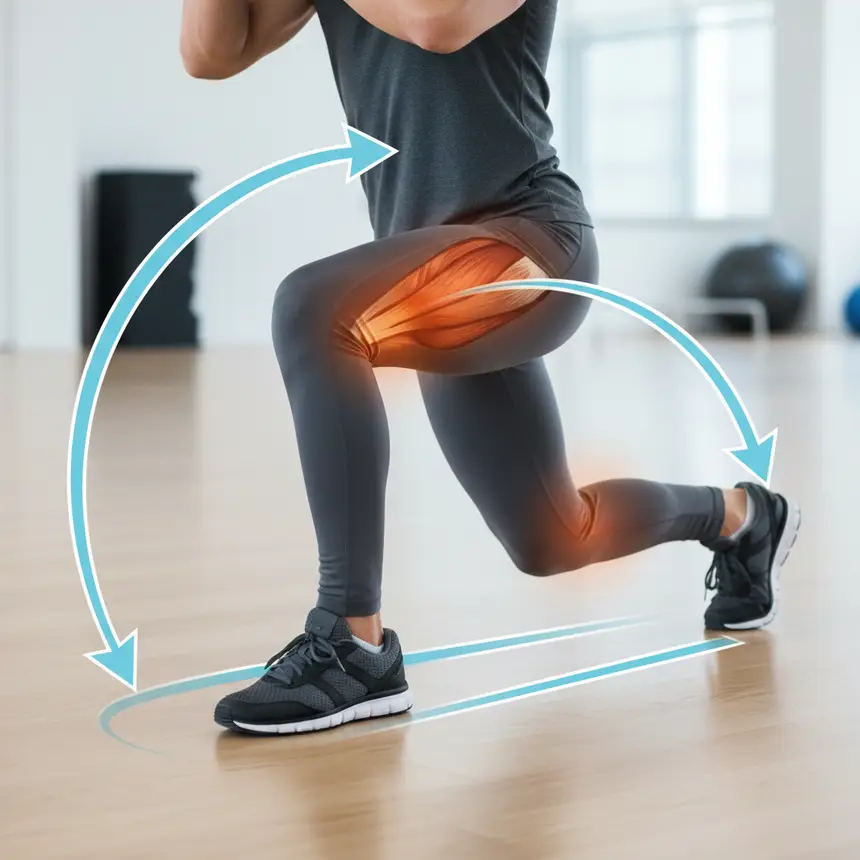
- Housework: Activities like cleaning, mopping floors, or hanging laundry engage various muscle groups throughout your body. Specifically, the squatting and standing motions involved in mopping can provide benefits similar to squats or lunges, helping to strengthen your thigh muscles.
- Hiking or Hill Walking: Navigating inclined terrain demands significantly more energy than walking on flat ground, targeting your core and lower body muscles intensively. It boosts your cardiovascular fitness and offers a great way to relieve stress amidst nature.
- Grocery Shopping and Carrying Items: Carrying grocery bags or moving heavy objects naturally engages your arm and core muscles. This provides a similar effect to light strength training, contributing to increased daily activity levels.
Practical Strategies for Sustained Daily Movement
To effectively transform these everyday activities into meaningful workouts, consider these practical strategies:
- Allocate Time: Even just 5 to 10 minutes of stair climbing can rapidly elevate your heart rate. Ten minutes of stair climbing can yield similar calorie expenditure to 20-30 minutes of brisk walking, so incorporating short, repeated sessions throughout the day is highly effective.
- Focus on Form: When climbing stairs, it's crucial to place your entire foot on each step and maintain a straight back, ascending at a steady pace. For walking, swinging your arms and taking longer strides can enhance calorie burning.
- Consistent Movement: Develop a habit of walking for 10 to 15 minutes, even for short distances. Repeating these short walks 3 to 5 times a day significantly boosts your NEAT, proving highly beneficial for weight management.
- Utilize Housework: Tasks like cleaning or mopping, when performed continuously for at least 10 to 15 minutes, are considered moderate-intensity activities. They lead to substantial calorie expenditure and improved cardiorespiratory endurance. Try putting on some upbeat music to make these chores more engaging.
- Leverage Weight: Carrying groceries or other heavy items for just 5 to 10 minutes can burn 1.3 to 1.5 times more calories than regular walking. When possible, distribute the weight evenly between both hands and maintain good posture as you walk.

The Healthy Transformation of Small Habits
There's no need to despair if you find it challenging to dedicate specific time to exercise amidst a busy schedule. From climbing stairs and brisk walking to doing housework, hiking, and even grocery shopping, every movement in your daily life can be a potential exercise opportunity. The key is to recognize these opportunities and actively seize them. By making small, consistent efforts to move more and gradually increase your activity level, your body will undoubtedly respond with positive changes. Experience firsthand the profound health benefits that accumulate from these seemingly minor habits. Why not start today by discovering the hidden exercise opportunities within your daily routine and embark on a more vibrant life?
Frequently Asked Questions
Q. What's the easiest way to increase my daily activity level?
A. The easiest way is to boost your 'Non-Exercise Activity Thermogenesis (NEAT).' This means consciously adding more movement, such as taking the stairs instead of the elevator, walking short distances instead of driving, or standing up and stretching frequently to reduce sedentary time.
Q. Is stair climbing more effective for calorie burning than regular walking?
A. Yes, stair climbing burns approximately 2 to 3 times more calories than walking on flat ground. This is because it intensively uses lower body muscles and rapidly increases your heart rate, providing both aerobic and strength training benefits simultaneously.
Q. Can housework be considered a form of exercise?
A. Absolutely! Chores like cleaning, mopping floors, or doing laundry can be considered moderate-intensity activities that utilize various muscle groups and burn calories. You can expect significant exercise benefits if you move continuously for 10-15 minutes or more.
Q. What are the benefits of increasing Non-Exercise Activity Thermogenesis (NEAT)?
A. Increasing NEAT boosts your overall daily energy expenditure, aiding in weight management and improving your basal metabolic rate. Furthermore, increased physical activity leads to various health benefits, including improved cardiovascular health, enhanced muscle strength, and reduced stress.