Struggling with carb cravings on your diet? Discover how to make delicious, satisfying low-carb kimbap for a successful ketogenic diet. Get practical tips for healthy, filling meals without the rice!

H2: The Big Question: Can You Truly Feel Full on a Low-Carb Diet?
One of the biggest hurdles in dieting is carbohydrate restriction. For many, staple foods like rice or bread provide comfort and satiety, making their reduction seem like a constant battle against hunger. A rice-free diet often leads to cravings and can derail diet efforts. This struggle for sustained fullness is a major barrier to healthy weight management. Instead of unsustainable starvation diets, a smart ketogenic diet approach focusing on both nutrition and satiety is essential.
H2: Understanding Keto Principles and the Magic of Low-Carb Kimbap
The "ketogenic diet" is gaining attention as an effective way to manage carbohydrates while maintaining satiety during weight loss. This eating plan drastically limits carb intake, instead boosting healthy fats and proteins, prompting your body to use fat for energy. While conventional diets often focus on 'eating less,' the ketogenic approach emphasizes 'what you eat.' In this context, low-carb kimbap transcends a mere alternative, establishing itself as a creative and efficient healthy diet meal.
H3: Smart Ingredient Swaps for Your Low-Carb Kimbap
Creating low-carb kimbap means replacing high-carb rice with nutrient-dense, filling alternatives. By carefully selecting and preparing ingredients, you can craft an excellent ketogenic diet meal that maintains the kimbap structure.
H3: Smart Ingredient Swaps for Your Low-Carb Kimbap
Creating low-carb kimbap means replacing high-carb rice with nutrient-dense, filling alternatives. By carefully selecting and preparing ingredients, you can craft an excellent ketogenic diet meal that maintains the kimbap structure.
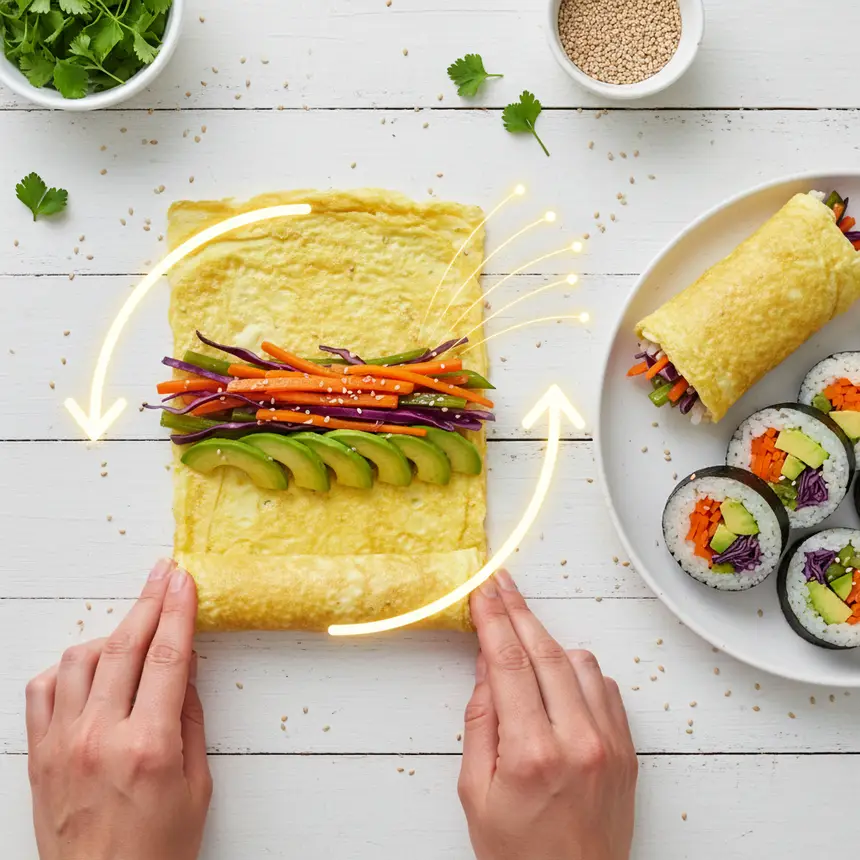
- Egg Strips: Whisk two eggs with salt, cook thin omelets, then slice into strips to mimic rice. They add protein and a savory taste; cook with a touch of olive oil.
- Low-Carb Wraps: Use fried tofu skins or steamed cabbage leaves instead of traditional seaweed. Tofu skins are convenient and pre-seasoned, while cabbage blends well with fillings. Ensure excess moisture is removed.
- Sautéed Vegetables: Thinly slice carrots, cabbage, or other veggies. Sauté them in olive oil with a pinch of salt and sesame seeds. Sautéing enhances natural sweetness, providing rich flavor without rice.
- Healthy Fats: Add avocado to increase healthy fat intake and maximize satiety. Creamy and rich, avocado is perfectly suited for a ketogenic diet. Slice it lengthwise.
- Assembly: Layer egg strips, sautéed vegetables, and avocado onto your chosen wrap. Roll tightly. This simple combination creates a satisfying healthy diet meal without heavy seasoning. It's a hearty option perfect for packed lunches.
※ This post contains affiliate links. I may earn a commission at no extra cost to you.

H2: Navigating Your Low-Carb Journey with Success
Incorporating low-carb kimbap and similar healthy diet meals into your routine can significantly aid healthy weight management. However, consistent practice and closely observing your body's responses are crucial for any dietary change.
H3: Essential Guidelines for Sustainable Low-Carb Eating
H3: Essential Guidelines for Sustainable Low-Carb Eating
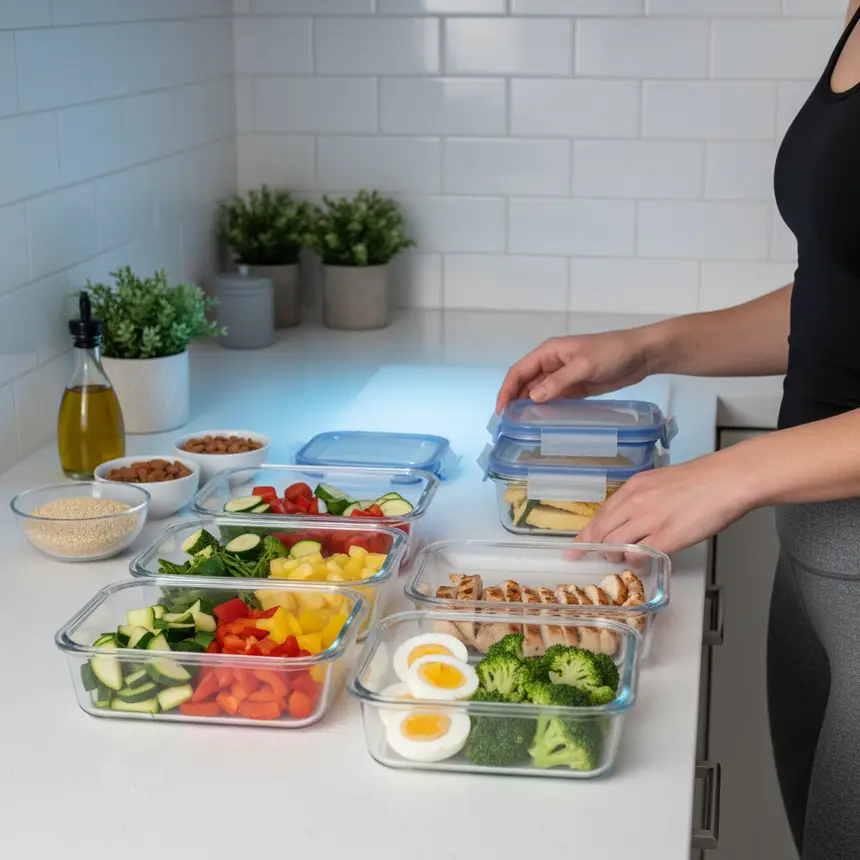
- Embrace Variety: Avoid monotony by using diverse ingredients. Integrate various protein sources like chicken breast or tuna, and different vegetables such as cucumber or bell peppers, to keep your ketogenic diet exciting and nutrient-rich.
- Prioritize Satiety: Key to sustained low-carb eating is maintaining fullness. Increase healthy fat and protein intake from sources like avocado, nuts, and olive oil. Remember to stay adequately hydrated.
- Master Meal Prep: For healthy eating in a busy lifestyle, prepping ingredients in advance is vital. Prepare low-carb kimbap components on weekends for quick, easy meals throughout the week.
- Ensure Nutritional Balance: Even on a low-carb diet, don't neglect other essential nutrients. Consume a wide array of colorful vegetables for vitamins and minerals, and consider consulting a professional if needed.
- Listen to Your Body: When adopting a new diet, carefully monitor your body's reactions. If discomfort or health issues arise, wisely consult a professional to adjust your diet. Remember, excessive restriction can be detrimental to health.
Frequently Asked Questions
Q. What exactly is a ketogenic diet?
A. The ketogenic diet is a dietary approach that involves significantly reducing carbohydrate intake and increasing healthy fat and protein consumption. This shift encourages your body to burn fat for fuel, which can aid in fat loss and maintain satiety.
Q. Can I really feel full with low-carb kimbap, even without rice?
A. Absolutely. Low-carb kimbap is typically made with protein-rich egg strips, healthy fats from avocado, and fiber-packed sautéed vegetables. These ingredients slow down digestion, providing a satisfying and lasting feeling of fullness.
Q. Is it safe to stay on a low-carb diet for a long time?
A. While a low-carb diet can offer various health benefits, the appropriate duration depends on individual health goals and conditions. It's always recommended to consult with a nutritionist or doctor before making long-term dietary changes to ensure it's the right approach for you.
Q. Besides low-carb kimbap, what other low-carb meal ideas can I try?
A. There are many delicious options! You can use cauliflower rice, zucchini noodles, or lettuce wraps as carb alternatives. Other great low-carb meals include chicken salads, grilled steak with roasted vegetables, and various omelets or frittatas filled with veggies and cheese.
Q. Should I use a lot of salt when cooking vegetables for a low-carb diet?
A. It's generally advisable to moderate sodium intake on a diet. When sautéing vegetables, use only a small amount of salt to enhance their natural flavors. You can also experiment with other seasonings like pepper, herbs, or spices to add depth without excess sodium.