A comprehensive guide for beginner women in weight training. Move beyond cardio with structured strength routines, smart nutrition, and tips to build a strong body and sustain your fitness journey.

Still Sticking to the Treadmill at the Gym?
Many women head to the gym with the goal of building a healthier, stronger body, yet often find themselves primarily using cardio machines. It's common to feel hesitant in front of complex weight training equipment or simply not know where to begin, keeping them stuck in a 'beginner' loop. Beyond just losing weight, the desire to build muscle and achieve a balanced physique can be lost without knowing how to start. This apprehension, fueled by worries about incorrect form or uncertain results, often hinders consistency. It’s time to overcome these challenges and truly experience the joy and growth that comes with effective strength training.
Unpacking the Challenges: Why Progress Stalls for Beginners
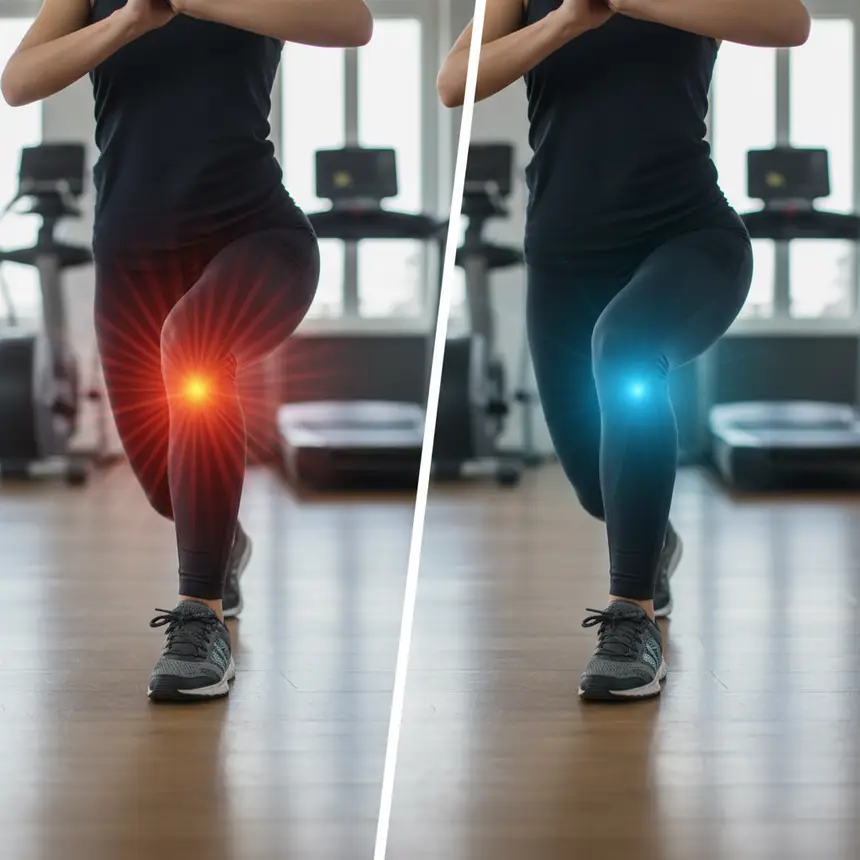
Several key factors often prevent beginner female lifters from fully embracing weight training. First, a lack of a structured workout plan is common. Simply jumping into exercises without a clear strategy can lead to overworking certain muscle groups while neglecting others. For instance, issues like knees caving inward during lower body exercises or unstable balance during single-leg movements can stem from insufficient core stability or specific muscle weaknesses. Second, inadequate nutrition and hydration during workouts are significant. High-intensity training can easily lead to low blood sugar; in such cases, electrolyte beverages are far more beneficial than plain water for sustaining performance and aiding recovery. Lastly, a common problem is a lack of specific goal setting beyond vague targets like 'lose weight'.
※ This post contains affiliate links. I may earn a commission at no extra cost to you.

The Solution: An Effective Weight Training Routine and Nutrition Guide
For beginner women aiming to build strength and a healthy body, a structured workout routine combined with proper dietary management is essential. Here are the core elements needed to kickstart your weight training journey.
1. Foundational Full-Body Strength Routine
Beginners should aim for 2-3 full-body workout sessions per week to develop all major muscle groups evenly. Here’s an example routine to balance upper and lower body stimulation.
2. High-Intensity Cardio and Nutrition Management
After weight training, add 20-40 minutes of high-intensity cardio (e.g., stair climber). For diet, ensure a daily breakfast, balanced macros (carbohydrates, protein, fats) with each meal, and consume electrolyte drinks during workouts to prevent low blood sugar.
This systematic approach will be crucial in moving beyond the beginner stage, enabling you to plan your own routines and execute exercises with correct form, transforming you into a truly capable fitness enthusiast.
1. Foundational Full-Body Strength Routine
Beginners should aim for 2-3 full-body workout sessions per week to develop all major muscle groups evenly. Here’s an example routine to balance upper and lower body stimulation.
- Core Activation and Warm-up:
- Lying Leg Raises: Lie on your back, extend legs straight, lift with core strength, and slowly lower. Perform 2 sets of 20 repetitions.
- Shoulder Taps: From a high plank, tap opposite shoulder with each hand, minimizing torso movement. 3 sets of 20 repetitions.
- Lower Body and Posterior Chain Development:
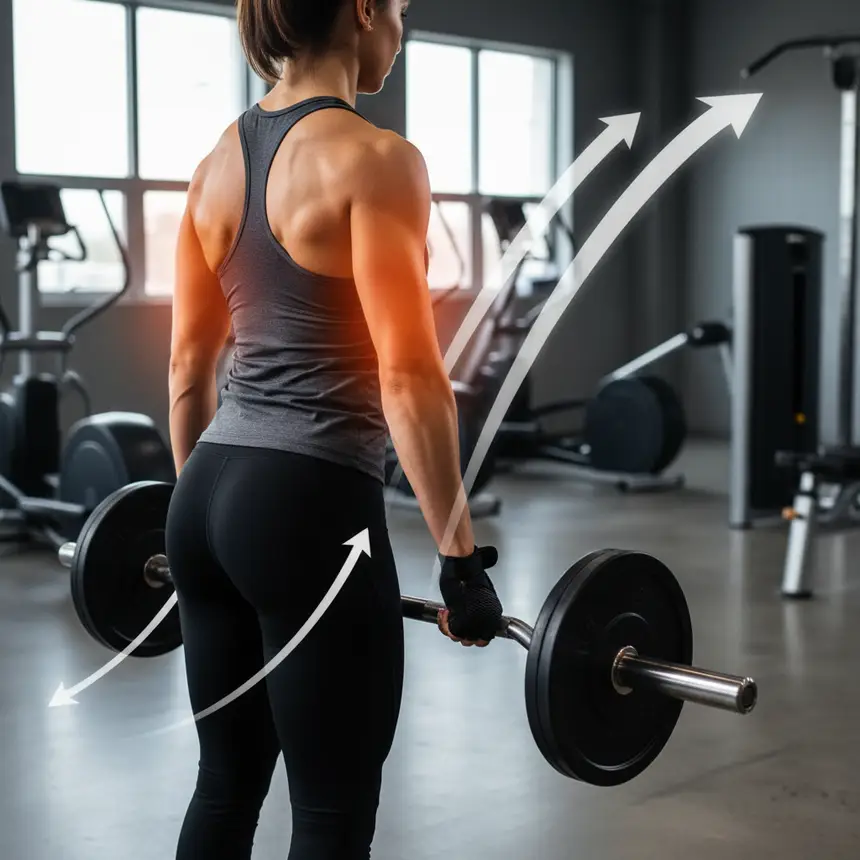
- Deadlifts: Practice form bodyweight first, then use a resistance band around knees. Progress from 1 set of 15 repetitions with 12kg to 3 sets of 12 repetitions with 18kg. Focus on hip movement and foot pressure for form correction.
- Dumbbell Lunges + Overhead Press: Hold 3kg dumbbells in each hand. Perform lunges while simultaneously pressing dumbbells overhead. 3 sets of 20 repetitions per leg. Focus on balance.
- Squats: Aim for 3 sets of 20 repetitions with 6kg. Ensure knees track with toes and press through the entire foot for lower body engagement.
- Upper Body Anterior and Back Muscle Development:
- T-bar Rows: This back exercise benefits from varying speeds. Experiment with faster movements to challenge stability and understand muscle response.
- One-arm Dumbbell Press: Press dumbbells overhead one arm at a time. Perform 3 sets of 15 repetitions with 3kg, then 3 sets of 20 repetitions with 4kg. Focus on improving imbalances and controlling torso movement.
2. High-Intensity Cardio and Nutrition Management
After weight training, add 20-40 minutes of high-intensity cardio (e.g., stair climber). For diet, ensure a daily breakfast, balanced macros (carbohydrates, protein, fats) with each meal, and consume electrolyte drinks during workouts to prevent low blood sugar.
This systematic approach will be crucial in moving beyond the beginner stage, enabling you to plan your own routines and execute exercises with correct form, transforming you into a truly capable fitness enthusiast.

Consistent Practice and Growth: Beyond the Beginner Phase
The most crucial element in weight training is consistency. While it might feel awkward initially, remember that small successes accumulate into significant transformations. Muscle soreness after a workout should be embraced as a positive sign that your body is getting stronger. Like learning to ride a bike, trial and error are natural parts of the fitness journey.
It's vital to listen to your body's signals and allow sufficient rest and recovery. Incorporating short, high-intensity cardio sessions (e.g., a 20-40 minute stair climber workout) on weekends or weekdays can maximize your overall fitness benefits, rapidly elevating heart rate for effective calorie expenditure.
To evolve beyond being a beginner and become a true fitness enthusiast, you need to do more than just follow a routine; you must find what works for you and set new goals. Track your progress—the weights you lifted, the repetitions you completed, and the correct form you achieved. By consistently striving for improvement, you’ll discover the genuine joy of growing stronger day by day.
It's vital to listen to your body's signals and allow sufficient rest and recovery. Incorporating short, high-intensity cardio sessions (e.g., a 20-40 minute stair climber workout) on weekends or weekdays can maximize your overall fitness benefits, rapidly elevating heart rate for effective calorie expenditure.
To evolve beyond being a beginner and become a true fitness enthusiast, you need to do more than just follow a routine; you must find what works for you and set new goals. Track your progress—the weights you lifted, the repetitions you completed, and the correct form you achieved. By consistently striving for improvement, you’ll discover the genuine joy of growing stronger day by day.
Frequently Asked Questions
Q. Is it okay for a complete beginner to start with weight training?
A. Absolutely. After a light cardio warm-up, it's highly recommended to begin with full-body strength training using lighter weights and focusing on correct form. Starting with professional guidance can make the process safer and more effective.
Q. My muscle soreness is really intense; should I continue working out?
A. Mild muscle soreness is a normal part of building muscle. However, if the pain is severe or interferes with daily activities, it's best to rest that specific muscle group or engage in light stretching. You can train other body parts or adjust the intensity to maintain consistency.
Q. I often experience low blood sugar during my workouts. What should I do?
A. Have a light meal containing carbohydrates before your workout. During exercise, consider consuming electrolyte drinks instead of plain water to maintain hydration and electrolyte balance. If symptoms persist, consult a professional to adjust your diet and workout plan.
Q. I'm worried that weight training will make me too bulky. Is that a valid concern for women?
A. Women naturally produce fewer muscle-building hormones compared to men, making it extremely difficult to develop overly large muscles like a bodybuilder. Instead, weight training is highly effective for creating a toned, balanced physique and boosts your metabolism, which aids in weight management.
Q. How can I start creating my own workout routine?
A. Begin by including a balanced selection of exercises targeting major muscle groups: upper body, lower body, and core. As you become more comfortable, gradually introduce new exercises, and adjust sets, repetitions, and weights to tailor the routine to your personal needs. Keeping a workout journal can be incredibly helpful.