Persistent ankle discomfort can worsen if ignored. Discover daily ankle stretching routines and effective care tips to regain healthy, comfortable ankles.

H2. How Are Your Ankles Feeling Today?
Have you ever found your ankles feeling stiff and heavy after a long commute standing on the bus or a full day at your desk? Especially after wearing certain types of shoes, like high heels, it’s common to feel a dull ache or tightness around your ankles in the evening. These minor discomforts are often dismissed as trivial, but over time, they can diminish your daily vitality and significantly impact your overall well-being. Sometimes, ankle stiffness can even make your gait feel unnatural or cause you concern when navigating stairs. Your ankles are the foundation of your body, and even subtle issues in this small area can affect your entire balance. Take a moment to listen to the signals your ankles are sending. They might be indicators of fatigue, or perhaps a warning before more significant discomfort arises.
H2. The Silent Threat of Neglected Ankle Discomfort
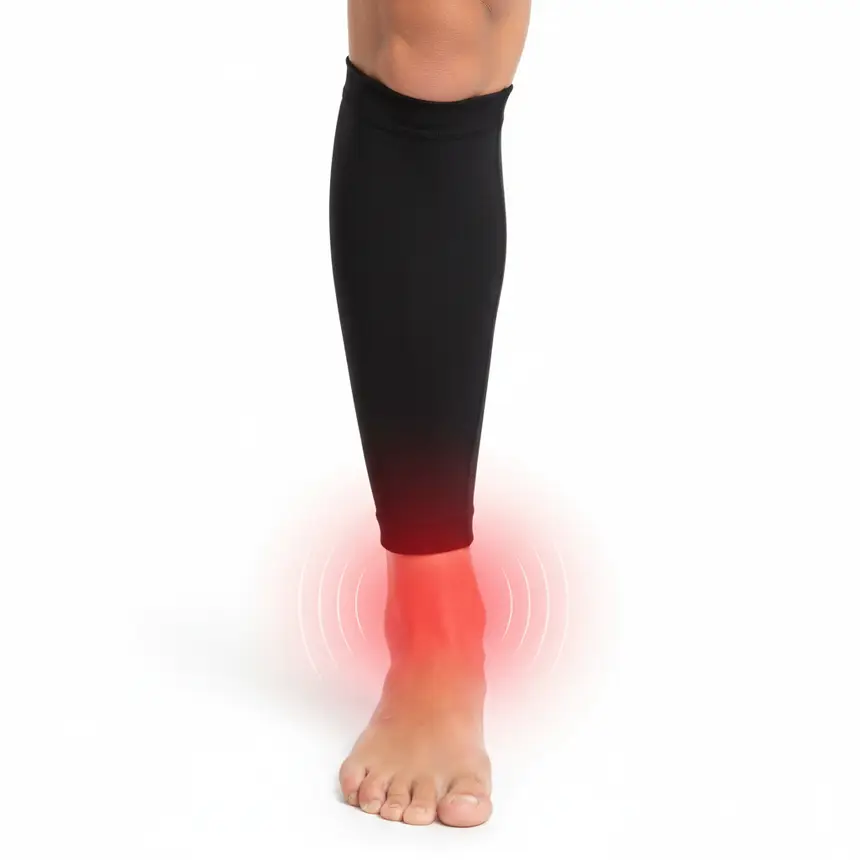
Many of us tend to dismiss intermittent ankle pain or stiffness as a temporary issue. However, discomfort in your ankles is an important signal from your body. Ignoring these signals and continuously putting stress on your ankles can lead to chronic problems. For instance, minor inflammation around the ankle can worsen, or reduced joint flexibility might increase your risk of injury from even minor impacts. As a crucial joint that balances your body and enables movement, the ankle is vulnerable to slight imbalances. If left unaddressed for too long, this can alter your walking pattern, affecting your knees, hips, and even your lower back, potentially causing pain in other areas. Therefore, recognizing and managing early ankle warnings is vital. If you feel discomfort, it’s wise to give your ankles immediate rest or engage in gentle stretching.
※ This post contains affiliate links. I may earn a commission at no extra cost to you.

H2. Key Stretches and Strengthening Exercises for Healthy Ankles
To restore ankle health and prevent discomfort, consistent stretching and strengthening exercises are essential. This routine, requiring just 5-10 minutes a day, helps improve ankle flexibility and stability. It's crucial to perform each movement slowly and within a pain-free range. Focus on consistency rather than overexertion.
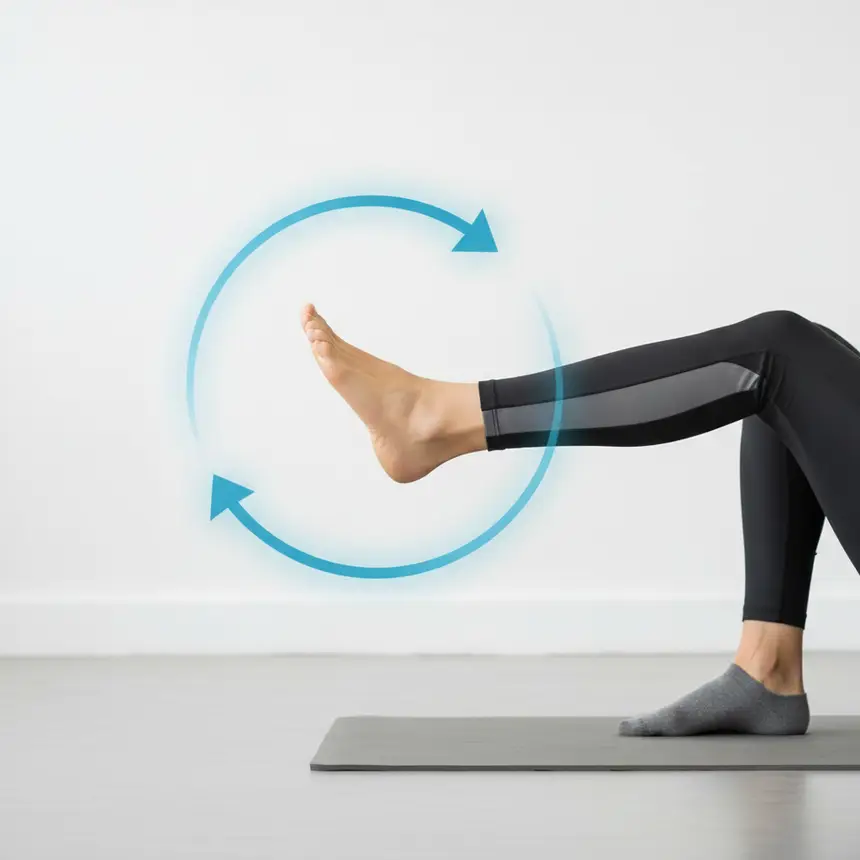
- Ankle Circles: While sitting comfortably, lift one leg and slowly rotate your ankle clockwise 10 times, then counter-clockwise 10 times. Repeat with the other ankle. This helps release tight muscles around the ankle and improves circulation.
- Ankle Dorsiflexion/Plantarflexion: From a seated position, pull your toes as far as possible towards your body to stretch your instep, then point your toes fully to stretch your sole. Repeat each movement 10 times. This is effective for increasing ankle range of motion.
- Achilles Tendon Stretch: Stand facing a wall, placing both hands on it. Step one foot back, keeping the heel on the ground, and bend your front knee until you feel a stretch in your calf and Achilles tendon. Hold for 15-30 seconds, then switch sides. This enhances flexibility.
- Plantar Arch Strengthening Exercise: Sit on a chair and spread a towel on the floor. Use your toes to gradually scrunch and pull the towel towards you. This exercise strengthens the muscles supporting your foot's arch, contributing to ankle stability.

H2. Integrating Ankle Wellness into Your Daily Routine
Ankle health isn't something to manage only at specific times or places. You can make a significant difference by adding small habits into your daily life.
1. Move Your Ankles Frequently: If you sit or stand for extended periods, try to rotate or move your ankles up and down every 30 minutes. These movements can easily be done at your desk, so use your breaks effectively.
2. Choose Appropriate Footwear: It's important to select shoes that provide stable support and good shock absorption. Avoid shoes with excessively high heels or those that are too flat, as they can place undue stress on your ankles.
3. Stretch Before and After Exercise: Always perform ankle warm-up exercises before starting your workout to increase joint flexibility, and follow up with cool-down stretches afterwards to relieve fatigue and prevent injuries.
4. Consider Ankle Support: When engaging in intense sports or activities that put significant strain on your ankles, using an ankle brace can help protect them from external impact. However, it's generally best to use them only when needed to prevent muscle weakening.
These small but consistent practices are key to maintaining healthy ankles. Make it a habit to incorporate a quick ankle stretching routine every morning and evening, and throughout the day, to reduce the strain on your ankles.
1. Move Your Ankles Frequently: If you sit or stand for extended periods, try to rotate or move your ankles up and down every 30 minutes. These movements can easily be done at your desk, so use your breaks effectively.
2. Choose Appropriate Footwear: It's important to select shoes that provide stable support and good shock absorption. Avoid shoes with excessively high heels or those that are too flat, as they can place undue stress on your ankles.
3. Stretch Before and After Exercise: Always perform ankle warm-up exercises before starting your workout to increase joint flexibility, and follow up with cool-down stretches afterwards to relieve fatigue and prevent injuries.
4. Consider Ankle Support: When engaging in intense sports or activities that put significant strain on your ankles, using an ankle brace can help protect them from external impact. However, it's generally best to use them only when needed to prevent muscle weakening.
These small but consistent practices are key to maintaining healthy ankles. Make it a habit to incorporate a quick ankle stretching routine every morning and evening, and throughout the day, to reduce the strain on your ankles.

H2. Your First Step Towards More Comfortable Movement
Your ankles are precious joints that support your body and carry you through countless steps every day. We often overlook their importance until discomfort arises, making us truly appreciate their role. However, by giving your ankles a little more attention and consistent care starting now, you can experience a more vibrant and comfortable daily life. Try to consistently practice the ankle stretches and care tips introduced today. A short investment of 5 or 10 minutes daily will become a solid foundation for healthy steps in the future. Just taking a moment to stretch your ankles before getting out of bed in the morning, or before going to sleep, can make a significant difference. Start today to reduce ankle stiffness and discomfort, and fill your days with free and light footsteps. A wise investment in your body begins now.
Frequently Asked Questions
Q. How often should I stretch my ankles to see results?
A. Aim for 1-2 sessions per day, each lasting about 5-10 minutes. Consistent daily practice helps maintain ankle flexibility and stability.
Q. What if I feel pain while stretching my ankles?
A. If you experience sharp pain or significant discomfort during a stretch, stop immediately. Pushing through pain can be detrimental; it's important to stretch gently within a comfortable range of motion.
Q. What kind of shoes are best for ankle health?
A. Choose shoes that offer good support and shock absorption. Footwear with moderate heels and adequate cushioning is generally better than very high heels or completely flat shoes, as they reduce stress on your ankles.
Q. Is stretching enough if I frequently sprain my ankle?
A. If you often sprain your ankle, stretching alone might not suffice. It's advisable to combine stretching with exercises that strengthen the muscles around your ankle. For persistent instability, consulting a professional for an accurate assessment and a tailored management plan is a wise step.