Struggling to stick with your workouts? Discover realistic methods and motivational strategies to form and maintain a consistent exercise habit. Start your journey to a healthier lifestyle today.

H2. Before You Start Exercising, What's on Your Mind?
Have you ever enthusiastically started a new workout plan, only for it to fizzle out after a few days or weeks? Many people understand the importance of exercise for a healthy life but struggle to form a consistent fitness habit. From busy schedules and sudden fatigue to a simple lack of motivation, countless barriers exist on the path to starting and maintaining a workout routine. But don't worry. This article will help you identify the factors that hinder habit formation and provide realistic strategies for a consistent exercise routine that anyone can implement.

H2. Common Obstacles That Derail Workout Consistency
The muscle soreness that often accompanies the start of a new exercise regimen can quickly become a major deterrent. Thoughts like 'I've done enough' might creep in, making you want to rest. Or perhaps a vague fear of injury as you increase intensity prevents you from progressing. Furthermore, finding dedicated time for exercise in a busy daily schedule is often challenging, leading to postponement or abandonment. Sometimes, changes in physical condition, such as unexpected fatigue or hormonal cycles, can cause an unplanned break from workouts. Understanding these varied obstacles is the first step toward building a consistent exercise habit.
※ This post contains affiliate links. I may earn a commission at no extra cost to you.


H2. Concrete Steps to Build a Lasting Exercise Routine
Integrating exercise into your daily life requires a few strategic approaches.
- Establish a Fixed Workout Time: It's crucial to specify when you'll exercise each day. For instance, if you decide on 7 PM after work, strive to complete other tasks before then, and make it a goal to start your workout as soon as that time arrives. This helps you perceive exercise not as an 'option' but as a 'scheduled event.'
- The Power of Gradual Starts and Repetition: Instead of setting ambitious goals from the outset, begin with a small, manageable routine you can do daily. Consistent repetition of short, simple movements, like 10 burpees and light stretching, is key. Once you're comfortable, you can gradually increase intensity each week. For example, in the second week, you might add more burpees or incorporate light strength training using 3kg dumbbells.
- Vary Your Exercises to Maintain Interest: A monotonous workout can quickly lead to boredom. Mix and match full-body cardio, stair climbing, Pilates, and various stretches (e.g., split stretches) to add variety to your routine. Such diverse exercise methods help reduce fatigue in specific muscles and contribute to overall balance development.
- Focus on Correct Form and Muscle Activation: Maintaining proper form during exercise is essential for maximizing efficiency and preventing injuries. Being aware of how to engage your core or where to feel the activation in specific muscles will lead to far more effective results.
H2. Practical Tips for Boosting Your Workout Adherence
Exercise is like a marathon, not a sprint. Utilize these practical tips to maintain consistency.
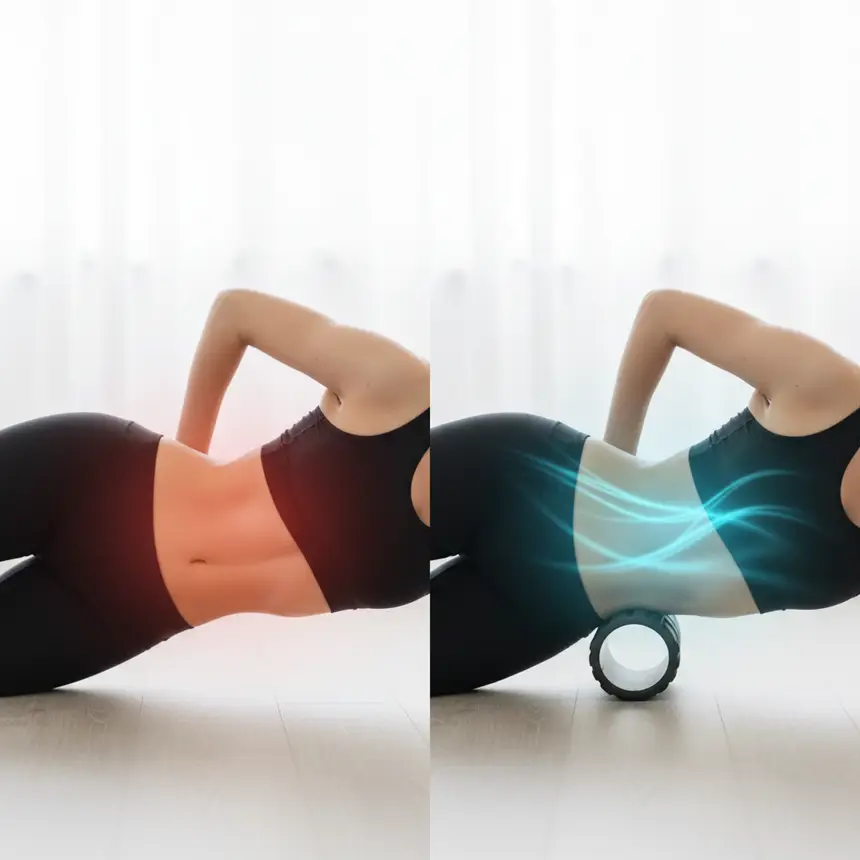
- Listen to Your Body's Cues: Your workout plan should be flexible. If you're not feeling well or are particularly fatigued, it's wise to substitute high-intensity exercise with foam roller stretching or a light walk. Continuing with even minimal movement, rather than stopping completely due to poor condition, greatly aids habit retention. For women, it's especially important to recognize and adjust workout intensity around hormonal cycles, such as before and after ovulation, when energy levels might dip.
- Handle Interruptions Gracefully: Unexpected distractions, like a conversation with family or a quick chore during your workout, can happen. Instead of thinking 'I blew it, I'll do it later,' practice pausing briefly and then returning to your exercise. A flexible mindset makes your workout habit more robust.
- Track Small Successes and Reward Yourself: Recording your daily small achievements is a powerful motivator. For example, if you complete climbing 13 flights of stairs within your target of 2 minutes and 30 seconds, acknowledge that accomplishment and aim for an even better time next. Accumulating these small successes reinforces a positive perception of exercise. The feeling of lightness or refreshment after a workout is also a great reward in itself.

H2. Start Today: The Transformative Power of Consistency
Building an exercise habit is more than just shaping your body; it's a significant investment in improving your quality of life. Initially, simply starting can feel like the biggest hurdle. However, by embracing the simple principle of 'just begin' and consistently applying the strategies outlined above, you'll find that exercise seamlessly integrates into your daily routine. It will become as natural as walking or climbing stairs without a second thought. You'll discover a lighter body, overflowing energy, and a more vibrant mental state. Begin these small changes today to cultivate a sustainable exercise habit and create a healthy, energetic life.
Frequently Asked Questions
Q. I find it really difficult to start exercising. Any advice?
A. The most crucial step is to 'just start.' Begin by setting extremely low goals to reduce pressure. For instance, start with a 5-minute walk or 10 minutes of stretching daily, then gradually increase the duration. Focus on accumulating small successes rather than striving for perfection from day one.
Q. How can I fit workouts into a super busy schedule?
A. Designate a specific time in your day for exercise and block it off in your calendar or planner. Treat this time as you would any important appointment, and develop the habit of adjusting other activities around it. Even short bursts (e.g., 10 minutes during lunch, 20 minutes after work) consistently performed are highly effective.
Q. What's the best way to prevent injuries during exercise?
A. Always include sufficient stretching, warm-up, and cool-down routines before and after your workout. Maintaining proper form during each exercise is also critically important. If necessary, seek guidance from a professional to learn correct techniques. If you feel any pain, stop exercising immediately and rest.
Q. Won't doing the same exercises every day get boring?
A. To avoid boredom, it's beneficial to vary your workout routine. Try combining different types of exercises like cardio, strength training, and flexibility work, or alternate between indoor and outdoor activities. Learning new exercises or working out with a partner can also be great ways to keep things interesting.
Q. Should I still exercise when I'm not feeling my best?
A. When you're not feeling well, it's wiser to rest or opt for lighter activities instead of pushing yourself with intense workouts. For example, choose foam rolling or a short walk instead of a high-impact session. Listening to your body's signals and being flexible with your routine, rather than completely skipping exercise, helps maintain your habit in the long run.