Stop restrictive dieting! Discover how to calculate your personalized calorie needs and manage your diet for healthy, lasting weight loss. Achieve your goals with smart strategies.

H2. The Cycle of Diet Failure: Why Are You Still Struggling?
Many of us embark on weight loss journeys, only to be met with frustration, plateaus, or the dreaded yo-yo effect. The common misconception of "just eat less and move more" often leads to unsustainable practices, nutrient deficiencies, and even a slowed metabolism. This generic approach neglects the unique needs of our bodies, setting us up for failure rather than long-term success. Instead of crash dieting, understanding your calorie calculation for weight loss is the key to a healthier, more sustainable transformation. It's time to swap guesswork for a strategic, informed approach.
H2. Key Factors Hindering Your Healthy Weight Loss Progress
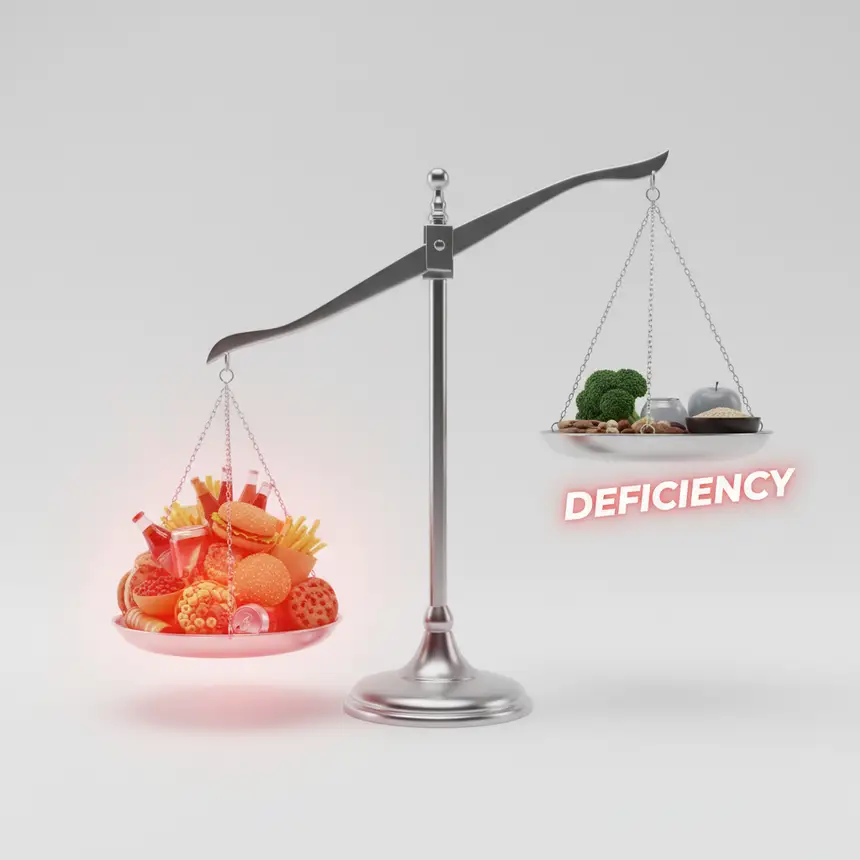
A primary reason many diet attempts falter is the failure to recognize individual energy needs and the crucial balance of nutrients. Everyone's daily calorie requirement varies significantly, influenced by factors like basal metabolic rate, activity level, gender, and age. Ignoring these individual differences by following a one-size-fits-all meal plan, or severely restricting entire food groups, can disrupt your body's natural balance. For instance, insufficient protein intake can lead to muscle loss, lowering your basal metabolism, while extreme fat restriction can cause essential nutrient deficiencies. Furthermore, an intense focus on quick numerical results can lead to impatience, often resulting in side effects like binge eating or nutritional imbalances. Truly healthy weight management isn't about arbitrary numbers; it's about fostering overall well-being and making sustainable choices that support your body long-term.
※ This post contains affiliate links. I may earn a commission at no extra cost to you.

H2. Your Personalized Calorie Strategy for Sustainable Diet Management
Taking control of your weight loss journey begins with accurately determining your individual calorie needs and managing them effectively.
- 1. Estimating Your Daily Calorie Baseline: Consider your physical activity level to gauge your daily energy requirements. Generally, women can estimate their baseline by multiplying their body weight in kilograms by 25, and men by 28. For example, a 75kg man might start with 75kg × 28 = 2100kcal as a rough daily recommended intake. For weight loss, it's common to aim for a calorie deficit of approximately 300-500 kcal below this baseline.
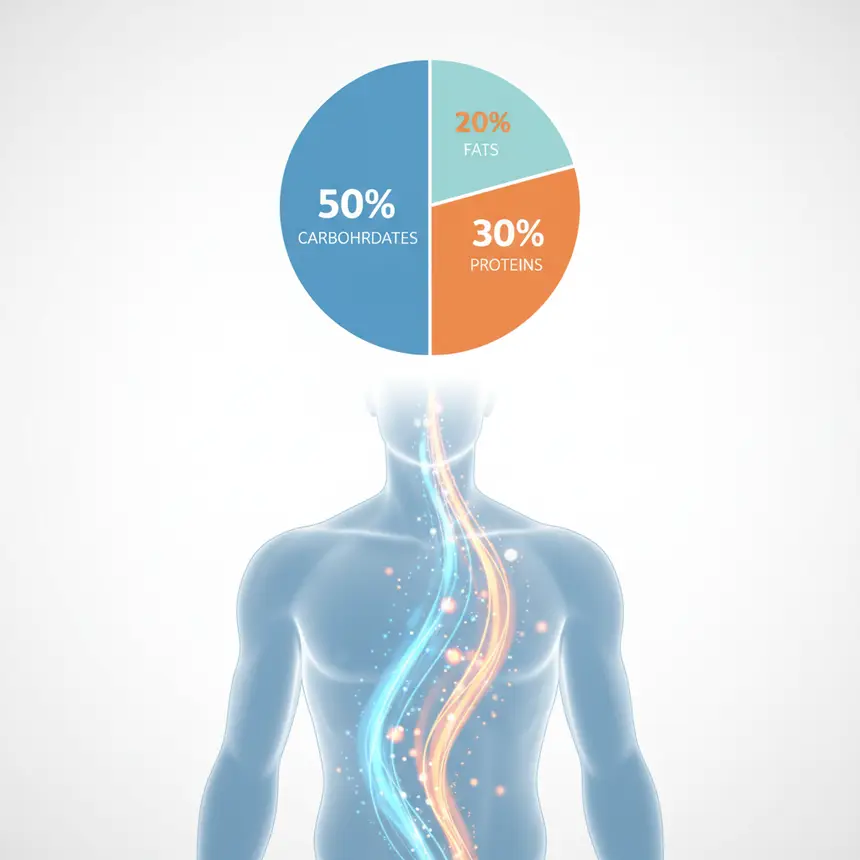
- 2. The Importance of Macronutrient Ratios: The balance of carbohydrates, proteins, and fats is crucial. Remember that carbohydrates and proteins provide roughly 4 calories per gram, while fats provide about 9 calories per gram. Adjusting these ratios helps maintain satiety and ensures you get adequate essential nutrients. For instance, if targeting 1700kcal per day for weight loss, prioritize sufficient protein intake, include healthy fats, and opt for complex carbohydrates like brown rice or whole grains over refined ones. The key is to distribute these macronutrients evenly across your meals for a balanced diet.
- 3. Flexible Weekly Management: Instead of striving for perfect daily adherence, a flexible approach that manages overall calorie intake on a weekly basis is often more sustainable. If you occasionally dine out or enjoy a snack, you can balance it by adjusting your intake on other days within the week. This reduces psychological pressure and helps you build consistent, lasting eating habits.

H2. Consistent Action and Smart Management for Weight Loss Success
While calorie calculations and macronutrient management are powerful tools, consistent implementation is paramount for diet success. Rather than getting discouraged by daily fluctuations on the scale, prioritize 'body checks'—observing changes in your physique in the mirror or through photos—to stay motivated. Notice how your clothes fit better or muscle definition emerges; these are vital indicators that numbers alone don't reveal. A healthy rate of weight loss, typically less than 1 pound (0.5 kg) per week, is crucial for preventing rebound weight gain and achieving sustainable, lasting results. Rapid weight loss is not only detrimental to health but also significantly reduces the long-term success rate. If creating and adhering to such a plan independently feels overwhelming, seeking guidance from a certified fitness or nutrition professional is a smart move. They can tailor an exercise plan and dietary guide to your specific body type and goals, helping you achieve your objectives more systematically. Take your first step toward a healthier you today!
Frequently Asked Questions
Q. Is calculating calories absolutely necessary for weight loss?
A. While not strictly mandatory, calorie counting is a highly effective way to objectively understand your body's energy needs and your actual intake. It greatly assists in setting weight loss goals and managing your diet strategically.
Q. Do I need to hit my calorie target perfectly every single day?
A. Rather than the pressure of perfect daily adherence, a flexible approach focusing on your total weekly calorie intake is more beneficial. If you exceed your target one day, simply adjust your intake on other days to meet your weekly goal. This approach is more sustainable both psychologically and physically.
Q. Besides the scale, how can I track my weight loss progress effectively?
A. Regular 'body checks' (observing changes in the mirror or taking progress photos), changes in clothing size, improvements in energy levels and fitness, and body composition analysis (e.g., DEXA scan) showing changes in body fat percentage and muscle mass can be more meaningful indicators.
Q. Why is rapid weight loss generally not recommended?
A. Rapid weight loss can lead to muscle loss, nutrient deficiencies, and a slowed metabolism, which are detrimental to your health. Furthermore, it significantly increases the likelihood of regaining the lost weight (the yo-yo effect). A steady loss of less than 1 pound (0.5 kg) per week is considered a healthier and more sustainable approach.
Q. What if I find calorie counting too complicated or time-consuming?
A. If calorie calculation feels overwhelming, seeking assistance from a professional (like a registered dietitian or certified trainer) can be very effective. Alternatively, simply keeping a food journal and making rough estimates of your main macronutrient intake can significantly help in improving your eating habits.