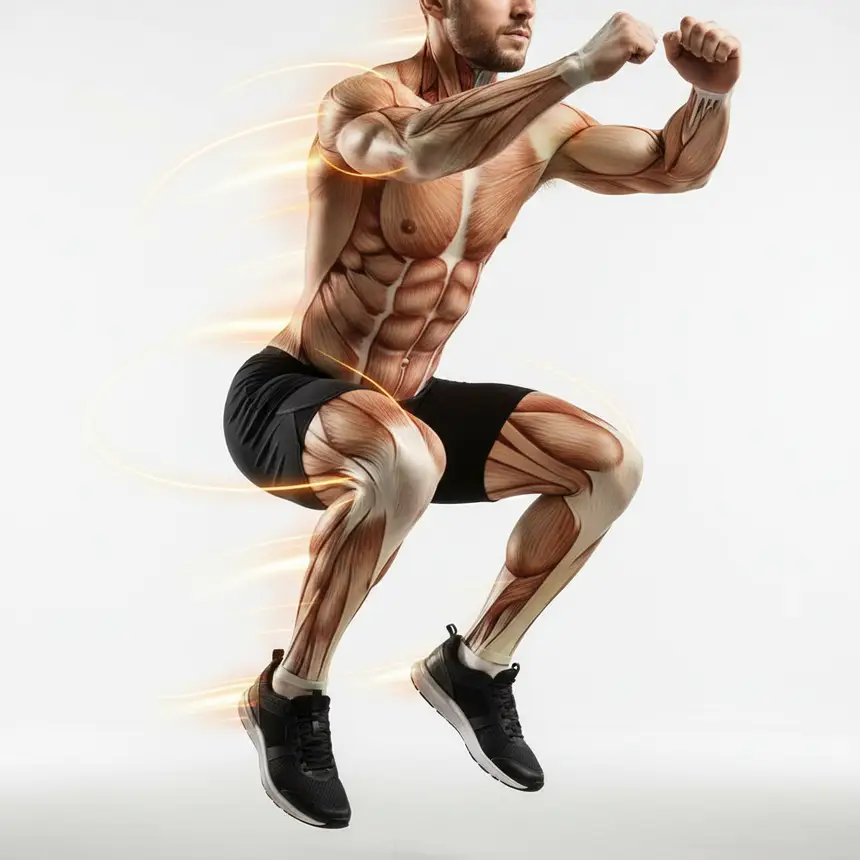
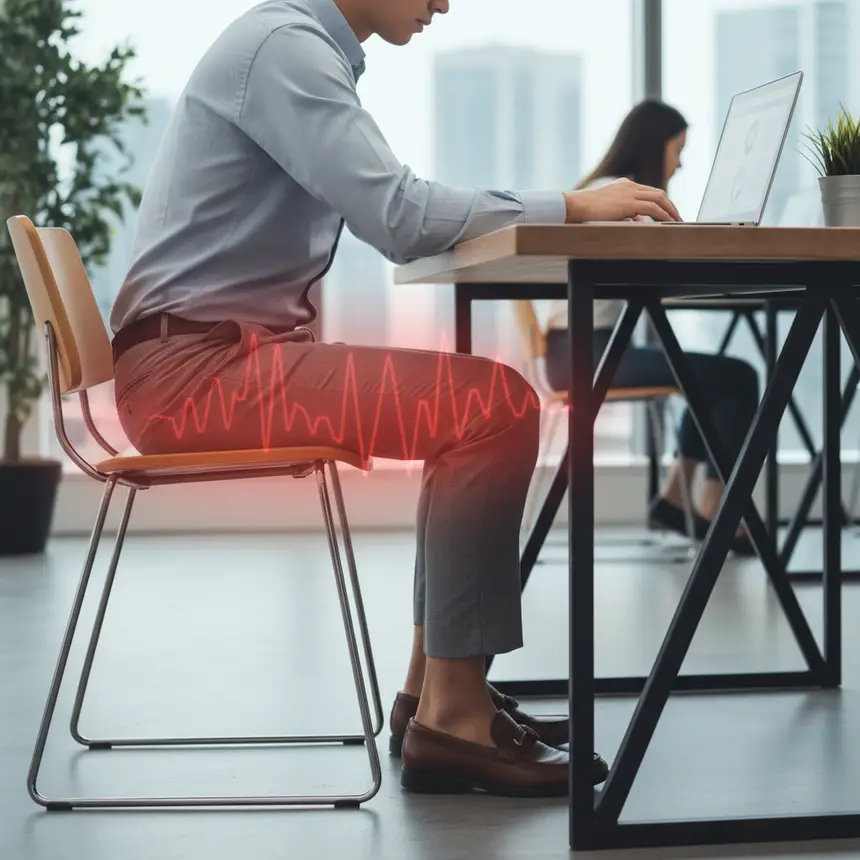
Misaligned posture can lead to discomfort and pain. Discover expert-recommended posture correction exercises and daily habits to build a healthier body.
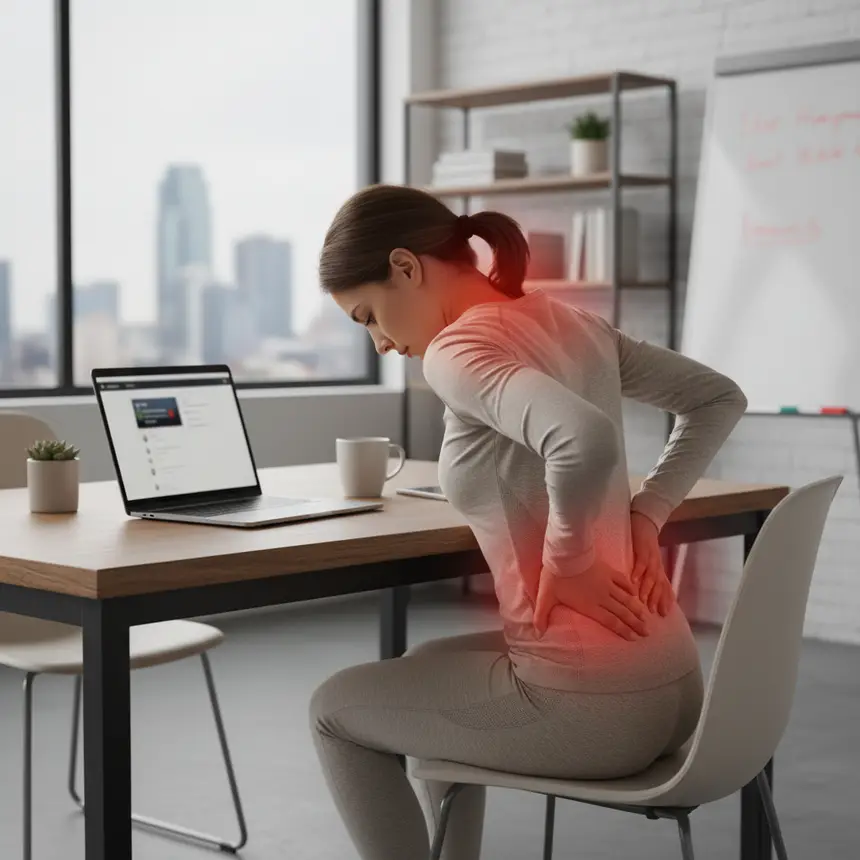
Modern Ailments: The Discomfort of Misaligned Posture in Daily Life
In our tech-driven world, where smartphones and computers dominate our routines, maintaining proper posture has become a genuine challenge for many. You might find your neck and shoulders constantly stiff, your lower back aching, or notice an imbalance in your appearance in the mirror. Rounded shoulders, a forward head posture, or a tilted pelvis aren't just aesthetic concerns; they lead to a cascade of discomforts impacting every aspect of daily life. Beyond chronic pain, poor posture can contribute to persistent fatigue, reduced concentration, and even unexpected issues like digestive problems. This bodily imbalance places continuous strain on muscles and joints, eventually leading to diminished physical function. Are you experiencing any of these common struggles due to poor alignment? Ignoring these signals can drain your vitality and compromise your overall health. It's time to listen to your body and proactively work towards achieving and maintaining proper posture.
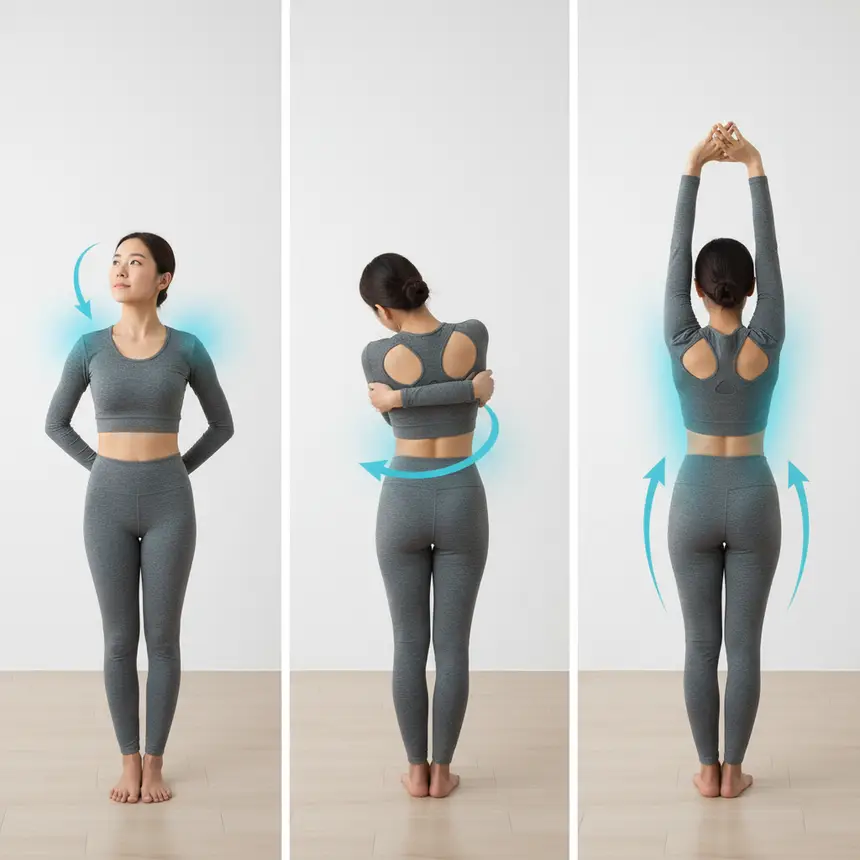
A Balanced Body: Your Posture Correction Exercise Routine
Restoring your body's balance and cultivating healthy posture demands consistent effort through exercise and habit modification. The key is not just to address superficial issues but to identify underlying causes and approach them systematically.
- Start with Muscle Relaxation and Stretching
- The Importance of Core Strengthening and Ankle Stability Training
- Build Healthy Posture Habits into Your Daily Life
※ This post contains affiliate links. I may earn a commission at no extra cost to you.

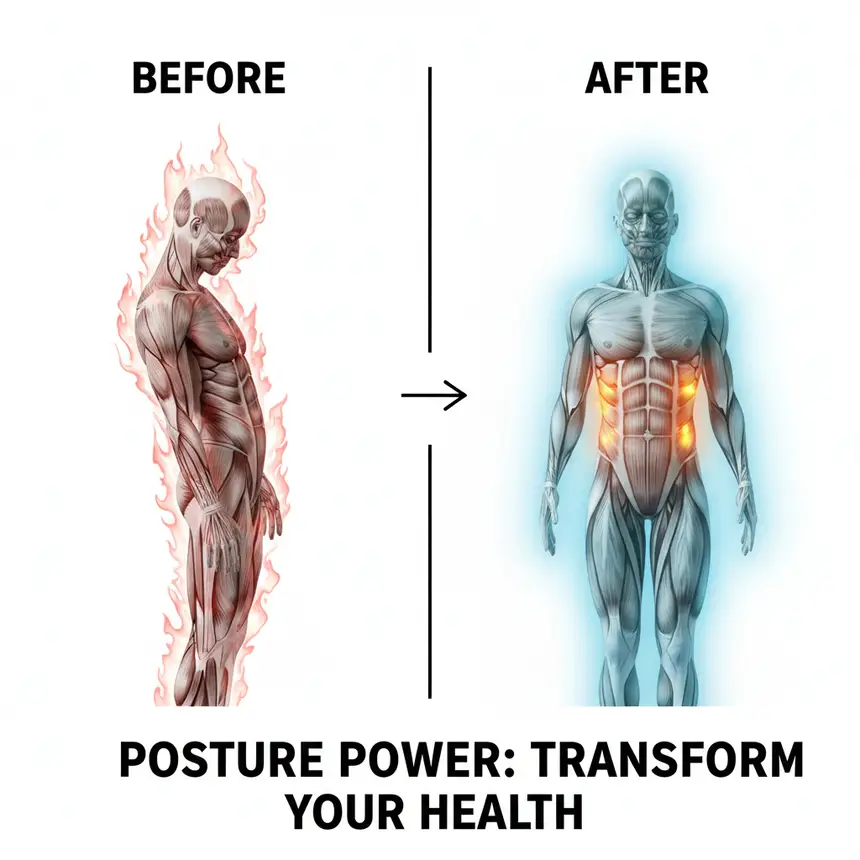
Sustainable Change: Your Guide to Lasting Posture Improvement
Achieving proper posture is not an overnight transformation; it requires persistent effort and dedication. The muscle relaxation, core strengthening exercises, and daily postural habits discussed previously are essential investments in your well-being. Through this commitment, you can alleviate chronic pain and regain a vibrant, energized life. Improved posture not only boosts your physical performance in various activities but also enhances your self-confidence, positively impacting your professional and social interactions.
- The Value of Personalized Guidance from Experts
Frequently Asked Questions
Q. Why is maintaining good posture so crucial for overall health?
A. Good posture minimizes stress on your spine and joints, preventing pain and allowing for efficient body movement. It also reduces energy expenditure, decreasing fatigue, and contributes to a confident appearance and positive mental well-being.
Q. Can I effectively correct my posture on my own, or do I need professional help?
A. Basic stretches and exercises can be done independently, but understanding your specific postural imbalances and creating a tailored plan often requires professional guidance. Incorrect methods could potentially cause more strain or injury.
Q. How frequently should I perform posture correction exercises to see noticeable results?
A. For optimal results, posture correction exercises should be performed consistently every day. Regular practice, even for short durations, is key to building muscle memory and making it a habit. Aim for 20-30 minutes, 3-5 times per week.
Q. What are some of the most beneficial exercises for improving posture?
A. Core strengthening exercises (like planks, bird-dogs), back muscle strengthening (rows, pull-ups), chest stretches, and hip flexor stretches are all beneficial. The most effective exercises, however, are those tailored to your individual imbalances.
Q. Are there any common mistakes or precautions I should be aware of during posture correction?
A. Avoid forcing movements or pushing through pain; stop immediately if discomfort arises. Seeking guidance from a professional is safer. It's also vital to approach posture correction with consistency as a long-term goal, rather than expecting immediate results.