Are you hitting a wall with your weight loss, despite all your efforts? Discover the hidden reasons behind a stubborn weight loss plateau and practical strategies to break through it healthily.

The Frustration of a Weight Loss Plateau: You're Not Alone
You've been diligently watching what you eat and consistently hitting the gym, yet the scale seems to be stuck. Does this sound familiar? Many people experience this frustrating phase where their weight just won't budge, no matter how hard they try. This common challenge, often called a 'weight loss plateau,' can be incredibly discouraging. However, it's crucial to understand that it's rarely a sign of personal failure or lack of willpower. Instead, it's often a complex interplay of your body's clever adaptation mechanisms and various lifestyle factors. Let's delve into the underlying causes of a weight loss plateau and explore intelligent approaches to navigate through this period successfully.
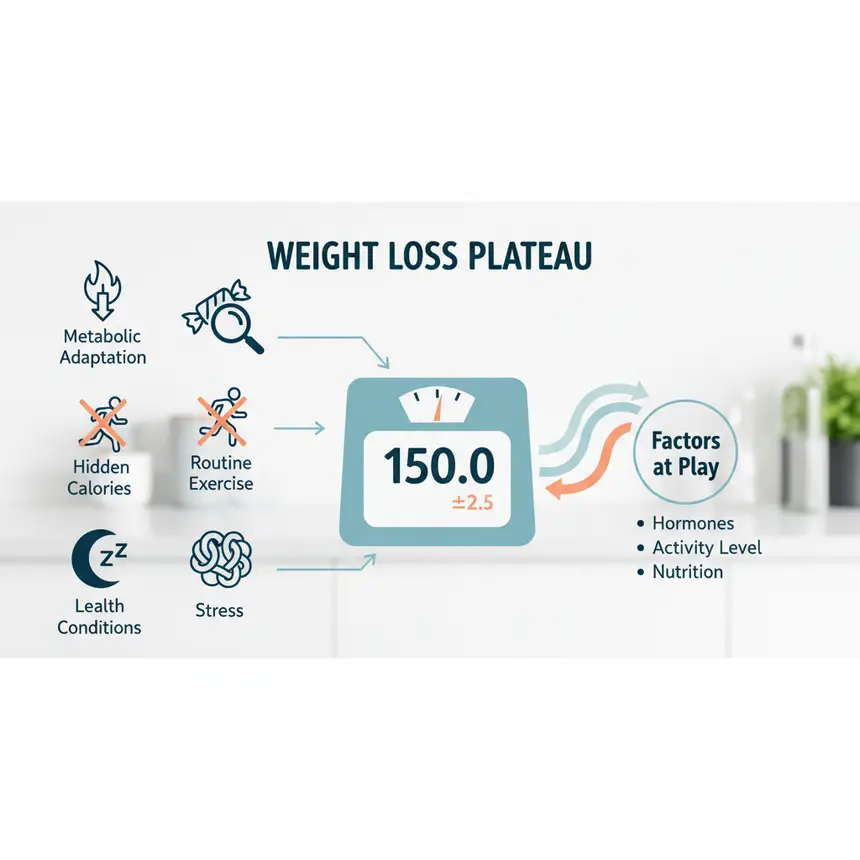
Unexpected Factors Contributing to Your Weight Loss Standstill
A weight loss plateau isn't simply about eating less and moving more; it's a nuanced situation where your body, being incredibly adaptable, adjusts to new routines. Several factors, often overlooked, can contribute to why your weight loss has stalled. Understanding these reasons is the first step toward breaking through the barrier.
- Metabolic Adaptation: As you lose weight, your body naturally reduces its energy expenditure to conserve resources. This means the same diet and exercise routine that initially led to weight loss might no longer be effective because your metabolism has slowed down, adapting to your new, lighter body mass.
- Hidden Calorie Creep: Unseen calories can easily sabotage your efforts. Beverages, sauces, condiments, and small snacks can add up quickly, often pushing your daily intake beyond your target without you realizing it. Sugary drinks and processed foods, in particular, can significantly hinder weight management.
- Exercise Routine Familiarity: Your body becomes more efficient at exercises you perform regularly. If you've been doing the same workout at the same intensity for weeks or months, your body burns fewer calories for the same effort, and progress can slow down.
- Stress and Insufficient Sleep: Chronic stress and inadequate sleep significantly impact hormones that regulate appetite and fat storage. These factors can increase cravings for unhealthy foods and promote fat accumulation.
- Underlying Health Considerations: In some cases, specific health conditions can make weight loss more challenging or slow it down. For instance, individuals managing blood pressure or experiencing certain organ function issues might find their weight loss journey more complicated. Consulting a healthcare professional is crucial if you suspect any underlying concerns.
※ This post contains affiliate links. I may earn a commission at no extra cost to you.

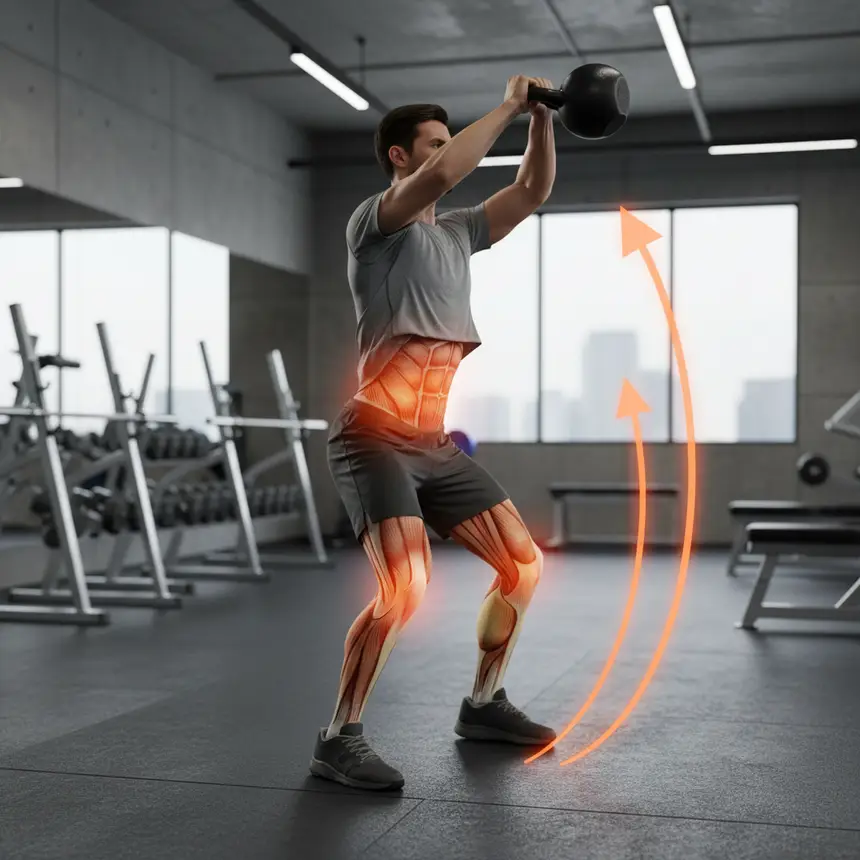
Effective Strategies to Break Through the Plateau
Once you've identified the potential reasons why your weight loss has stalled, it's time to implement targeted solutions. Employ these practical strategies to overcome your weight loss plateau and forge a healthier, stronger body.
- Dietary Reassessment and Nutritional Optimization: Re-calculate your appropriate calorie intake based on your current weight and activity level, strictly eliminating hidden calorie sources like sugary beverages or processed snacks. Increase your intake of lean protein and fiber, which boost satiety and support muscle maintenance and digestion.
- Revamp Your Exercise Routine: Stop doing the same workout every day. Introduce high-intensity interval training (HIIT) or incorporate more strength training sessions to boost your metabolism. Consciously seek opportunities to move more throughout your day, like taking the stairs or walking during lunch, to increase overall daily calorie expenditure (NEAT).
- Cultivate Healthy Lifestyle Habits: Aim for 7-9 hours of quality sleep nightly to ensure crucial hormone balance and appetite regulation. Find effective ways to manage stress, such as meditation or hobbies. Drink at least 2 liters of water daily to support metabolic functions and satiety. However, if you have specific health conditions (e.g., high blood pressure, kidney issues), consult your doctor regarding your optimal fluid intake.
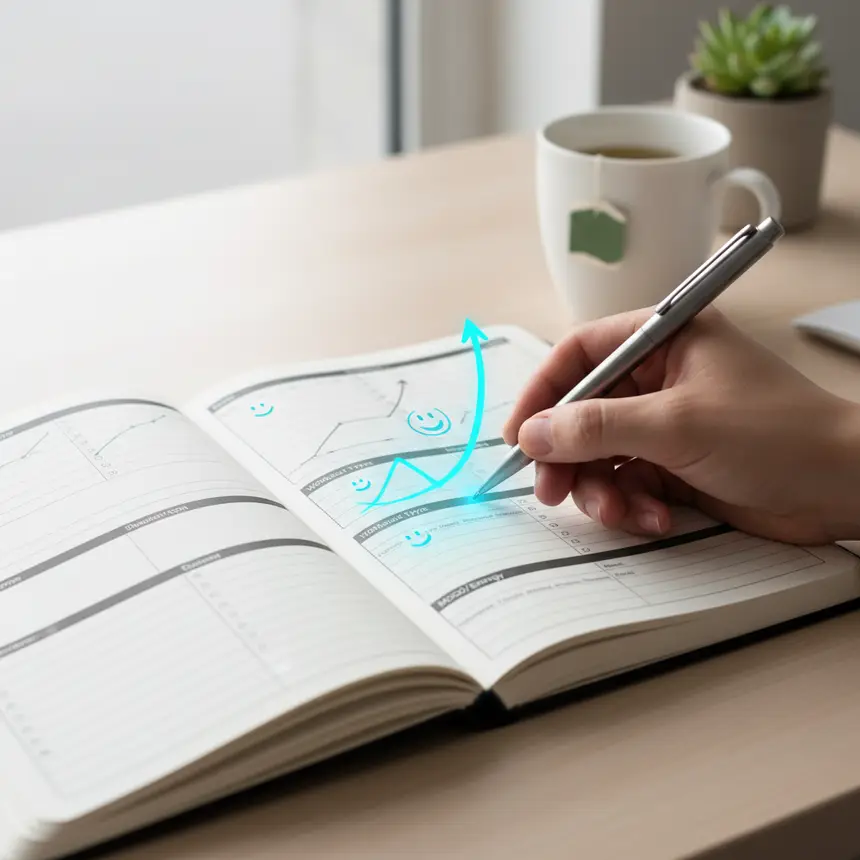
Persistence and Patience: Your Keys to Breaking Through
Overcoming a weight loss plateau fundamentally hinges on persistence and patience. Rather than expecting rapid changes, focus on cultivating healthy habits as a long-term lifestyle. Start by integrating the strategies discussed today into your daily routine, and observe which methods resonate best with your body and lifestyle.
- Track Progress Beyond the Scale: Don't just rely on the number on the scale. Monitor other indicators of progress such as body measurements, how your clothes fit, your energy levels, and your overall mood. Recognizing these broader changes can provide motivation even when the scale seems stuck.
- Maintain a Positive Mindset: Sometimes, a plateau can be a sign that your body needs a brief period of adjustment or recovery. Instead of getting discouraged, maintain a positive attitude and continue your efforts consistently. Self-compassion is as important as discipline.
- Seek Professional Guidance: If you're struggling with persistent plateaus or have underlying health concerns that complicate your weight loss journey, consider consulting with a registered dietitian, certified fitness professional, or other relevant healthcare provider. They can offer personalized advice and help you devise a plan tailored to your unique needs.
Frequently Asked Questions
Q. How long do weight loss plateaus typically last?
A. The duration of a weight loss plateau varies greatly among individuals, but they commonly last from a few weeks to a couple of months. The key is to remain patient, identify potential causes, and consistently maintain healthy habits.
Q. I'm exercising more, but my weight isn't dropping. Why?
A. If your weight isn't decreasing despite increased exercise, it could be due to hidden calories in your diet or an increase in muscle mass. Muscle is denser than fat, so you might be losing fat and gaining muscle, leading to a static or even slightly higher scale weight. Also, consider if increased activity is leading to compensatory eating or overestimation of calories burned.
Q. I feel like I gain weight just by drinking water. Is that possible?
A. Water itself has no calories, so it cannot directly cause weight gain. However, your body might temporarily retain more water, making it feel like you've gained weight. This can occur due to higher sodium intake, hormonal fluctuations, or even starting a new exercise routine. Adequate hydration is generally beneficial for metabolism.
Q. Can specific dietary supplements help me overcome a weight loss plateau?
A. Dietary supplements are intended to complement a healthy diet and exercise routine, not to be a standalone "magic bullet" for breaking a plateau. A balanced diet, consistent exercise, and healthy lifestyle habits remain the most critical factors. Always consult a healthcare professional before taking any supplements, especially if you have existing health conditions or are on other medications.