Discover effective strategies to prevent common sports injuries in dynamic activities. Learn how to protect key joints like knees, ankles, and your lower back for a healthier, more enjoyable fitness journey.

The Hidden Threat of Sports Injuries: Safeguarding Your Active Lifestyle
Engaging in sports and physical activities is a fantastic way to boost your energy, manage stress, and maintain overall well-being. Whether it's a brisk game after work or an adventurous outdoor pursuit on the weekend, exercise often becomes a cherished part of our daily routine. However, when we get too engrossed in the thrill, we can unexpectedly face sports injuries that force us to the sidelines. What might start as a minor ache or a fleeting twinge can, if ignored and pushed further, escalate into chronic pain or a more severe physical issue. Dynamic activities, especially those involving rapid directional changes, vigorous jumps, and repetitive motions, frequently place excessive stress on specific body parts. These sports injuries don't just bring discomfort; they can strip away the joy of your workouts, disrupt your daily life, and demand significant time and effort for recovery. Let's delve into practical strategies to exercise safely, protect your joints, and effectively prevent injuries. Equip yourself with essential knowledge to enjoy the lifelong pleasure of physical activity with a healthy body.
Understanding Injury Causes and Targeted Prevention Strategies
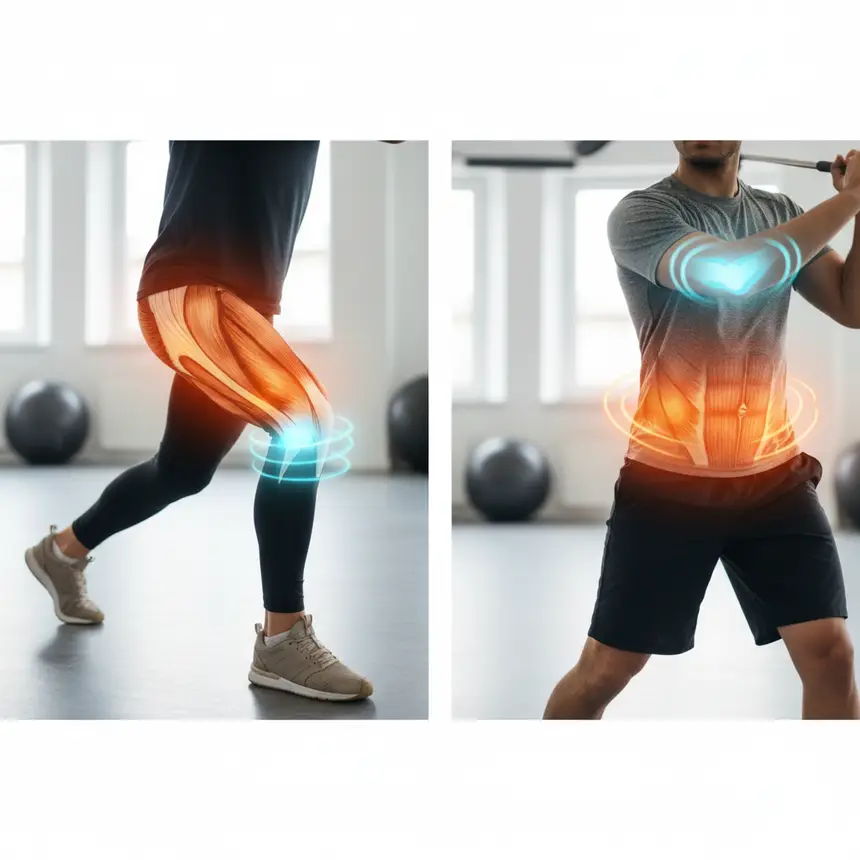
Sports injuries typically stem from a combination of factors: inadequate preparation, improper form, overuse, and external impacts. Our bodies are particularly vulnerable to abrupt movements, making it crucial to understand the unique characteristics of each body part and implement appropriate preventive measures. Here are practical tips for preventing injuries in key areas.
Prevention Tip: Consistently perform lower body strength and balance exercises like squats, lunges, and single-leg stands to fortify the muscles supporting these joints. When active, wearing appropriate knee or ankle support can help stabilize the joint and distribute impact, reducing injury risk. Cultivating the habit of slightly bending your knees upon landing is also vital for shock absorption.
Prevention Tip: Before your workout, sufficiently warm up your muscles with dynamic stretches and light cardio to improve blood circulation. Regular stretching to enhance flexibility and balanced strength training for your lower body muscles are essential. Compression sleeves can also aid in reducing muscle fatigue and promoting recovery during prolonged activities.
Prevention Tip: Master the correct form and technique for each sport to minimize unnecessary stress on specific areas. Stabilize your elbows by strengthening your wrists, forearms, and rotator cuff muscles. Bolster your lower back with core exercises like planks. If necessary, wearing an elbow brace or lower back support can provide stability and limit excessive movement.
- Knee and Ankle Joint Protection: Strengthening Lower Body Stability
Prevention Tip: Consistently perform lower body strength and balance exercises like squats, lunges, and single-leg stands to fortify the muscles supporting these joints. When active, wearing appropriate knee or ankle support can help stabilize the joint and distribute impact, reducing injury risk. Cultivating the habit of slightly bending your knees upon landing is also vital for shock absorption.
- Calf and Hamstring Muscle Management: Enhancing Flexibility and Endurance
Prevention Tip: Before your workout, sufficiently warm up your muscles with dynamic stretches and light cardio to improve blood circulation. Regular stretching to enhance flexibility and balanced strength training for your lower body muscles are essential. Compression sleeves can also aid in reducing muscle fatigue and promoting recovery during prolonged activities.
- Elbow and Lower Back Pain Prevention: Balancing Upper Body and Core
Prevention Tip: Master the correct form and technique for each sport to minimize unnecessary stress on specific areas. Stabilize your elbows by strengthening your wrists, forearms, and rotator cuff muscles. Bolster your lower back with core exercises like planks. If necessary, wearing an elbow brace or lower back support can provide stability and limit excessive movement.
※ This post contains affiliate links. I may earn a commission at no extra cost to you.

Cultivating Healthy Exercise Habits for Injury-Free Sports
Effectively preventing sports injuries goes beyond simply donning specific protective gear; it demands an overall improvement in your workout habits and a keen ear for your body's signals. Here's a summary of crucial practices and precautions for enjoying an injury-free athletic life for years to come.
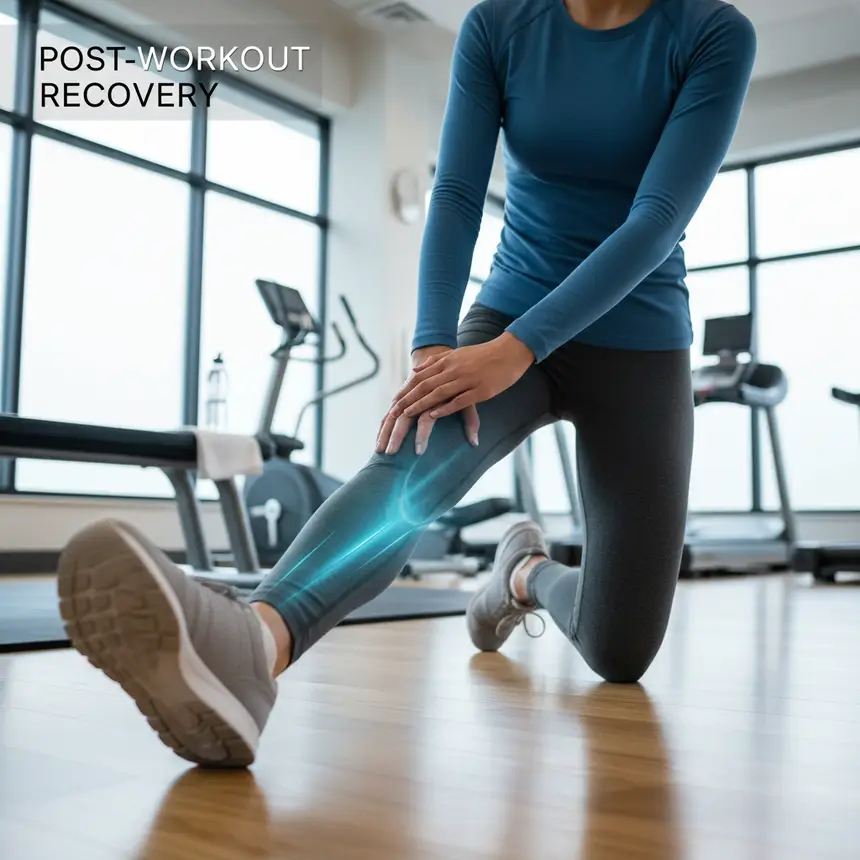
After your workout, spend at least 10 minutes on static stretching. This gently releases tension in exercised muscles and helps maintain flexibility, aiding in muscle soreness reduction.
It's crucial to learn the precise fundamental postures and techniques for each sport. Seeking guidance from a professional can be highly beneficial, as incorrect form often places unnecessary stress on specific areas, leading to potential injuries.
A balanced intake of protein, carbohydrates, and vitamins is vital for muscle repair and energy supply.
If you experience any unusual pain or discomfort during or after your workout, stop immediately and rest the affected area. Ignoring pain can worsen the condition. If pain persists or intensifies, consulting a healthcare professional for an accurate diagnosis and appropriate advice is the wise course of action.
Safety is the paramount prerequisite for sustaining the joy of sports over the long term. By consistently implementing these preventive strategies, you can confidently embrace a vibrant, active sports life without the constant worry of injuries.
- Structured Warm-up and Cool-down
After your workout, spend at least 10 minutes on static stretching. This gently releases tension in exercised muscles and helps maintain flexibility, aiding in muscle soreness reduction.
- Gradual Progression and Proper Form
It's crucial to learn the precise fundamental postures and techniques for each sport. Seeking guidance from a professional can be highly beneficial, as incorrect form often places unnecessary stress on specific areas, leading to potential injuries.
- Sufficient Rest, Nutrition, and Pain Response
A balanced intake of protein, carbohydrates, and vitamins is vital for muscle repair and energy supply.
If you experience any unusual pain or discomfort during or after your workout, stop immediately and rest the affected area. Ignoring pain can worsen the condition. If pain persists or intensifies, consulting a healthcare professional for an accurate diagnosis and appropriate advice is the wise course of action.
Safety is the paramount prerequisite for sustaining the joy of sports over the long term. By consistently implementing these preventive strategies, you can confidently embrace a vibrant, active sports life without the constant worry of injuries.
Frequently Asked Questions
Q. What kind of stretches should I do before and after sports?
A. Before exercising, dynamic stretches like arm circles and leg swings are great for warming up your body and increasing joint mobility. After your workout, static stretches, where you hold a stretch for an extended period, are effective for relaxing tense muscles and maintaining flexibility.
Q. What should I do if I feel pain in a specific area during exercise?
A. Stop exercising immediately and rest the affected area. For minor pain, you can try applying ice and gentle stretching within comfortable limits. If the pain persists or worsens, it's crucial to seek professional help to identify the exact cause and receive proper guidance.
Q. Do protective gears genuinely help in preventing injuries?
A. Yes, protective gears can provide support to specific joints or muscle groups and absorb impact, thereby reducing the risk of injury. They are particularly beneficial if you have a history of injury or if a body part is vulnerable due to a specific sport. However, relying solely on protective gear without proper exercise habits is not advisable; they should complement a sensible fitness routine.
Q. What types of exercises are good for joint health?
A. Exercises that strengthen surrounding muscles without putting excessive strain on the joints are ideal. Low-impact cardio like swimming, walking, and cycling can improve cardiovascular fitness while being gentle on your joints. When strength training, it's important to use proper form and gradually increase weight to build strong muscles that support your joints.
Q. Should I continue exercising if I have chronic pain?
A. Chronic pain is an important signal from your body. Continuing to exercise despite pain can worsen your condition and lead to more serious injuries. It's crucial to either modify your exercise intensity, take a complete rest, or consult a healthcare professional to address the root cause of the pain before safely resuming your activities.