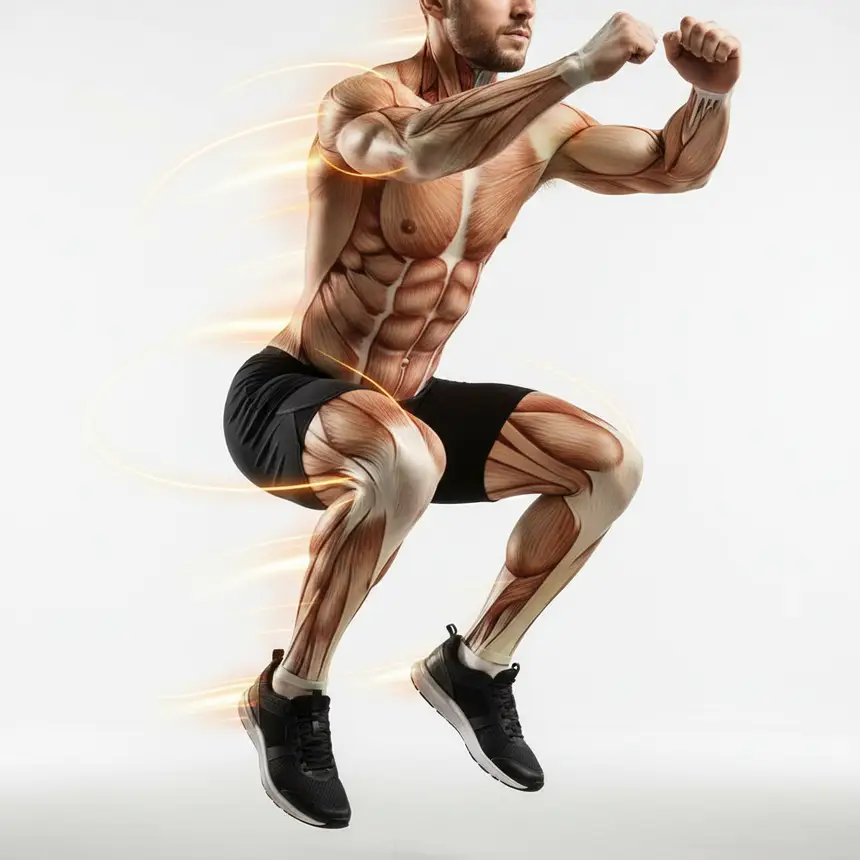
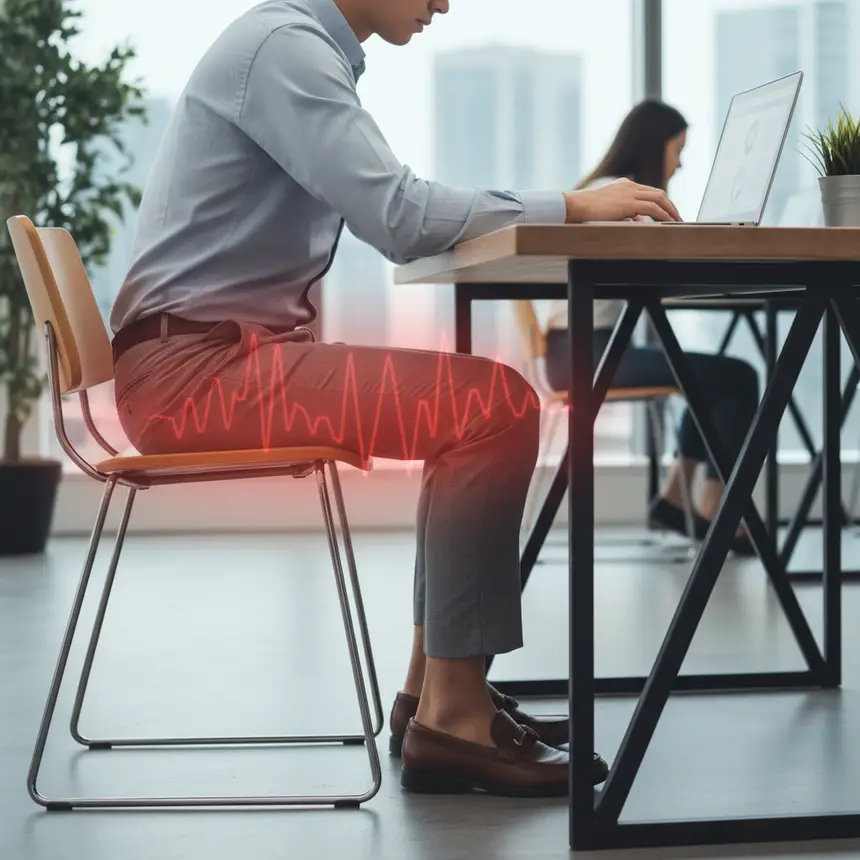
Discover effective chair workouts designed for desk-bound professionals to combat stiffness and boost energy. Learn how to strengthen your lower body, activate your upper body, and improve circulation with simple, time-efficient exercises right at your desk.

Recharge Your Body and Mind with Quick Seated Exercises
For many `desk-bound professionals`, spending long hours seated can lead to stiffness, fatigue, and a general feeling of sluggishness. After a demanding day, finding the motivation to hit the gym often feels like an uphill battle. This is where `seated exercises` can be a game-changer. These convenient `chair workouts` offer a practical solution, allowing you to incorporate physical activity into your busy workday without needing special equipment or extensive time. Just a few minutes of `micro-workouts` can help activate your muscles, improve blood circulation, and alleviate discomfort caused by prolonged sitting. Beyond the physical benefits, regular `office fitness` can also sharpen your focus and boost overall productivity throughout the day.
Full-Body Activation with Simple Desk Chair Routines
Let's explore specific `chair exercises` that target various muscle groups, helping you stay active and energized throughout your workday. These `seated exercises` are designed for easy integration into any `office fitness` routine.
Boost Lower Body Strength - Wall Sit and Chair Squats
Seated Leg Stretches and Circulation Boosters
Upper Body and Core Engagement with Chair Arm Exercises
Boost Lower Body Strength - Wall Sit and Chair Squats
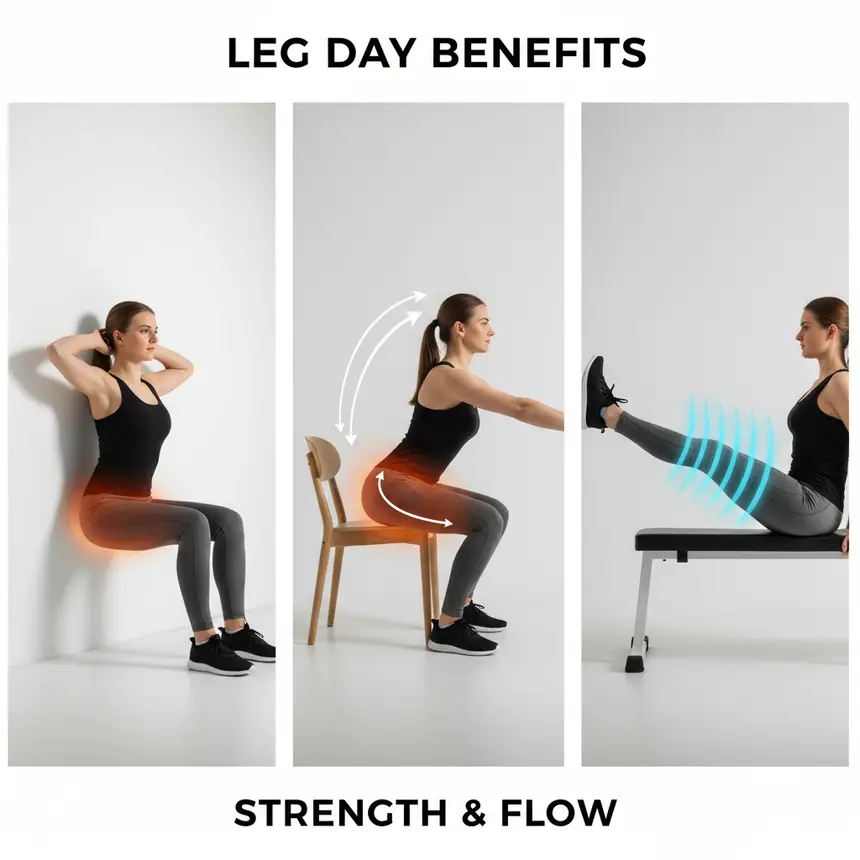
- Wall Sit: Lean your back against a wall and slide down until your knees form a 90-degree angle, as if sitting on an invisible chair. Holding this position effectively engages your quadriceps and glutes, while also strengthening your core and improving your endurance. Even short durations can significantly enhance `lower body strength` and stability.
- Chair Squats: Stand in front of your chair and slowly lower your hips as if to sit, stopping just before your glutes touch the seat. Then, push back up to the starting position. This modification reduces strain on your knees while effectively activating your glutes and hamstrings. It's particularly beneficial for waking up dormant `lower body muscles` after prolonged sitting.
Seated Leg Stretches and Circulation Boosters
- Seated Leg Lifts: Sit upright in your chair and extend one leg straight out in front of you, lifting it off the floor. Slowly raise and lower your leg, focusing on engaging your thigh muscles. This movement helps stimulate blood flow, which can contribute to reducing `leg swelling` and promoting better `circulation`.
- Ankle Pumps: While seated, alternately flex and point your feet to contract and relax your calf muscles. This simple exercise helps push blood back towards the heart, reducing fatigue in your legs and contributing to a lighter, more refreshed feeling.
Upper Body and Core Engagement with Chair Arm Exercises
- Modified Chair Dips: Sit at the edge of your chair, place your hands on the front corners of the seat, and slide your hips off the chair. Slowly bend your elbows to lower your body, then push back up using your arm strength. This exercise effectively targets your triceps and helps stabilize your shoulders, contributing to `upper body activation`. If you often feel stiffness in your shoulders and arms, try incorporating this `micro-workout` into your day.
※ This post contains affiliate links. I may earn a commission at no extra cost to you.

Integrating Exercise into Your Busy Schedule
While these `seated exercises` are effective even in short bursts, consistency is paramount. Here are some actionable strategies to make `office fitness` a sustainable habit for `desk-bound professionals`:
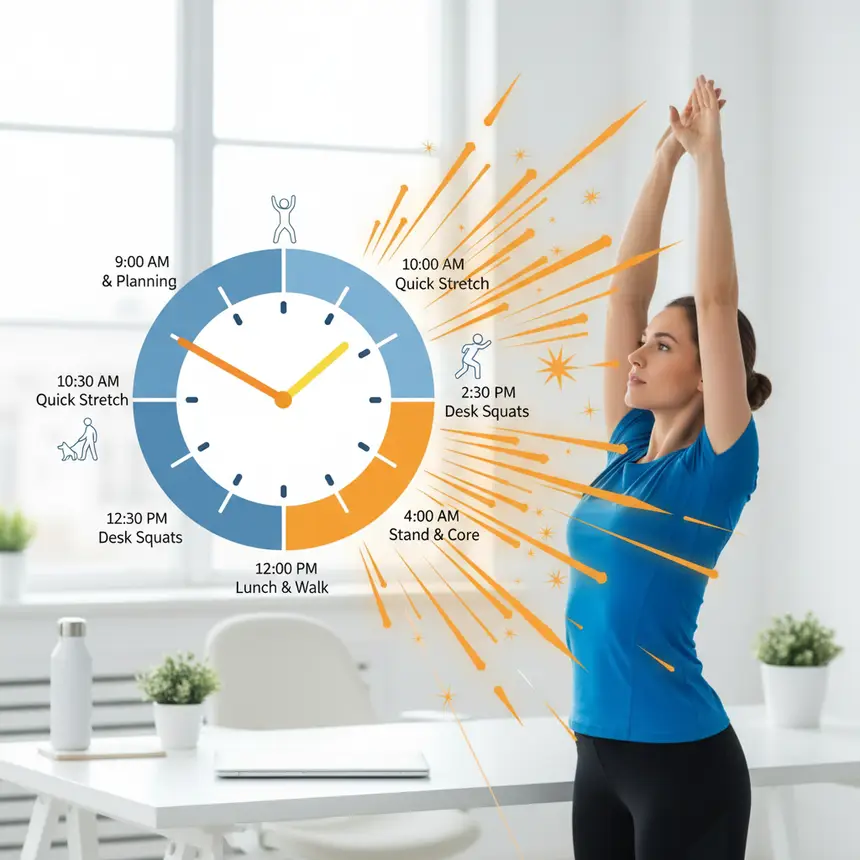
1. Set Regular Reminders: Use your smartphone or computer to set alarms every 1-2 hours. When the reminder goes off, take a 5-minute break to perform 2-3 of the exercises described above. Practicing this 2-3 times a day can lead to noticeable improvements in your physical well-being.
2. Simplify Your Routine: Instead of trying to master all exercises at once, start with the ones that feel most comfortable or beneficial. Gradually add more exercises as you become accustomed to the routine. For instance, create a simple routine of performing 3 exercises, each for 10 repetitions or 30 seconds.
3. Partner Up with Coworkers: Engaging in `chair workouts` with colleagues can provide motivation and accountability, making it easier to stick with your routine. Short, shared `micro-workouts` can not only boost your energy but also foster a healthy and active `office environment`.
1. Set Regular Reminders: Use your smartphone or computer to set alarms every 1-2 hours. When the reminder goes off, take a 5-minute break to perform 2-3 of the exercises described above. Practicing this 2-3 times a day can lead to noticeable improvements in your physical well-being.
2. Simplify Your Routine: Instead of trying to master all exercises at once, start with the ones that feel most comfortable or beneficial. Gradually add more exercises as you become accustomed to the routine. For instance, create a simple routine of performing 3 exercises, each for 10 repetitions or 30 seconds.
3. Partner Up with Coworkers: Engaging in `chair workouts` with colleagues can provide motivation and accountability, making it easier to stick with your routine. Short, shared `micro-workouts` can not only boost your energy but also foster a healthy and active `office environment`.
Guidelines for Safe and Effective Chair Workouts
`Seated exercises` are highly accessible, but it's important to keep a few `precautions` in mind to ensure they are both safe and effective.
Important Considerations During Exercise
Who Can Benefit Most?
`Seated exercises` are particularly beneficial for:
Important Considerations During Exercise
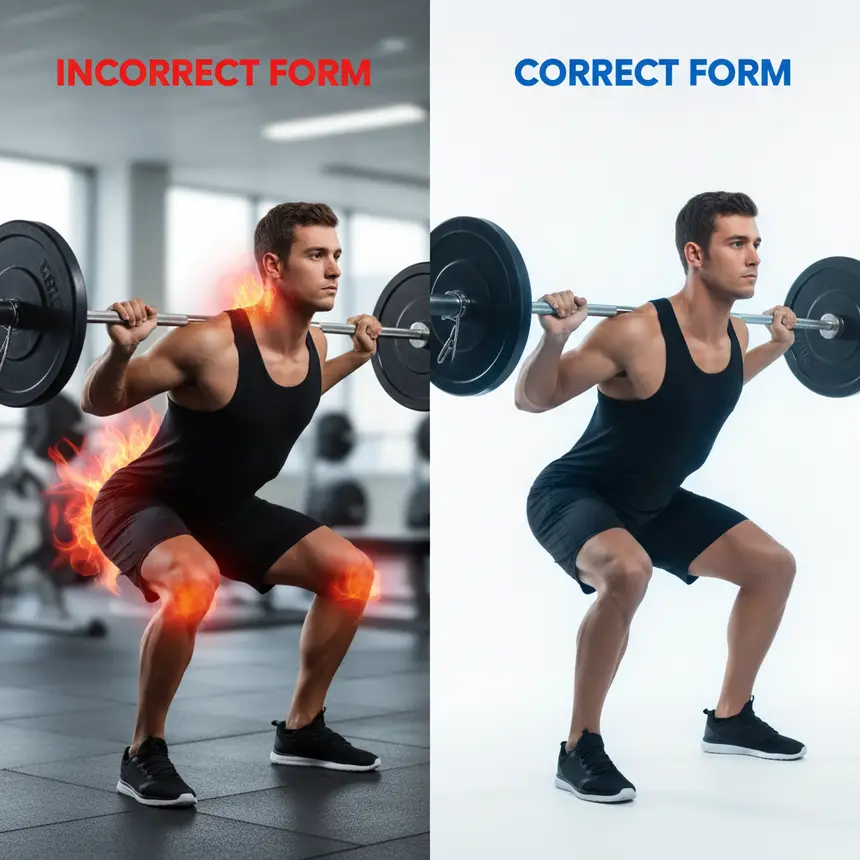
- Focus on Proper Form: Always concentrate on maintaining correct posture for each exercise. Incorrect form can lead to strain or injury, so it's a good idea to check your posture in a mirror or ask a colleague for a quick form check.
- Avoid Pain: If you experience any pain during an exercise, stop immediately and rest. If you have discomfort in your knees or lower back, reduce the intensity or opt for an alternative movement.
- Gradual Progression: Begin with shorter durations and lower intensity, allowing your body to adapt. Gradually increase the exercise time or number of repetitions as your strength improves.
- Stay Hydrated: Drinking plenty of water before, during, and after your `office workout` supports your metabolism and aids in recovery.
Who Can Benefit Most?
`Seated exercises` are particularly beneficial for:
- `Desk-bound professionals` and students who spend long hours sitting.
- Individuals with limited time who are looking for convenient `office fitness` options.
- Beginners or those seeking `lower body strength` exercises with minimal joint impact.
- Anyone struggling with `leg swelling` and `fatigue` due to prolonged inactivity.
Frequently Asked Questions
Q. Are seated exercises truly effective for overall fitness?
A. A. Yes, `seated exercises` can be quite effective. Consistent `micro-workouts`, even for short durations, can lead to muscle activation, improved `circulation`, and better `posture`. They are especially beneficial for `desk-bound professionals` to counteract the effects of prolonged inactivity.
Q. Which specific chair exercises are most beneficial for office workers?
A. For `office workers`, exercises that focus on `lower body strength` and `circulation` are highly recommended. Wall sits and `chair squats` help strengthen the lower body, while leg lifts and ankle pumps contribute to reducing `leg swelling` and fatigue by improving blood flow.
Q. How often should I incorporate these mini-workouts into my day?
A. It's recommended to perform `micro-workouts` 2-3 times a day, for 5-10 minutes each session. The key is consistency and repetition, rather than long, infrequent workouts. Regular `office fitness` breaks can accumulate to significant positive changes in your physical well-being.
Q. Can chair exercises help with leg swelling common in desk jobs?
A. Yes, `chair exercises` can definitely help with `leg swelling`. Movements like seated leg lifts and ankle pumps actively promote `blood circulation` in the lower body, helping to return stagnant fluids to the heart and reduce `swelling` and discomfort often experienced by those with desk jobs.