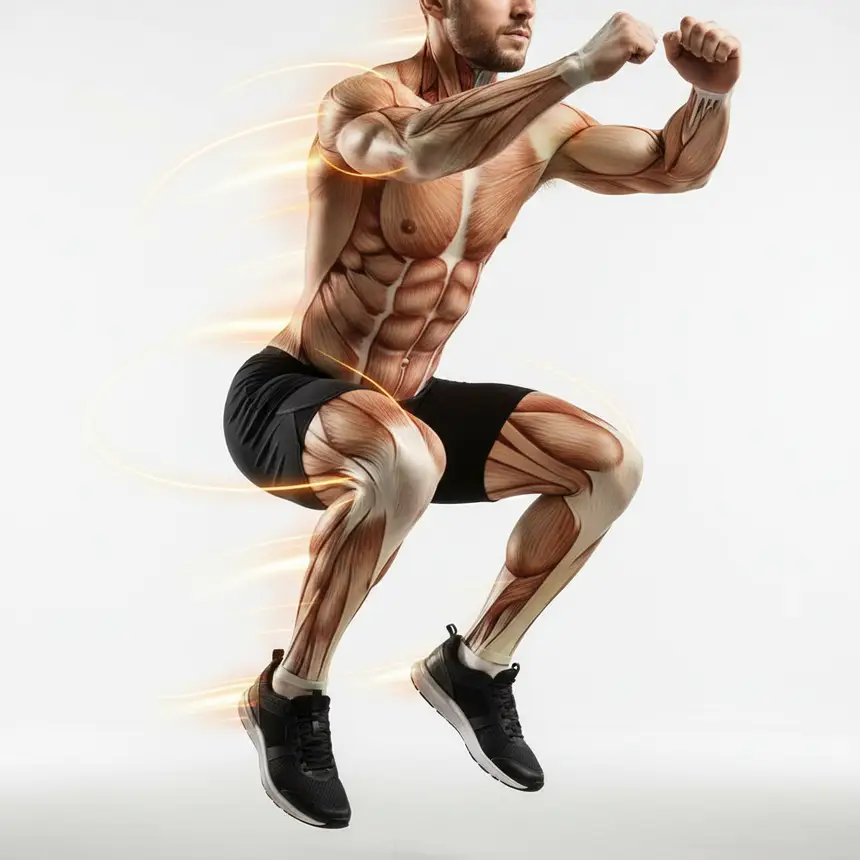
Struggling with rounded shoulders and poor posture? Discover how personalized PT and targeted exercises can help you correct imbalances and achieve a healthier physique.

Modern Ailments: The Scourge of Rounded Shoulders and Poor Posture
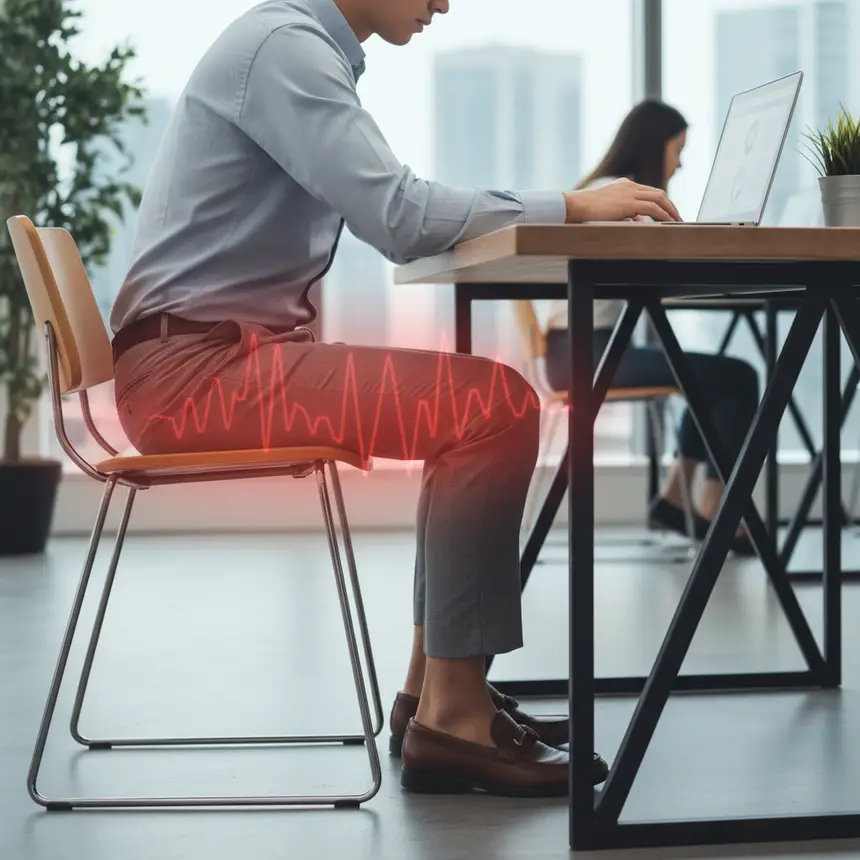
In our tech-driven world, spending hours hunched over computers or glued to smartphones has become the norm. This lifestyle often leads to a common discomfort: rounded shoulders and poor posture. If you've ever felt a persistent ache in your neck or a stiffness between your shoulder blades, you're likely experiencing the effects of these habits. Beyond the physical discomfort, a visibly slouched posture can affect your confidence and how your clothes fit. Left unaddressed, rounded shoulders aren't just an aesthetic concern; they can escalate into chronic pain and even compromise spinal health, making it crucial to understand and correct these imbalances.
Why Your Workout Might Be Making Things Worse, Not Better
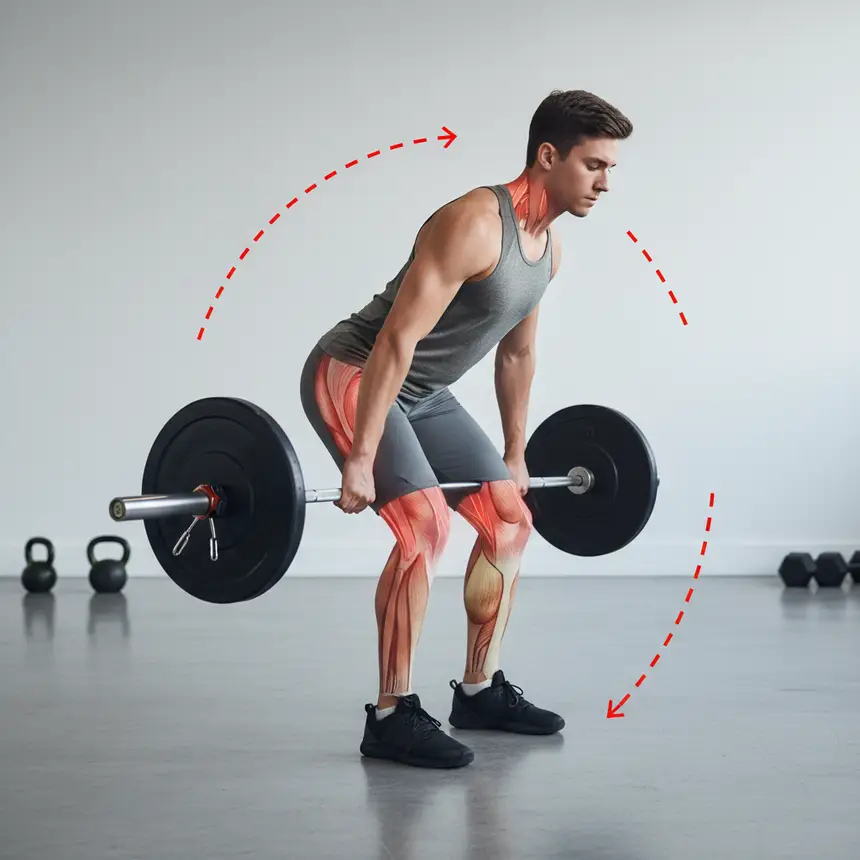
It's a common paradox: people start exercising to improve their health, only to find their posture worsening or new pains emerging. This often stems from a lack of foundational knowledge and individualized guidance. Relying solely on popular online workout routines without understanding your own body's mechanics, range of motion, or muscle activation can be counterproductive. Without proper instruction, you might inadvertently over-train certain muscle groups or reinforce incorrect movement patterns. Skipping essential pre-workout mobility drills and functional stretches to jump straight into intense exercises can heighten the risk of injury and exacerbate existing postural imbalances. Effective exercise requires not just effort, but also correct technique, making mindful training crucial to avoid doing more harm than good.
※ This post contains affiliate links. I may earn a commission at no extra cost to you.

The Science Behind Posture Correction: A PT-Driven Approach
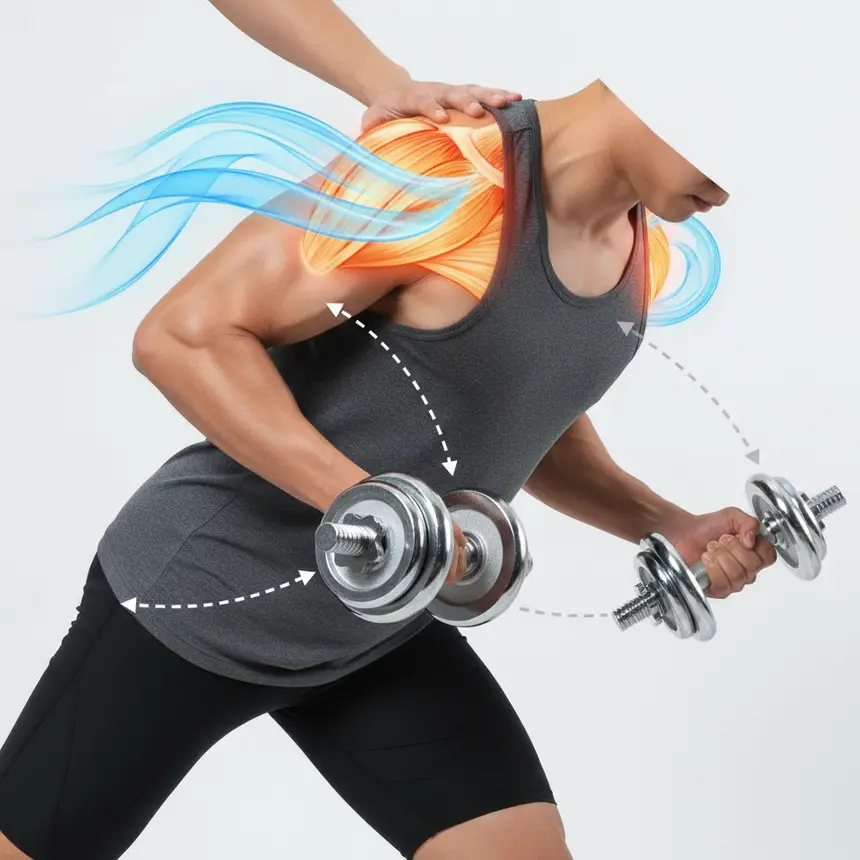
Effective posture correction hinges on a personalized strategy tailored to your unique body. This is where personal training (PT) with an expert plays a pivotal role. A skilled trainer doesn't just dictate exercises; they explain the 'why' and 'how' behind each movement, ensuring you understand which muscles to engage and the purpose of the exercise. Free weight training, involving barbells and dumbbells, is particularly effective as it recruits multiple muscle groups, enhancing overall body coordination and balance crucial for correcting postural imbalances. Trainers meticulously adjust weights and angles to match your body type and joint mobility, offering direct demonstrations and immediate feedback to perfect your form. Crucially, a good PT program incorporates pre-workout routines like foam rolling, functional stretching, and mobility drills. This preparatory work primes your body, reduces injury risk, and amplifies the effectiveness of targeted exercises, especially those for strengthening back muscles (like the latissimus dorsi and rhomboids) vital for stabilizing shoulders and reversing rounded posture.
Cultivating Lasting Habits: Your Environment Matters
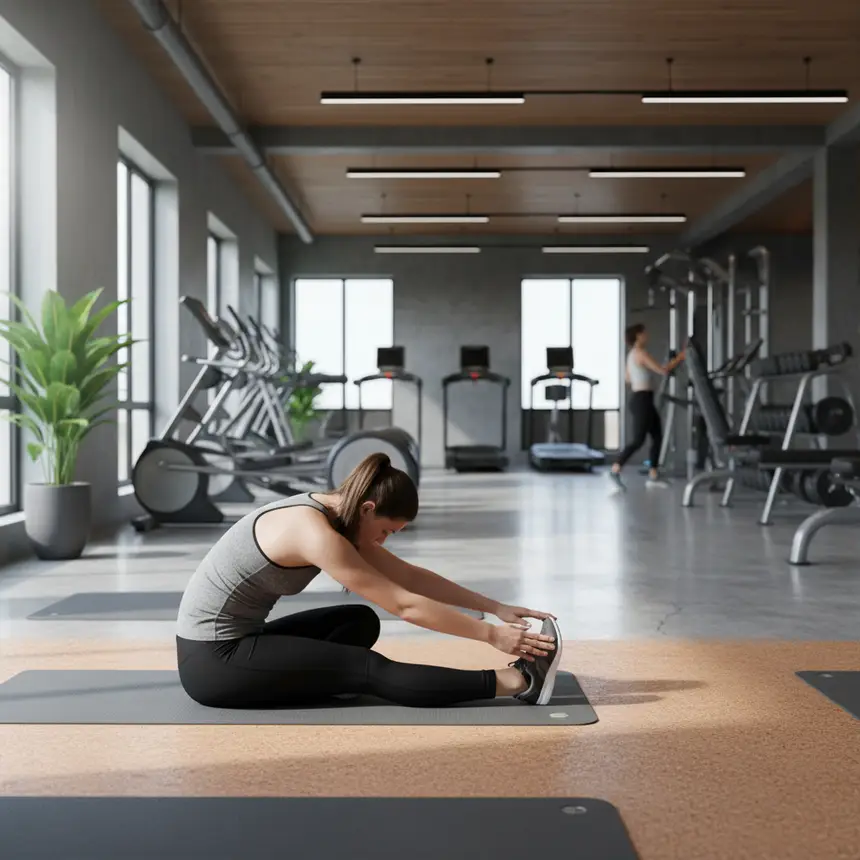
Consistency is paramount in any fitness journey, and a conducive environment is key to maintaining it. A well-lit, above-ground gym with natural light, offering views outside during cardio, can significantly enhance your comfort and motivation compared to a confined basement space. Ample space for movement and a quiet atmosphere can boost focus, allowing you to immerse yourself fully in your workout. Furthermore, access to a dedicated stretching zone and a diverse range of equipment ensures you can prepare your body adequately before and recover effectively after your sessions, minimizing injury concerns. With professional PT, you don't just learn movements; you gain a deep understanding of why certain actions are performed and which muscles are targeted. This knowledge empowers you to apply learned techniques effectively even during your solo workouts. Whether your goal is posture correction, weight management, or muscle building, investing in expert coaching and an optimized training environment is a wise step towards a healthier, more balanced you.
Frequently Asked Questions
Q. How long does it typically take to see results from posture correction exercises?
A. The timeline for posture correction varies based on individual factors like the severity of imbalance and lifestyle habits. However, consistent effort over at least three months often leads to noticeable improvements in posture and a reduction in associated pain. It's crucial to view it as a long-term commitment.
Q. What are some effective back exercises for addressing rounded shoulders?
A. To improve rounded shoulders, focus on strengthening your back muscles, particularly the latissimus dorsi and rhomboids. Effective exercises include Lat Pulldowns, Seated Rows, and Bent-Over Rows. Proper form is critical to maximize benefits and prevent injury, so professional guidance is highly recommended.
Q. What should I look for when choosing a personal trainer for posture correction?
A. When selecting a PT, prioritize a trainer who not only guides movements but also explains the underlying principles. Look for someone capable of designing personalized programs, emphasizing proper mobility, and providing thorough stretching guidance before and after workouts. Their ability to educate, not just instruct, is key.
Q. Is it really necessary to do mobility and stretching before every workout?
A. Yes, pre-workout mobility and stretching are highly beneficial. They help to loosen tight muscles, increase joint range of motion, and prepare your body for the main workout, significantly reducing the risk of injury while enhancing the effectiveness of your exercise by better activating target muscles.