Discover the incredible core-strengthening benefits of planks and reverse planks. Learn proper form, improve your posture, and understand key precautions for a healthier lifestyle, guided by expert insights.

Is Your Weak Core Silently Sabotaging Your Posture and Health?
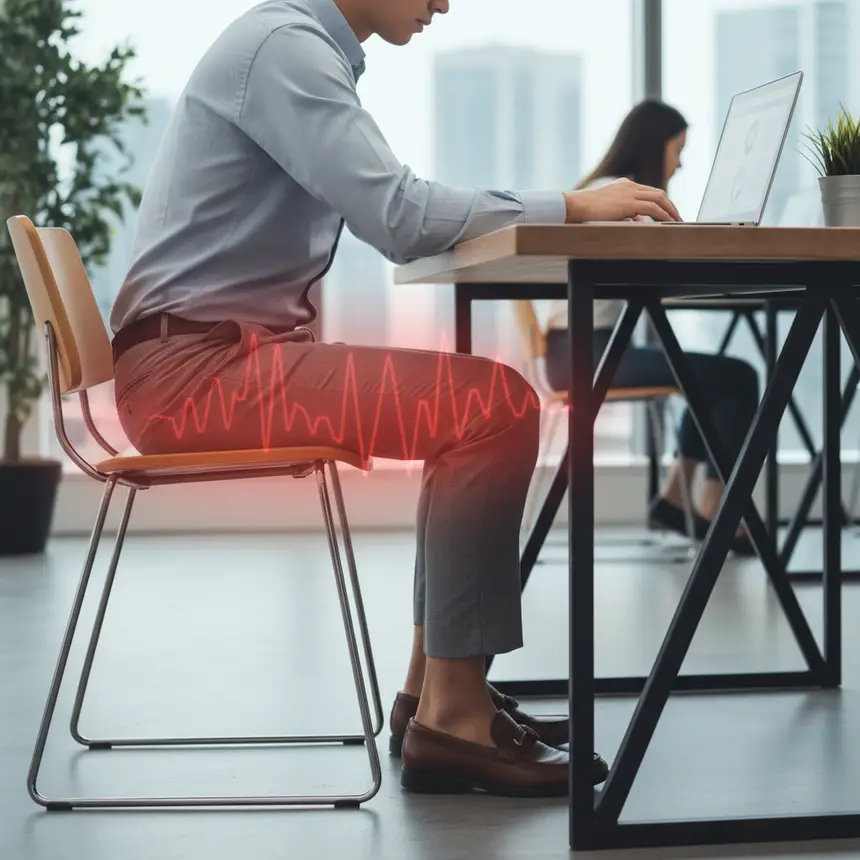
For many living a sedentary lifestyle, the importance of a strong 'core' cannot be overstated. As the central pillar supporting your spine and maintaining body balance, a weakened core can lead to poor posture and persistent lower back discomfort. While many are curious about the benefits of plank exercises to build a robust midsection, it's crucial to approach these workouts with proper understanding and professional guidance rather than jumping in blindly. Incorrect form can strain your body, making accurate information and a systematic approach indispensable for a healthy fitness journey.
Reclaim Stability and Vitality with Planks and Reverse Planks
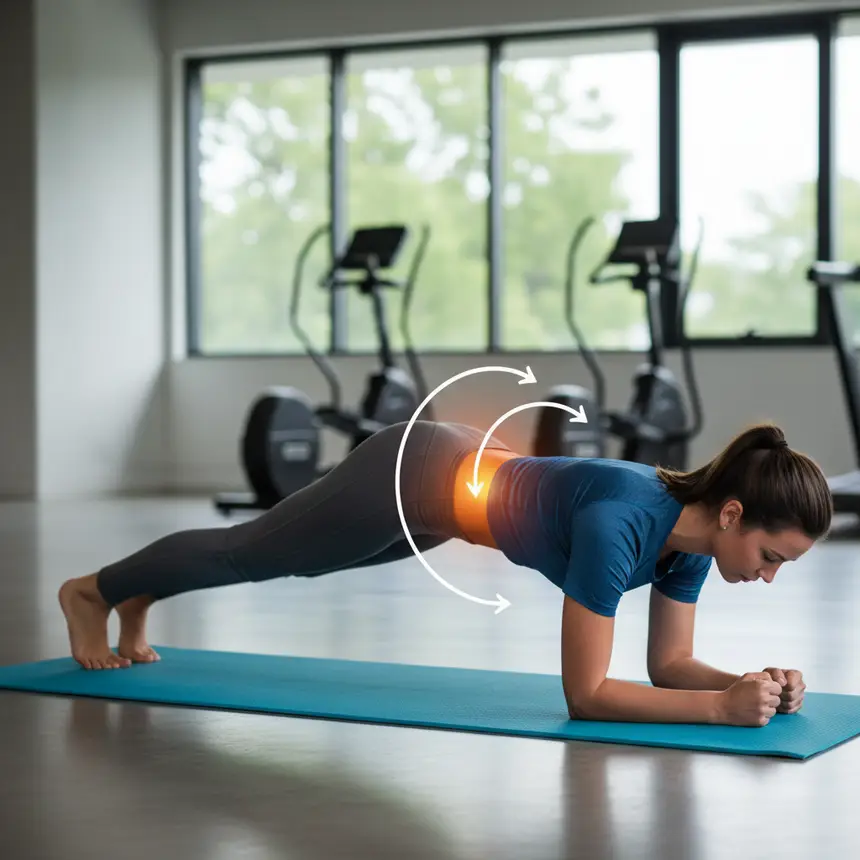
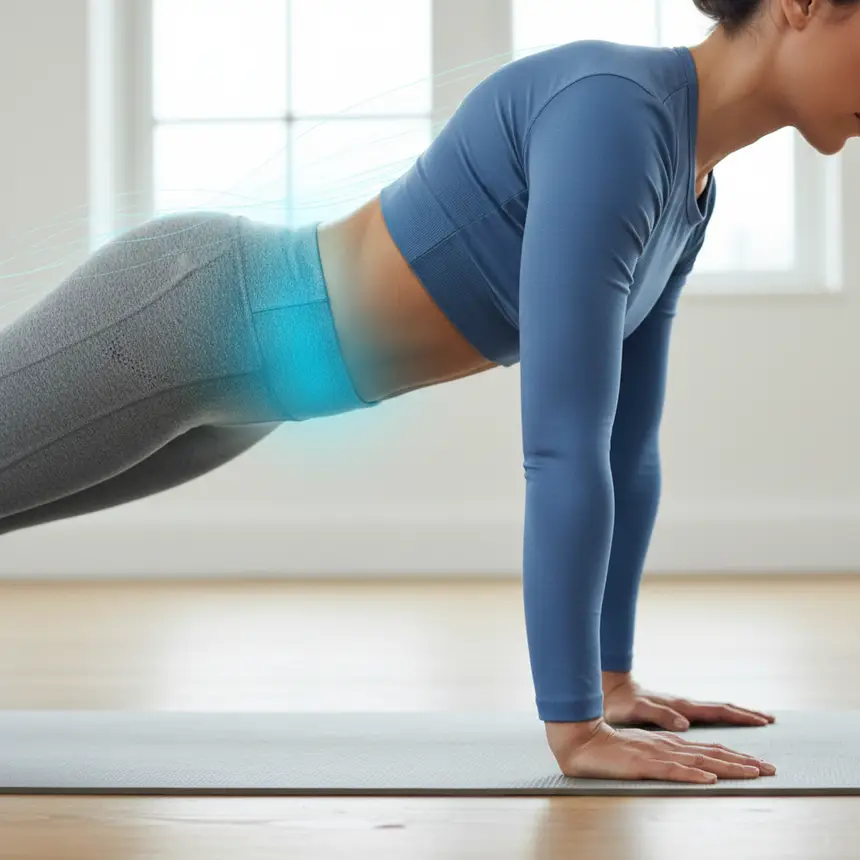
Planks, the quintessential core strengthening exercise, along with their variation, the reverse plank, offer outstanding benefits for posture correction and overall body stability. The traditional plank primarily targets deep core muscles like the transverse abdominis and multifidus, significantly contributing to relief from back discomfort and improved body balance. The correct plank form involves aligning your elbows directly beneath your shoulders, maintaining a straight line from head to heels, engaging your abdominal muscles by pulling them towards your spine, and ensuring your hips neither sag nor rise too high. Conversely, the reverse plank excels at fortifying the posterior chain (back, glutes, hamstrings), an area often neglected by traditional planks, thereby adding synergistic benefits for enhanced core stability. For a proper reverse plank, place your palms on the floor with arms straight, then lift your body to form a straight line from your heels to your shoulders. Actively squeeze your glutes and engage your core to hold this position. Consistently incorporating both planks and reverse planks can lead to a remarkably strong core and an overall improvement in physical function. Think of your core muscles as the sturdy foundation of a building; when they are solid, the stability of all other movements is secured, leading to a significant boost in your daily activity and exercise performance. Regular core exercise can indirectly foster improved blood circulation and cardiovascular health, but it should never be considered a treatment for specific medical conditions.
※ This post contains affiliate links. I may earn a commission at no extra cost to you.

Consistent Core Work: A Smart Investment in Your Long-Term Health
Consistency is key when it comes to planks and reverse planks. Even if you can't dedicate long periods, performing them correctly for short durations daily will yield significant long-term health benefits. Much like a plant watered regularly, your core muscles will gradually strengthen through sustained attention and effort. However, it's vital to avoid overexertion. Gradually increasing your workout intensity, tailored to your body's capabilities, is paramount. Start with achievable durations, perhaps 20-second holds for 3 sets, and progressively extend the time or introduce variations to adjust difficulty. The most critical rule is to stop immediately if you feel any pain and allow for rest. For individuals with pre-existing conditions such as high blood pressure or kidney-related issues, it is imperative to consult a healthcare professional, like a doctor or physical therapist, before commencing any new exercise regimen. This ensures you determine a safe intensity and appropriate methods. Unwise exercise that disregards your health status can do more harm than good. While planks and reverse planks are excellent core exercises, understanding your specific physical condition and seeking proper guidance is the wisest way to maintain a safe and effective fitness routine.
Frequently Asked Questions
Q. Is it beneficial to do planks every day?
A. Consistent daily planks can be highly effective for strengthening your core muscles. However, beginners might benefit from performing them every 2-3 days to allow for muscle recovery, while more advanced individuals can incorporate them daily, perhaps alternating with other core exercises. The key is maintaining proper form without pain.
Q. Why do I experience lower back pain when doing a plank?
A. Lower back pain during a plank often stems from improper form. If your hips are too high or too low, it can put undue strain on your lower back. Focus on engaging your core by pulling your navel towards your spine, ensuring the effort is in your abs, not your back. If pain persists, seek guidance from a fitness professional.
Q. Who would particularly benefit from incorporating reverse planks into their routine?
A. Reverse planks are particularly beneficial for individuals looking to strengthen their posterior chain muscles (back, glutes, hamstrings), which might not be fully engaged by traditional planks alone. They are also recommended for those aiming to correct rounded shoulders or improve overall posture, as they enhance full-body stability and balance.
Q. Besides planks, what other exercises are effective for core strengthening?
A. Several other exercises target the core effectively, including side planks, bird-dog, dead bug, and bicycle crunches. Integrating these into your routine alongside planks can help develop a more balanced and robust core musculature.
Q. Can I do plank exercises if I have high blood pressure?
A. If you have high blood pressure, it's crucial to consult your doctor or a healthcare professional before starting any new exercise program. While low-intensity aerobic and strength training can generally benefit cardiovascular health, isometric exercises like planks, which involve significant muscular exertion, can temporarily elevate blood pressure. Professional guidance will help you proceed safely.