Struggling to lose stubborn side fat? This article explores the root causes of love handles and provides effective strategies including targeted exercises, balanced nutrition, and lifestyle changes to help you achieve a toned waistline. Discover the path to a healthier, more confident you.

Are You Battling Stubborn Side Fat Too?
Many of us embark on a fitness journey with specific areas in mind that we want to improve. For countless individuals, the "love handles" – that frustrating fat around the side of your waist – top the list. It feels almost unfair, doesn't it? You diet, you exercise, you put in the work, yet those unwelcome bulges persist, making you sigh every time you catch a glimpse in the mirror. Do you dream of a sleek, defined waist that slips effortlessly into your favorite jeans, only to be met with constant frustration? Is side fat an unchangeable genetic fate, or are there secrets to shedding it that you haven't discovered yet?
Surprising Reasons Why Side Fat Accumulates
The way our bodies store fat isn't just about how much we eat or move. The fat that settles around your side waist, often called love handles, is influenced by a complex interplay of factors. Imbalanced nutrition, genetic predispositions, hormonal fluctuations, and a lack of physical activity are significant contributors. What's more, everyday habits we often overlook play a crucial role.
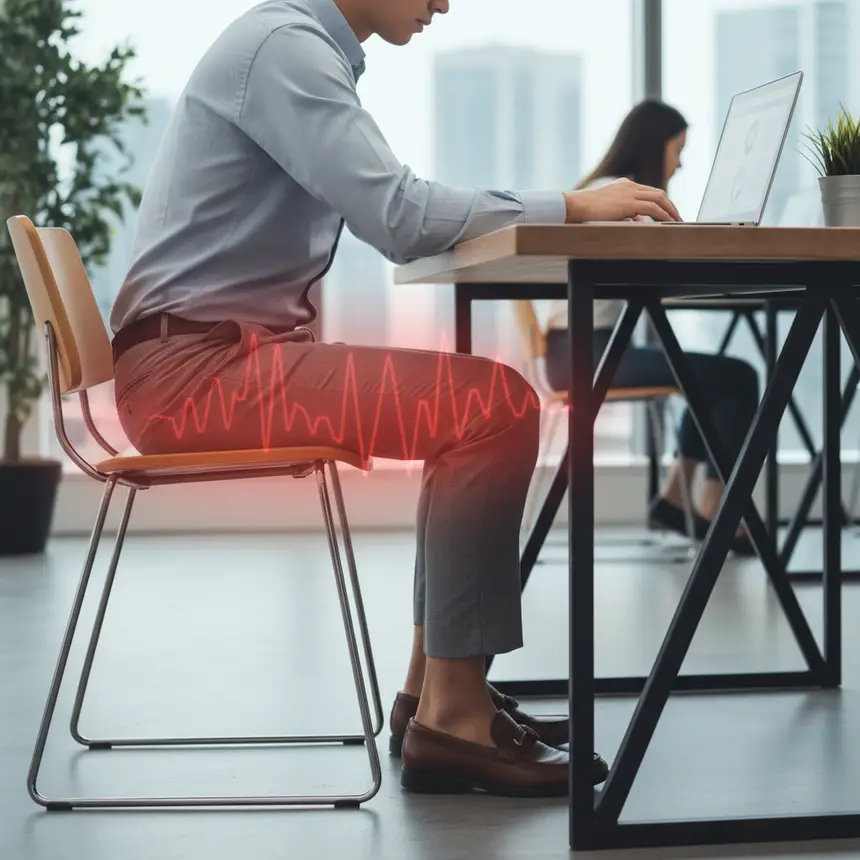
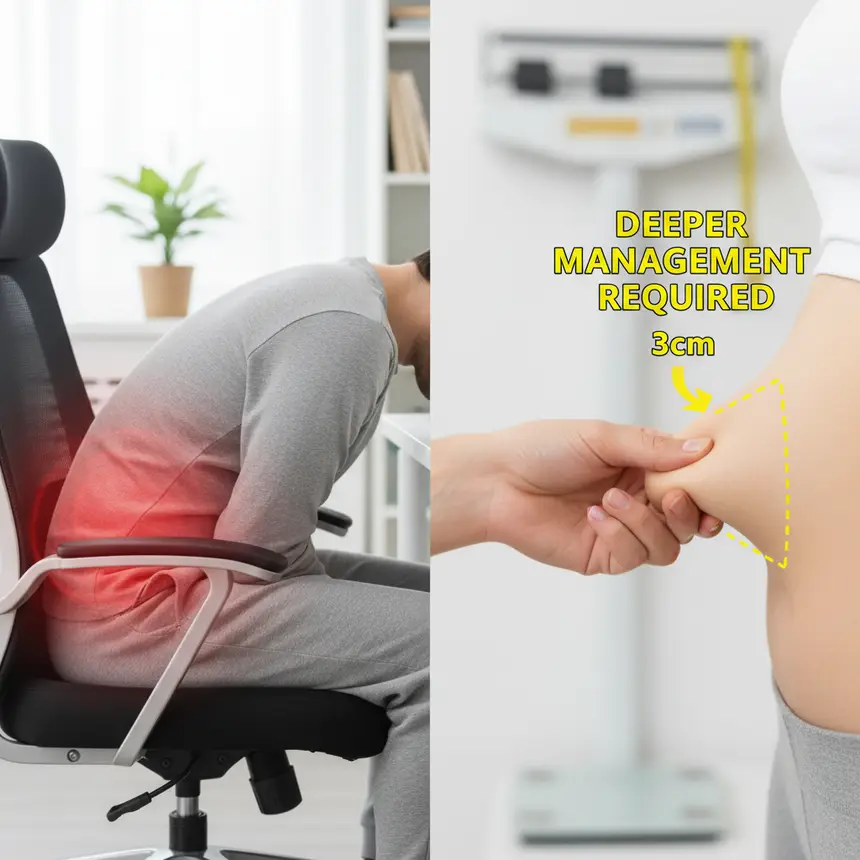
For instance, prolonged sitting with poor posture, or consistently leaning to one side, can weaken your core and oblique muscles. When these muscles aren't properly engaged, it creates an environment ripe for fat accumulation. Additionally, chronic stress can elevate cortisol levels, a hormone linked to increased abdominal fat storage. Try a simple test: stand in front of a mirror and gently pinch the fat around your lower side waist. If you can grab more than an inch (about 3 cm) of tissue, it might indicate a deeper layer of fat, suggesting that a more comprehensive and dedicated approach beyond casual exercise is likely needed. This isn't just about surface fat; it's a signal for a more structured, long-term strategy.
For instance, prolonged sitting with poor posture, or consistently leaning to one side, can weaken your core and oblique muscles. When these muscles aren't properly engaged, it creates an environment ripe for fat accumulation. Additionally, chronic stress can elevate cortisol levels, a hormone linked to increased abdominal fat storage. Try a simple test: stand in front of a mirror and gently pinch the fat around your lower side waist. If you can grab more than an inch (about 3 cm) of tissue, it might indicate a deeper layer of fat, suggesting that a more comprehensive and dedicated approach beyond casual exercise is likely needed. This isn't just about surface fat; it's a signal for a more structured, long-term strategy.
※ This post contains affiliate links. I may earn a commission at no extra cost to you.

An Integrated Strategy for Targeting Side Fat
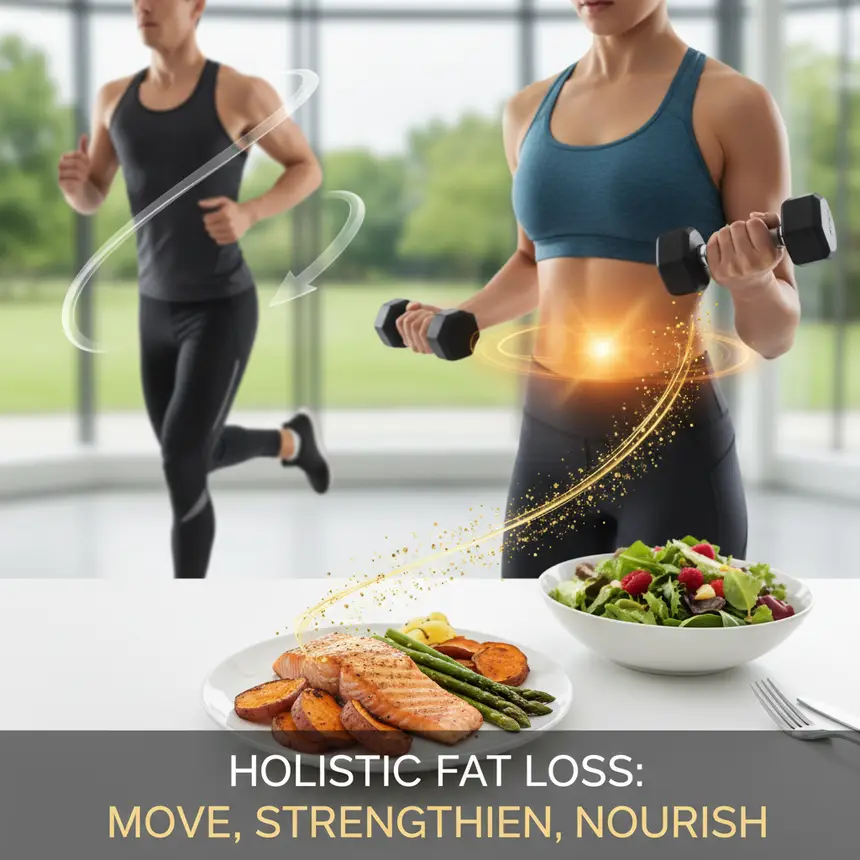
To effectively manage side fat, a narrow, localized approach simply won't cut it. Our bodies don't allow for "spot reduction," meaning you can't choose where your body burns fat from. Therefore, the most effective strategy involves aiming for overall body fat reduction while simultaneously strengthening the muscles around your waistline.
The cornerstone of this approach is maintaining a "calorie deficit." Consuming fewer calories than you expend is essential for your body to start tapping into its fat stores, including those around your sides. Consistent cardiovascular exercises like brisk walking, jogging, or swimming are vital for burning overall body fat. Furthermore, incorporating full-body strength training, especially exercises that engage your core, can significantly boost your metabolism. A higher metabolic rate means your body burns more calories even at rest. This dual approach helps reduce fat while building lean muscle, which not only gives you a more toned appearance but also helps prevent sagging skin as you lose weight, ultimately leading to a smoother, more defined physique. The goal isn't just to see a lower number on the scale, but to decrease body fat while preserving muscle mass for a healthier, stronger you.
The cornerstone of this approach is maintaining a "calorie deficit." Consuming fewer calories than you expend is essential for your body to start tapping into its fat stores, including those around your sides. Consistent cardiovascular exercises like brisk walking, jogging, or swimming are vital for burning overall body fat. Furthermore, incorporating full-body strength training, especially exercises that engage your core, can significantly boost your metabolism. A higher metabolic rate means your body burns more calories even at rest. This dual approach helps reduce fat while building lean muscle, which not only gives you a more toned appearance but also helps prevent sagging skin as you lose weight, ultimately leading to a smoother, more defined physique. The goal isn't just to see a lower number on the scale, but to decrease body fat while preserving muscle mass for a healthier, stronger you.
Actionable Strategies for a Sculpted Midsection
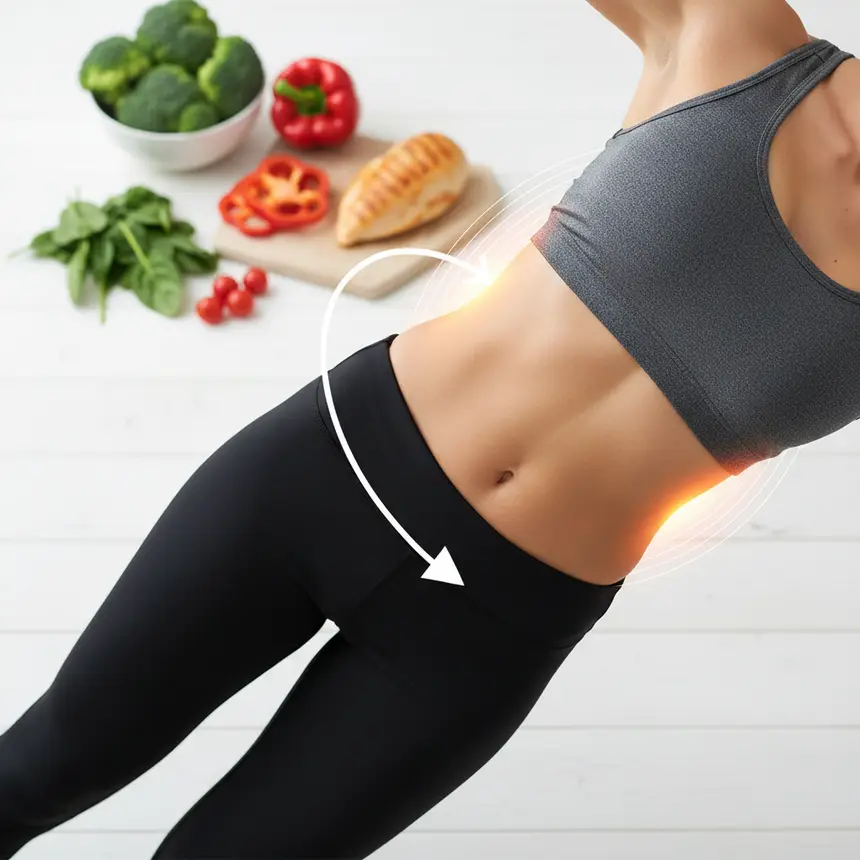
Achieving a toned, side-fat-free waist requires consistent effort and smart strategies. On the nutritional front, prioritize whole, unprocessed foods. Minimize intake of sugary drinks and processed snacks, focusing instead on lean proteins, fiber-rich vegetables, fruits, and whole grains. This approach helps maintain satiety, prevents unnecessary calorie intake, and provides essential nutrients.
For exercise, a combination of movements that target not just your obliques but your entire core is most effective. The "side plank" is excellent for building oblique strength and core stability simultaneously. "Russian twists" effectively engage both your rectus abdominis and oblique muscles with a rotational movement. Additionally, "bicycle crunches" are fantastic for activating your entire abdominal area, including the sides. Beyond these, incorporating practices like Pilates or yoga can significantly improve core strength, flexibility, and posture, addressing some of the underlying causes of side fat accumulation. Remember, correct form is paramount for these exercises; start with a manageable number of repetitions and gradually increase as your strength improves. Consistency is your most powerful tool.
For exercise, a combination of movements that target not just your obliques but your entire core is most effective. The "side plank" is excellent for building oblique strength and core stability simultaneously. "Russian twists" effectively engage both your rectus abdominis and oblique muscles with a rotational movement. Additionally, "bicycle crunches" are fantastic for activating your entire abdominal area, including the sides. Beyond these, incorporating practices like Pilates or yoga can significantly improve core strength, flexibility, and posture, addressing some of the underlying causes of side fat accumulation. Remember, correct form is paramount for these exercises; start with a manageable number of repetitions and gradually increase as your strength improves. Consistency is your most powerful tool.
The Journey to Lasting Change: Consistency and Self-Awareness
Losing side fat, like any significant fitness goal, is a marathon, not a sprint. Short-term bursts of effort yield fleeting results. The true key lies in maintaining a long-term perspective and unwavering consistency. Don't be discouraged if you don't see immediate changes; your body needs time to adapt, and every small effort builds towards a larger transformation.
The most effective path is to find a sustainable eating plan and exercise routine that works for your body and lifestyle. Crucially, listen to your body's signals. Struggling with side fat is a common challenge, but it's one you can absolutely overcome. Trust yourself, stay committed to healthy habits, and continue on your journey toward a strong, defined waistline. Your persistent efforts will undoubtedly pay off, revealing a more confident and healthier you.
The most effective path is to find a sustainable eating plan and exercise routine that works for your body and lifestyle. Crucially, listen to your body's signals. Struggling with side fat is a common challenge, but it's one you can absolutely overcome. Trust yourself, stay committed to healthy habits, and continue on your journey toward a strong, defined waistline. Your persistent efforts will undoubtedly pay off, revealing a more confident and healthier you.
Frequently Asked Questions
Q. Why is side fat so notoriously difficult to lose?
A. Side fat is largely subcutaneous fat, which tends to have less blood flow, making it harder for the body to mobilize. Additionally, you cannot spot reduce fat; overall body fat reduction is required. Factors like poor posture, lifestyle habits, and hormonal imbalances can also make this area more resistant to change.
Q. What are the most effective exercises for reducing side fat?
A. While no exercise directly "reduces" fat from a specific spot, exercises that strengthen your core and oblique muscles (like side planks, Russian twists, and bicycle crunches) help sculpt the area. These should be combined with full-body cardiovascular and strength training to reduce overall body fat.
Q. Is crash dieting effective for losing side fat?
A. Extreme crash diets can lead to rapid weight loss, but often result in muscle loss and a slowed metabolism, making your body more prone to fat regain in the long run. This often leads to a "yo-yo" effect. A balanced diet with consistent exercise is far more effective and sustainable for healthy fat loss.
Q. Does posture play a role in side fat accumulation?
A. Yes, absolutely. Poor posture, such as prolonged slouching or leaning to one side, can weaken your core muscles and create an environment where fat tends to accumulate more easily around your sides. Maintaining good posture actively engages your core, which is crucial for a toned waistline.
Q. How long does it take to see results when targeting side fat?
A. The timeline for losing body fat, including side fat, varies greatly depending on individual metabolism, lifestyle, and consistency. Healthy, sustainable fat loss typically ranges from 1-2 pounds (approx. 0.5-1 kg) per week. It's realistic to expect to see noticeable changes over several months of consistent effort and patience, rather than weeks.