Are you struggling with forward head posture from prolonged screen time? It's time to transform your habits. Discover effective at-home stretches to relieve neck and shoulder discomfort and reclaim a more comfortable, aligned daily life.

Breaking Free from Discomfort: Your First Step Away from Forward Head Posture
For anyone spending long hours staring at screens – be it a smartphone or a computer monitor – the familiar ache in the neck and shoulders might feel like an unavoidable part of modern life. Many of us unwittingly adopt what’s commonly known as 'forward head posture,' where the head juts out beyond the alignment of the shoulders. This isn't just about how you look; it's a significant contributor to chronic discomfort, impacting your overall well-being. Our cervical spine naturally forms a gentle C-shaped curve. However, repetitive actions of looking down can gradually flatten this curve, forcing your neck and shoulder muscles to bear the full weight of your head, which weighs around 11 pounds (5 kg). This excessive strain leads to muscle tension, stiffness, and can manifest as shoulder pain, headaches, and general fatigue. Consistent forward head posture stretching is key to breaking this cycle, alleviating muscle tension around the neck, and restoring proper alignment. Dedicate a small portion of your day to these simple exercises and take the first step towards a more comfortable, pain-free existence.
Essential Stretching Routine to Relieve Neck and Shoulder Tension
Here are three vital stretches you can easily incorporate into your busy day. No special equipment is needed, and you can even do them while seated. Try them out now for immediate relief.### Chin Tuck Exercise
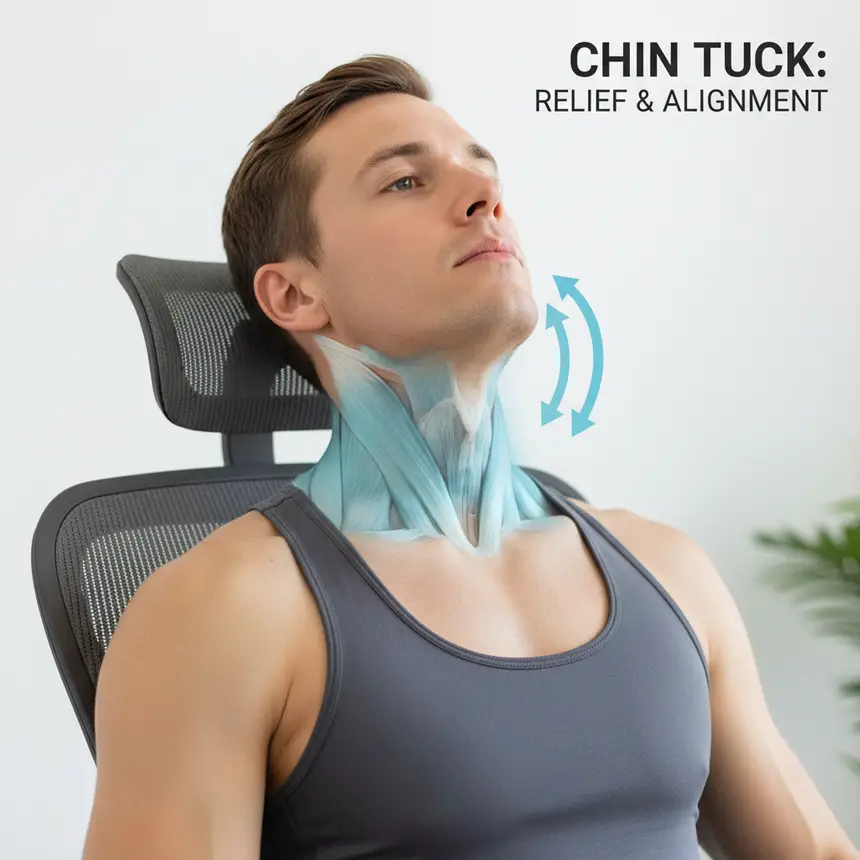
This exercise is highly effective for repositioning your head back into proper alignment. While looking straight ahead, gently pull your chin backward, creating a 'double chin' effect. Focus on lengthening the back of your neck. It’s crucial to keep your eyes level and only move your head horizontally, not tilting it up or down. Hold this position for 5 seconds, feeling a gentle stretch in the back of your neck, then slowly release. Repeat this motion 10 times.### Lateral Neck Stretch
This stretch is excellent for loosening tight muscles on the side of your neck and the upper trapezius. Sit up straight with a tall spine. With one hand, reach over your head and gently pull your head towards your shoulder. The key here is to relax the opposite shoulder, allowing it to drop away from your ear to maximize the stretch. Hold for 15 seconds, focusing on the elongation along the side of your neck. Switch sides and repeat the stretch.### Chest Opening Stretch
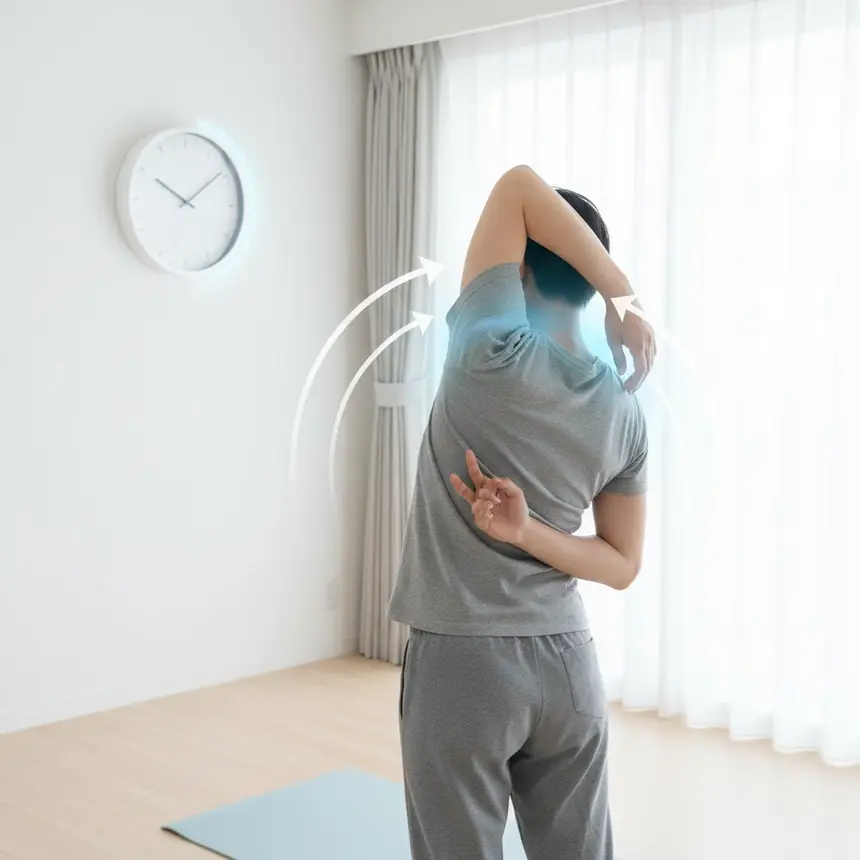
Forward head posture often comes hand-in-hand with rounded shoulders and a hunched upper back. This stretch helps to counteract that by opening up your chest and improving upper body posture. Whether seated or standing, interlace your fingers behind your back. Straighten your arms and gently pull your shoulder blades together, lifting your chest upwards. Feel your upper back straighten and your chest expand. Hold this position for 15 seconds. Consistent practice of this stretch will help restore balance to your entire upper body.
This exercise is highly effective for repositioning your head back into proper alignment. While looking straight ahead, gently pull your chin backward, creating a 'double chin' effect. Focus on lengthening the back of your neck. It’s crucial to keep your eyes level and only move your head horizontally, not tilting it up or down. Hold this position for 5 seconds, feeling a gentle stretch in the back of your neck, then slowly release. Repeat this motion 10 times.### Lateral Neck Stretch
This stretch is excellent for loosening tight muscles on the side of your neck and the upper trapezius. Sit up straight with a tall spine. With one hand, reach over your head and gently pull your head towards your shoulder. The key here is to relax the opposite shoulder, allowing it to drop away from your ear to maximize the stretch. Hold for 15 seconds, focusing on the elongation along the side of your neck. Switch sides and repeat the stretch.### Chest Opening Stretch
Forward head posture often comes hand-in-hand with rounded shoulders and a hunched upper back. This stretch helps to counteract that by opening up your chest and improving upper body posture. Whether seated or standing, interlace your fingers behind your back. Straighten your arms and gently pull your shoulder blades together, lifting your chest upwards. Feel your upper back straighten and your chest expand. Hold this position for 15 seconds. Consistent practice of this stretch will help restore balance to your entire upper body.
※ This post contains affiliate links. I may earn a commission at no extra cost to you.

Maximizing Stretch Benefits Through Consistent Practice
No matter how beneficial a stretch is, you won't see results without consistency. Even short bursts of effort, repeated daily, are far more effective than sporadic, longer sessions. You can experience noticeable changes in your neck and shoulders with just 5 minutes of daily dedication. Try integrating these stretches three times a day for about 5 minutes each session: when you wake up to invigorate your body, during a quick break at lunchtime, or before bed to release the day's tension. While the initial changes might be subtle, consistent practice for just one week can significantly reduce the persistent pressure in your neck and shoulders, leaving you feeling much lighter. You'll likely notice a refreshed feeling upon waking instead of morning stiffness, and a clear head instead of that heavy afternoon headache. Instead of viewing stretching as just an exercise, aim to make it as natural a daily habit as drinking water or brushing your teeth. The more consistent you are, the more comfortable and free your body will become.
Guidelines for Safe and Effective Stretching
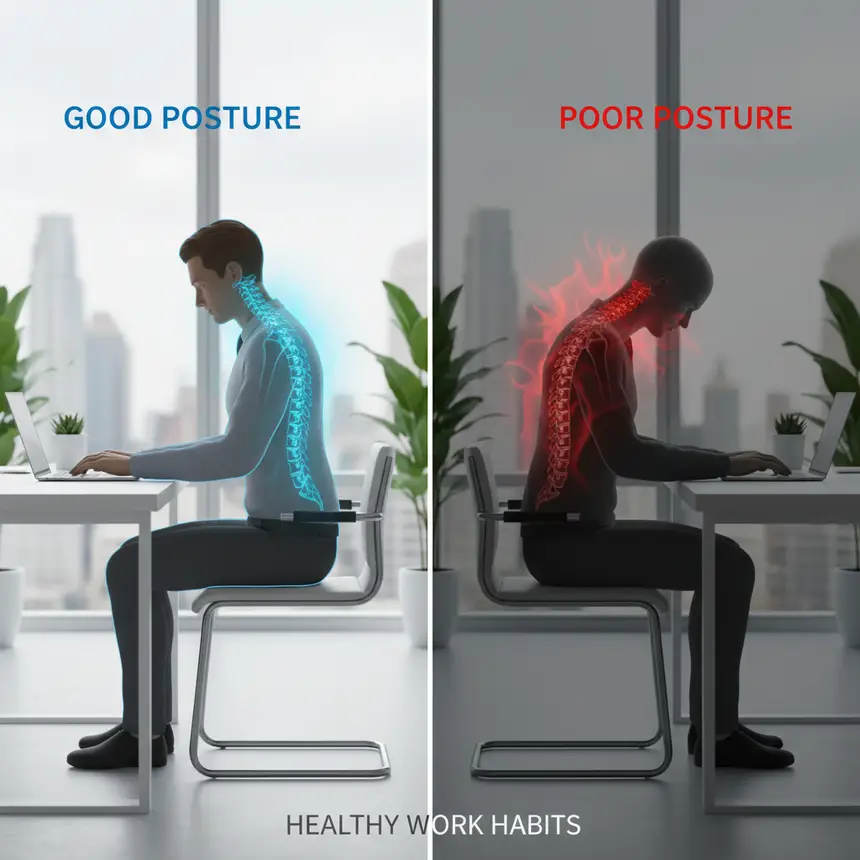
This forward head posture stretching routine can benefit a wide range of individuals, including office workers who spend long hours seated, students who frequently use smartphones, and anyone experiencing chronic neck and shoulder tension. However, as with all exercises, proper form is paramount. If you feel any sharp pain during a stretch, stop immediately and rest. Remember, stretching should feel like a satisfying release, not an endurance test of pain. When performing each movement, focus on smooth, slow muscle elongation rather than using jerky motions or momentum. Furthermore, incorporating improvements into your daily habits will amplify the benefits. Position your computer monitor at eye level, and when using your smartphone, try to lower your gaze or lift the device rather than bending your neck. When seated, ensure your lower back is pressed against the chair's backrest to maintain proper spinal alignment. These small, consistent efforts will contribute significantly to long-term neck and shoulder health, leading to a more vibrant and comfortable daily life.
Frequently Asked Questions
Q. What exactly does 'Forward Head Posture' mean?
A. Forward Head Posture (FHP) isn't a medical diagnosis but describes a common postural deviation where the head sits forward of the body's midline. It signifies a flattening of the natural C-curve in the cervical spine, leading to excessive strain on surrounding muscles.
Q. How often and for how long should I stretch to see results?
A. Consistency is key. Aim for 2-3 sessions per day, each lasting about 5 minutes. Incorporating stretches around your meal times or during short breaks can help establish a routine. Even short, regular sessions are more beneficial in the long run than infrequent, longer ones.
Q. What should I do if I feel pain during a stretch?
A. Stretching should feel like a gentle, relieving pull, not sharp pain. If you experience any acute discomfort or pain, stop the movement immediately and rest. Forcing a stretch through pain can lead to injury, so always listen to your body.
Q. Are there everyday tips to help prevent Forward Head Posture?
A. Yes! Position your computer monitor at eye level. When using your phone, try to lower your gaze or hold the device higher instead of craning your neck. Sit with your lower back firmly against your chair's backrest, and take frequent breaks to stand up and stretch. These small adjustments can make a big difference.