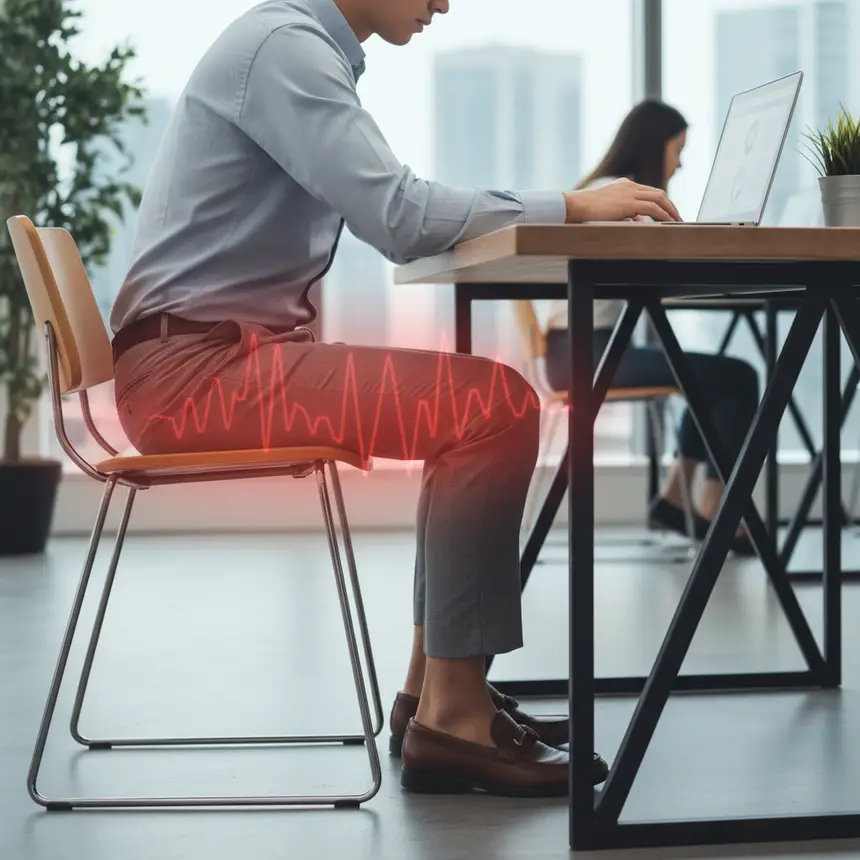
Transform your busy commute into an opportunity to reduce fatigue and boost energy with smart, simple exercises. Discover easy ways to incorporate movement like stair climbing, core engagement, and brisk walking into your day for a more vibrant you.

Why Small Daily Movements Can Transform Your Energy Levels
For many of us, the daily commute bookends our day, often feeling like a drain on our precious energy. Yet, this very time, often perceived as lost, holds immense potential to reduce fatigue and significantly boost your stamina. If you find it challenging to carve out dedicated gym time, integrating movement into your daily travels can be a game-changer. You don't need fancy equipment or extensive hours; simply adjusting a few habits can drastically improve your physical vitality. These seemingly minor interventions throughout your day contribute to better overall physical function and can even enhance focus and mental clarity, benefiting you long after you've reached your destination.

Simple Commute Fitness Routines to Revitalize Your Body
Your daily journey to and from work offers more opportunities for physical activity than you might think. Incorporate these straightforward methods into your routine to improve balance and elevate your energy.
- 1. Strengthen Lower Body with Stairs: Opting for stairs instead of elevators or escalators provides excellent stimulation for your leg muscles. Consistent stair climbing builds strength in your thighs and glutes, promoting better circulation and helping to alleviate morning stiffness. Start with one or two flights and gradually increase as your stamina improves.
- 2. Engage Your Core on Public Transport: While standing on a subway or bus, gently engage your abdominal muscles and maintain an upright posture. The effort to stabilize yourself without solely relying on handrails naturally activates your core muscles, supporting spinal health and better posture.
- 3. Vary Your Walking Speed for Cardio Benefits: If possible, get off a stop or two earlier and power walk the rest of the way, varying your pace and stride. A consistent brisk walk for 10 minutes or more will elevate your heart rate to an effective cardio zone. This practice strengthens your cardiovascular system and builds the endurance needed for a productive day.
- 4. Quick Stretch Breaks for Muscle Relief: Utilize brief moments, like waiting for a bus, to perform calf raises, roll your shoulders to release tension, or gently tilt your head side to side. These small stretches effectively loosen tight muscles, especially beneficial for combating the stiffness often caused by smartphone use and prolonged sitting.
- 5. Cultivate Posture Awareness: Consciously tuck your chin slightly and keep your neck straight while walking or sitting. This habit reduces strain on your neck and shoulders, contributing to overall posture improvement. These small, consistent efforts during your commute add up to create significant benefits for your health and well-being.
※ This post contains affiliate links. I may earn a commission at no extra cost to you.


Achieving Lasting Benefits Through Consistent Habit Formation
The true power of light commute exercises lies in their consistency. Rather than attempting too much too soon, set achievable small goals that you can maintain daily, gradually increasing the intensity or duration. For instance, begin by walking one extra block or using the stairs three times a day. While immediate dramatic changes might not be apparent, within two to three weeks of consistent effort, you'll likely notice reduced breathlessness and a lighter feeling in your body. This habit not only enhances physical fitness but also positively impacts mental well-being by reducing stress and boosting mental clarity. This approach is particularly recommended for office workers with long sitting hours, those with limited time for traditional workouts, and anyone who prefers integrating natural movement into their daily life. Remember, sustainability trumps perfection. These small, consistent actions are the most realistic path to a healthier body and mind.
Frequently Asked Questions
Q. Can light commute exercises really provide sufficient fitness benefits?
A. While they might not replace high-intensity, dedicated workouts, consistent light exercises during your commute can significantly improve cardiovascular health, maintain muscle strength, correct posture, and reduce overall fatigue. For those new to exercise or struggling with a sedentary lifestyle, they offer an excellent starting point.
Q. How much time should I dedicate daily to see results?
A. You don't need a lot of time. Even 20-30 minutes of integrated activity, such as 5 minutes of stair climbing, 10 minutes of standing core engagement, and 15 minutes of brisk walking, can lead to noticeable changes. The key is consistency over duration.
Q. What if I don't use public transportation?
A. If you drive, you can still increase your activity by parking further away and walking to your destination, or taking short walks during lunch breaks. Incorporating core exercises while sitting at your desk is another effective alternative.
Q. What if I feel more tired after starting these exercises?
A. It's normal to experience some mild muscle soreness or fatigue initially as your body adapts. It's crucial to adjust the intensity or allow for adequate rest. If discomfort is severe, take a break and resume with a lower intensity.