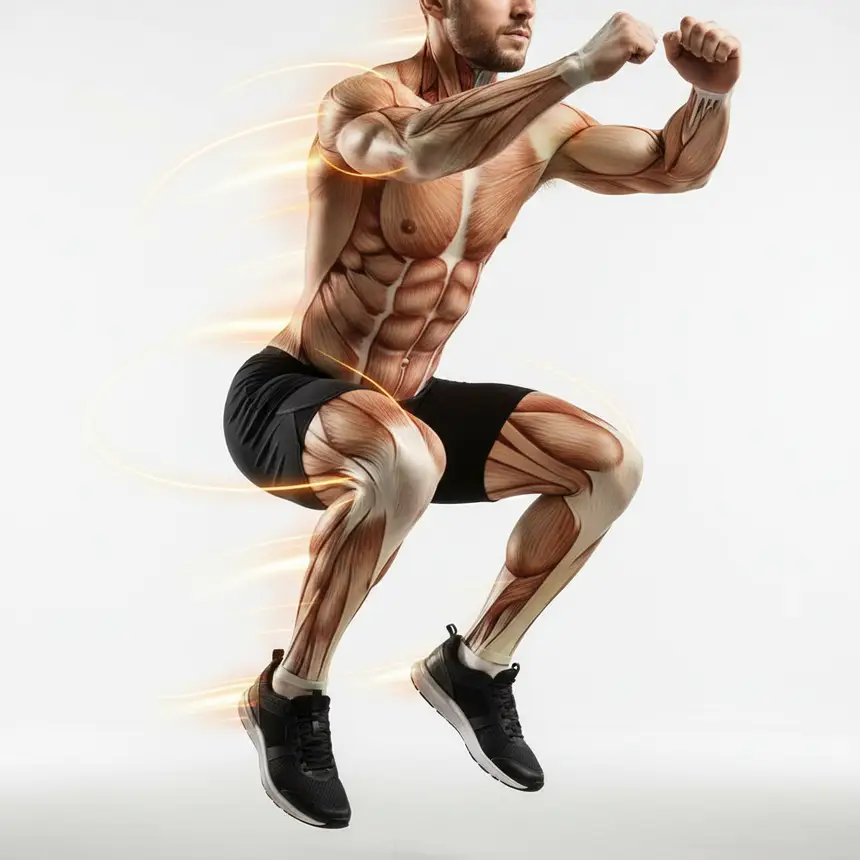
Do your lower body workouts leave your thighs bulky or cause pain? The secret to achieving a toned thigh gap lies in balanced core and glute activation. Learn how to correct common exercise mistakes and sculpt a healthier, more defined lower body.

H2. Why Are My Lower Body Workouts Not Working, Or Even Causing Discomfort?
Many individuals diligently pursue lower body exercises, hoping for sculpted thighs and a defined physique. However, it's a common frustration to see little to no progress, or even feel that your thighs appear bulkier. Furthermore, improper or strenuous workouts can often lead to unexplained aches or discomfort in the lower back, hips, and knees. Simply pushing through intense leg exercises without proper form often fails to create the desired thigh gap and can exacerbate muscular imbalances. It's perfectly natural to question if your efforts are truly beneficial or simply adding unnecessary strain to your body. This often stems not from a lack of effort, but from overlooking the fundamental principles of movement and muscle engagement.

H2. Persistent Lower Body Pain? It Might Be Muscle Imbalance
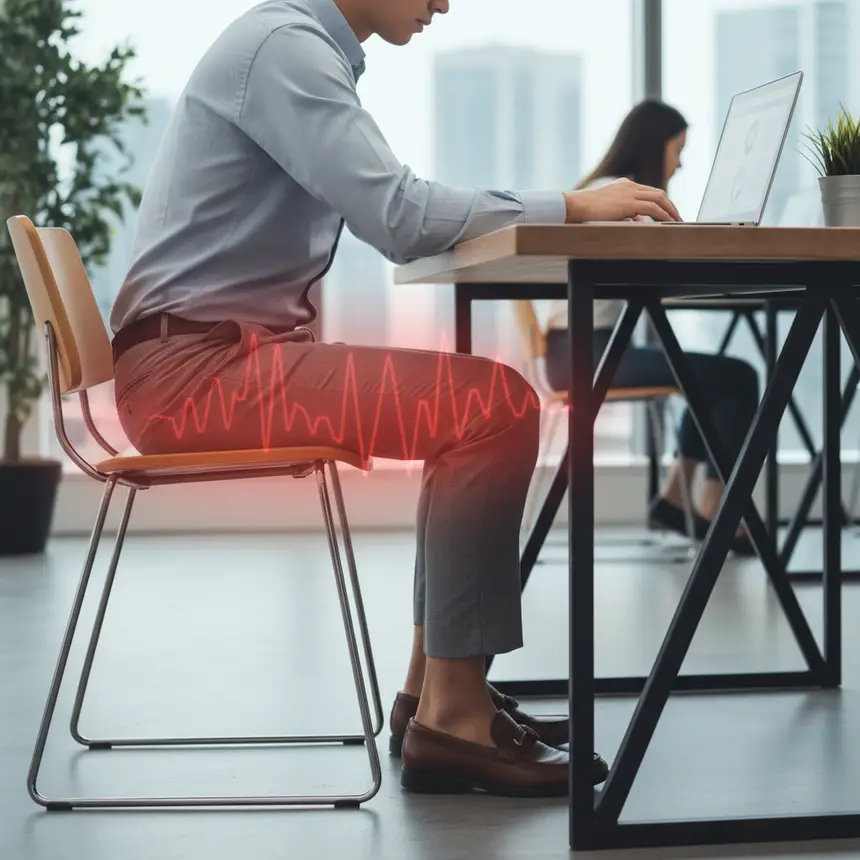
A frequent mistake in lower body training is the over-reliance on the quadriceps, or front thigh muscles. When people think of strengthening their legs, the immediate focus is often on intensely stimulating the quads. Yet, this approach can neglect the body's overall muscular synergy, leading to overworking specific areas. If the front thigh muscles are primarily engaged without sufficient glute activation during leg movements, it can compromise pelvic stability and result in poor posture, such as an excessive arch in the lower back. This is akin to trying to build a roof without solid foundational pillars. Consequently, the core and gluteal muscles, crucial for body stabilization, remain underactive. This makes it challenging to achieve a desired thigh aesthetic or overall lower body strength, no matter how hard you train. Moreover, this imbalance can unevenly distribute body weight, placing undue stress on the knees and lower back.
※ This post contains affiliate links. I may earn a commission at no extra cost to you.


H2. Transform Your Leg Line by Engaging Your Core and Glutes
Achieving true lower body strength and an aesthetically pleasing physique goes beyond just moving your legs; it crucially involves establishing stability in your core and pelvis. Every effective lower body exercise begins with correctly engaging your body's center. For instance, even during simple supine leg movements, you must maintain appropriate abdominal tension to prevent your lower back from arching excessively off the floor and ensure your pelvis remains balanced, not tilting to one side. Cultivating this fundamental postural control is key. Instead of forcing a large range of motion from the start, focus on finding the sensation of proper core and glute activation, repeating movements accurately within a smaller, controlled range. Practice using your glute muscles to initiate and drive leg movements, and consistently concentrate on keeping your core engaged throughout. Think of it as laying a strong foundation before constructing a building. Also, remember to avoid unnecessary tension in your shoulders or neck. Prioritizing the 'quality' of movement over 'quantity' is the most direct path to a well-aligned lower body.

H2. Consistency Creates Change: Achieving Healthy, Toned Legs
For stable and efficient movement during lower body exercises, it's essential for your core, pelvis, and hip joints to work together harmoniously. What appears to be a fluid motion often demands deep concentration and continuous core engagement. While mastering new body sensations might initially feel challenging, consistent practice will allow you to personally experience physical transformations. Sustaining correct posture during your workouts can lead to a more streamlined lower body, reduced thigh circumference, and help in achieving that desired thigh gap. Beyond just fitting into smaller clothing sizes, improved overall body alignment can enhance your gait and boost your functional abilities in daily life. If your goal is to build strength healthily and without excessive strain, it's crucial to deeply understand your body's current movement patterns and consistently practice exercises that center around engaging your core and gluteal muscles. In the long run, this approach will not only change specific body parts but also restore overall body health and vitality.
Frequently Asked Questions
Q. I feel my front thigh muscles (quads) are doing too much work during leg exercises. How can I fix this?
A. To reduce quad dominance, focus on activating your core and glute muscles first. Start with exercises like glute bridges or clam shells to awaken your glutes. When performing squats or lunges, concentrate on maintaining an upright torso and initiating the movement by pushing your hips back, as if sitting in a chair. Using a mirror to check your form or seeking guidance from a fitness professional can also be very helpful.
Q. What exercises are genuinely effective for creating a 'thigh gap'?
A. A thigh gap isn't created by one specific exercise, but rather by a combination of balanced lower body musculature and overall body fat reduction. Exercises targeting the adductors (inner thighs) and abductors (outer thighs), as well as glute-strengthening movements like squats, lunges, and hip thrusts, are particularly important. The key is to execute these exercises with correct form, fully engaging your core and glutes.
Q. My lower back hurts after leg workouts. What should I be mindful of?
A. Lower back pain during or after leg workouts often stems from insufficient core stability or excessive pelvic movement. Incorporate core strengthening exercises (like planks or dead bugs) before and after your main workout. Throughout all movements, engage your core to prevent your lower back from arching. Focus on keeping your lower back pressed against the floor, especially in supine exercises. If pain persists, consult a healthcare or fitness professional.
Q. As a beginner, what lower body exercises should I start with?
A. Beginners should focus on foundational movements that help activate the core and gluteal muscles safely. Exercises like glute bridges, clam shells, and wall squats are excellent starting points. These help you learn proper form and muscle engagement. Once you've established a good foundation, you can gradually progress to more complex movements like free squats and lunges.