Reducing body fat percentage goes beyond simple weight loss, building a healthier, more toned physique. Discover effective exercise and balanced nutrition for sustainable transformation.
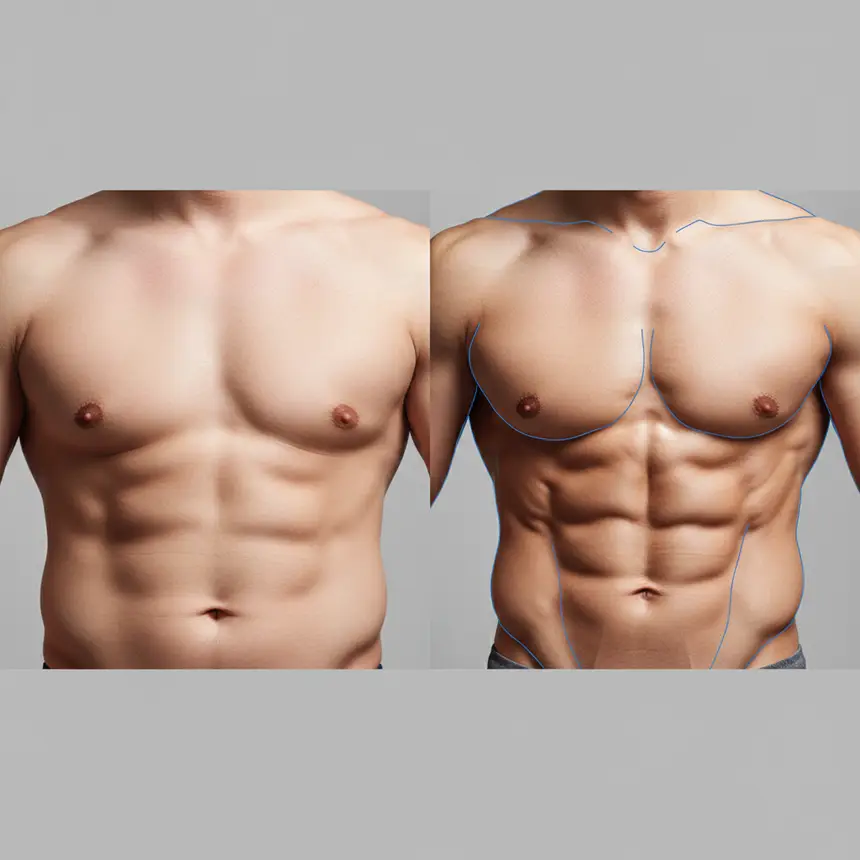
Obsessed with the Number? Why Body Fat Percentage Matters More Than Weight
When you aim for a healthy, toned body, what number do you focus on first? Many people get fixated on the scale. However, there's a more critical metric that truly dictates your physical appearance and overall health: your body fat percentage (BFP). Focusing on reducing your BFP is far more impactful than just dropping pounds. Your body weight is a sum of muscle mass, water, fat, and other components. If you lose muscle along with fat, your body can become fatigued, and achieving a sculpted physique will be challenging. Conversely, effectively managing your BFP leads to a leaner, healthier appearance and a more energetic body, even if the scale doesn't drastically change. Let's explore how strategic exercise and diet can help you achieve a true body transformation by reducing body fat.

Unpacking Body Fat Accumulation: It's More Than Just Calories
Many believe body fat accumulation is solely due to overeating. While excessive caloric intake is a significant factor, the reasons hindering body fat reduction are more complex. A primary culprit is a 'lack of physical activity.' When your activity levels drop, the energy you consume isn't adequately burned and tends to be stored as fat. Additionally, an 'imbalanced diet' plays a huge role. Insufficient protein and complex carbohydrate intake, coupled with excessive consumption of refined carbs, sugars, and unhealthy fats, can lead to repeated blood sugar spikes and insulin responses, promoting fat storage. Moreover, stress and irregular sleep patterns can cause hormonal imbalances that contribute to increased body fat. To effectively lower your BFP, it's crucial to understand these multifaceted causes and adopt a balanced approach.
※ This post contains affiliate links. I may earn a commission at no extra cost to you.

The Core Elements of an Effective Fat Loss Program: Exercise and Nutrition
Reducing body fat percentage is rarely achieved through a single method. The most effective results come from a balanced integration of exercise and diet.
Optimizing Physical Activity: The Synergy of Strength and Cardio
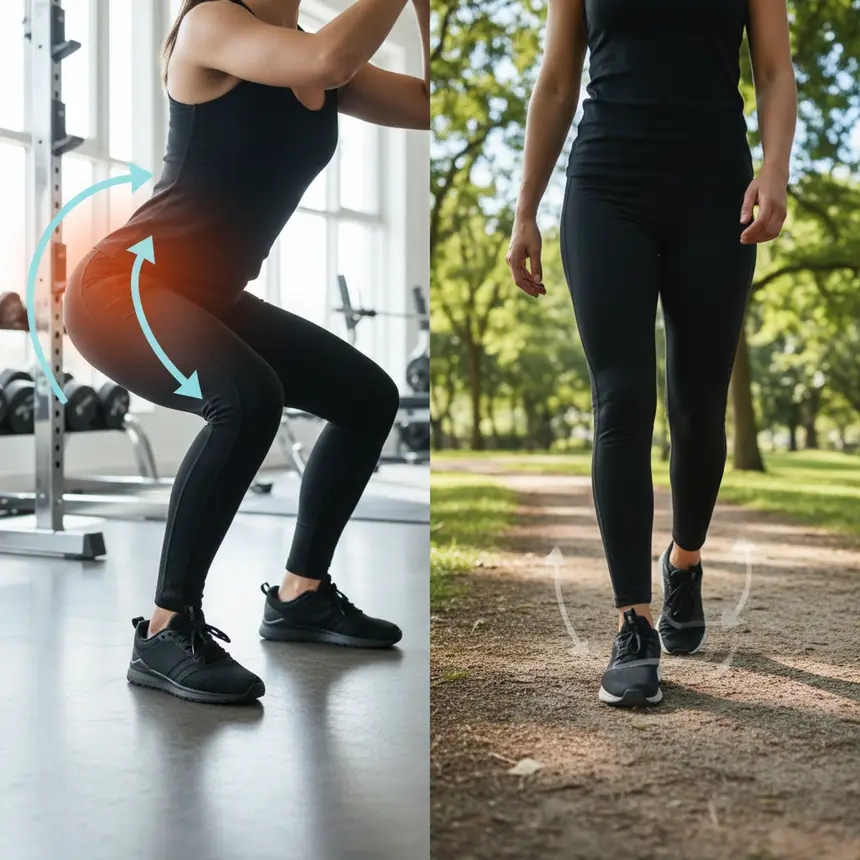
To burn fat and build muscle, combining strength training with cardio is essential. Strength training boosts your metabolism and creates an environment where your body can burn fat more efficiently. Aim for 2-3 sessions per week focusing on 'compound movements' like squats, lunges, hip bridges, and planks, which engage multiple muscle groups. These exercises consume more energy and are vital for building a toned physique. Cardio, on the other hand, strengthens your cardiovascular system and directly aids in fat burning. Incorporate brisk walking, light jogging, cycling, or stair climbing 3-5 times per week for at least 30 minutes, maintaining a moderate heart rate. Prioritize consistency over extreme intensity; gradually increasing your effort in a sustainable way is key to long-term success.
Sustainable Nutritional Habits: Prioritizing Quality
Starvation diets often fail and can be detrimental to your health. A diet aimed at reducing body fat should focus on 'what to choose' rather than 'what to avoid.' Protein is central. Consume adequate amounts of high-quality protein at every meal—think chicken breast, eggs, tofu, fish, or lean cuts of meat—to preserve muscle mass and maintain satiety. For carbohydrates, opt for 'complex carbs' like brown rice, sweet potatoes, and oats instead of white bread, sugary snacks, or beverages. This helps stabilize blood sugar and provides sustained energy. Don't forget 'healthy fats' from sources like avocados, nuts, and olive oil to ensure you're getting essential nutrients. When eating, slow down and chew thoroughly. Choosing foods that require more chewing over quick-to-swallow options like soups or soft breads can significantly improve feelings of fullness.
Optimizing Physical Activity: The Synergy of Strength and Cardio
To burn fat and build muscle, combining strength training with cardio is essential. Strength training boosts your metabolism and creates an environment where your body can burn fat more efficiently. Aim for 2-3 sessions per week focusing on 'compound movements' like squats, lunges, hip bridges, and planks, which engage multiple muscle groups. These exercises consume more energy and are vital for building a toned physique. Cardio, on the other hand, strengthens your cardiovascular system and directly aids in fat burning. Incorporate brisk walking, light jogging, cycling, or stair climbing 3-5 times per week for at least 30 minutes, maintaining a moderate heart rate. Prioritize consistency over extreme intensity; gradually increasing your effort in a sustainable way is key to long-term success.
Sustainable Nutritional Habits: Prioritizing Quality
Starvation diets often fail and can be detrimental to your health. A diet aimed at reducing body fat should focus on 'what to choose' rather than 'what to avoid.' Protein is central. Consume adequate amounts of high-quality protein at every meal—think chicken breast, eggs, tofu, fish, or lean cuts of meat—to preserve muscle mass and maintain satiety. For carbohydrates, opt for 'complex carbs' like brown rice, sweet potatoes, and oats instead of white bread, sugary snacks, or beverages. This helps stabilize blood sugar and provides sustained energy. Don't forget 'healthy fats' from sources like avocados, nuts, and olive oil to ensure you're getting essential nutrients. When eating, slow down and chew thoroughly. Choosing foods that require more chewing over quick-to-swallow options like soups or soft breads can significantly improve feelings of fullness.
Cultivating Small Habits for Long-Term Success
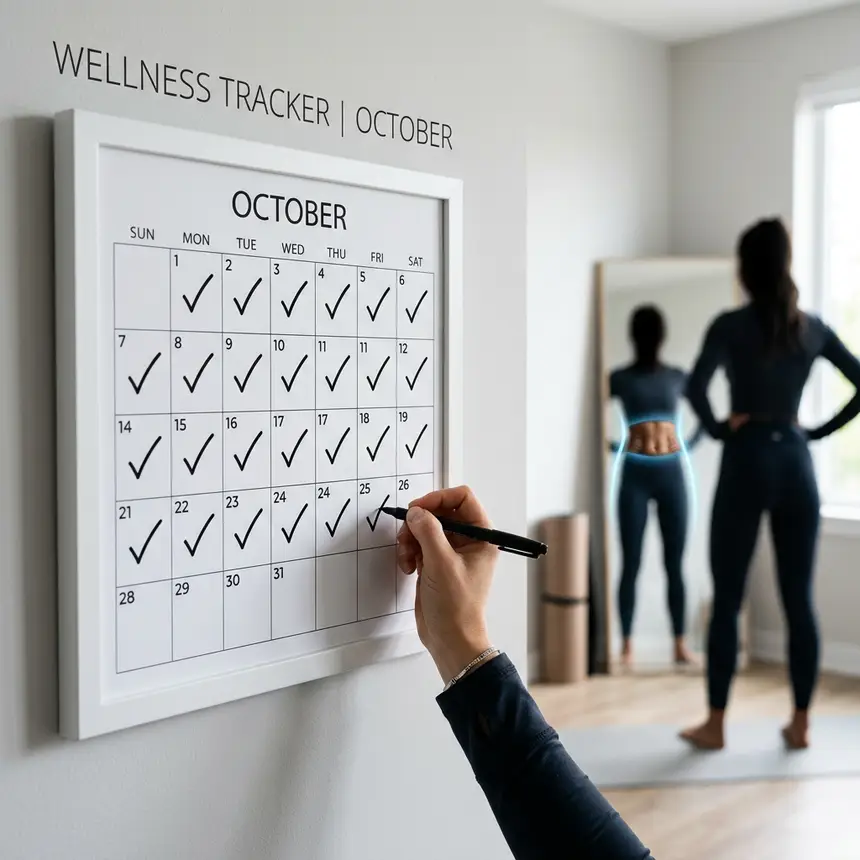
Reducing body fat is a marathon, not a sprint. Instead of expecting dramatic overnight results, it's crucial to build small, sustainable habits. Instead of obsessing over the number on the scale, observe your body's changes in various ways. For instance, notice if your clothes fit better, if your waistline has shrunk, or if climbing stairs feels easier and your body feels lighter. Focusing on these positive, everyday changes can be a powerful motivator. When planning your workouts, set realistic goals like 'four short sessions a week consistently' rather than 'seven perfect days.' The same flexibility applies to your diet; instead of striving for perfection every single day, don't give up if you have an off-meal—simply return to healthy choices for your next meal. Adequate hydration and regular sleep are also critical for body fat management, so don't overlook them. Small habits, consistently practiced, lead to significant transformations.

Your Body Fat Journey: Balance and Persistence Are Key
The journey to effectively lower your body fat percentage isn't achieved by merely starving yourself or engaging in a single type of exercise. It necessitates a harmonious blend of strength training and cardio, coupled with a balanced diet rich in protein and complex carbohydrates. When these elements are combined with a positive awareness of your body's progress and a flexible mindset that prioritizes consistency over perfection, you will achieve sustainable results. Remember, your body won't transform overnight. However, the accumulation of small, daily efforts will eventually sculpt the healthy, vibrant body you envision. Be patient and persistent. Your dedication will undoubtedly lead to a remarkable transformation.
Frequently Asked Questions
Q. What's the most important type of exercise for reducing body fat percentage?
A. Both strength training and cardio are crucial for body fat reduction. Strength training builds muscle to boost metabolism, while cardio directly promotes fat burning. Combining compound exercises like squats and lunges with brisk walking or jogging is highly effective.
Q. Do I need to completely eliminate carbohydrates to effectively reduce body fat?
A. Completely eliminating carbohydrates often leads to unsustainability and rebound weight gain. The key is to consume 'quality carbohydrates' in appropriate amounts. Opt for complex carbs like brown rice, sweet potatoes, and oats over refined carbs and sugary foods to manage blood sugar and provide sustained energy.
Q. How long does it typically take to see noticeable results when reducing body fat?
A. Results vary by individual, but generally, you can start to notice positive changes in how your clothes fit or in the mirror after 4-8 weeks of consistent exercise and diet. Focusing on improvements in your energy levels, comfort in clothing, and overall vitality can be more motivating than just the scale number.
Q. How does protein intake after exercise affect body fat reduction?
A. Consuming protein after exercise aids in muscle repair and growth. This, in turn, helps increase your basal metabolic rate, which is beneficial for long-term body fat reduction. Aim to consume lean protein sources or a protein supplement within 30-60 minutes post-workout.
Q. Should I completely avoid alcohol while trying to reduce body fat?
A. Alcohol can impede body fat reduction. It's high in calories and can inhibit fat burning while promoting fat storage in the body. It's best to avoid it if possible, but if you must drink, limit your intake and choose low-calorie, high-protein snacks.