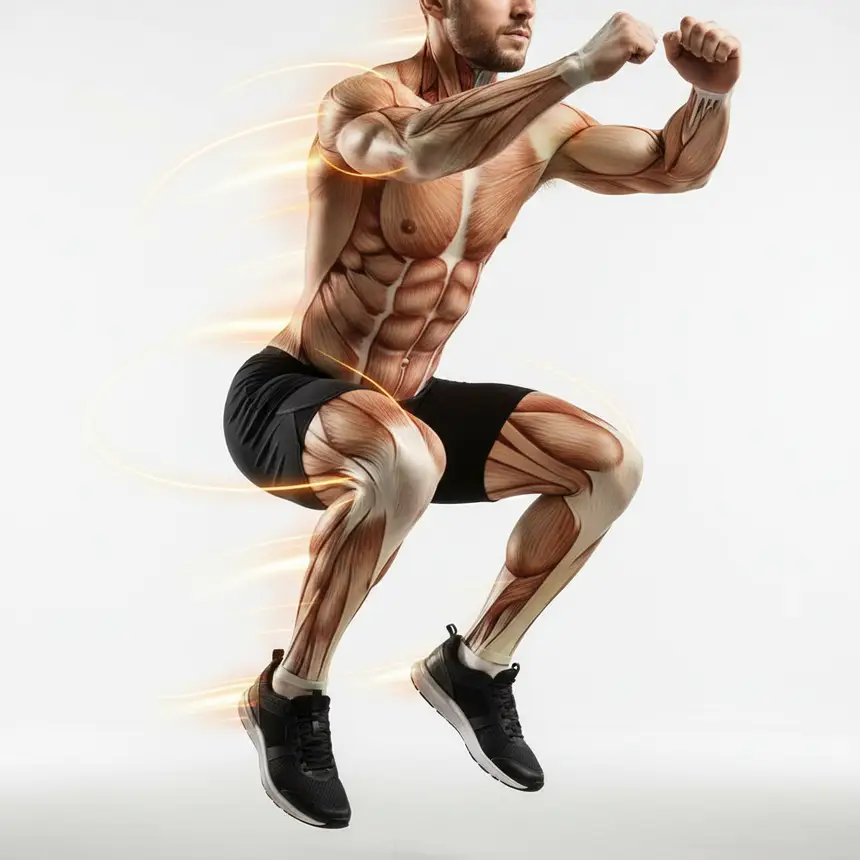
Discover an effective gym routine for powerful shoulders and arms. From dumbbell presses to lateral raises, learn proper form and precautions to safely strengthen your upper body and sculpt defined lines.
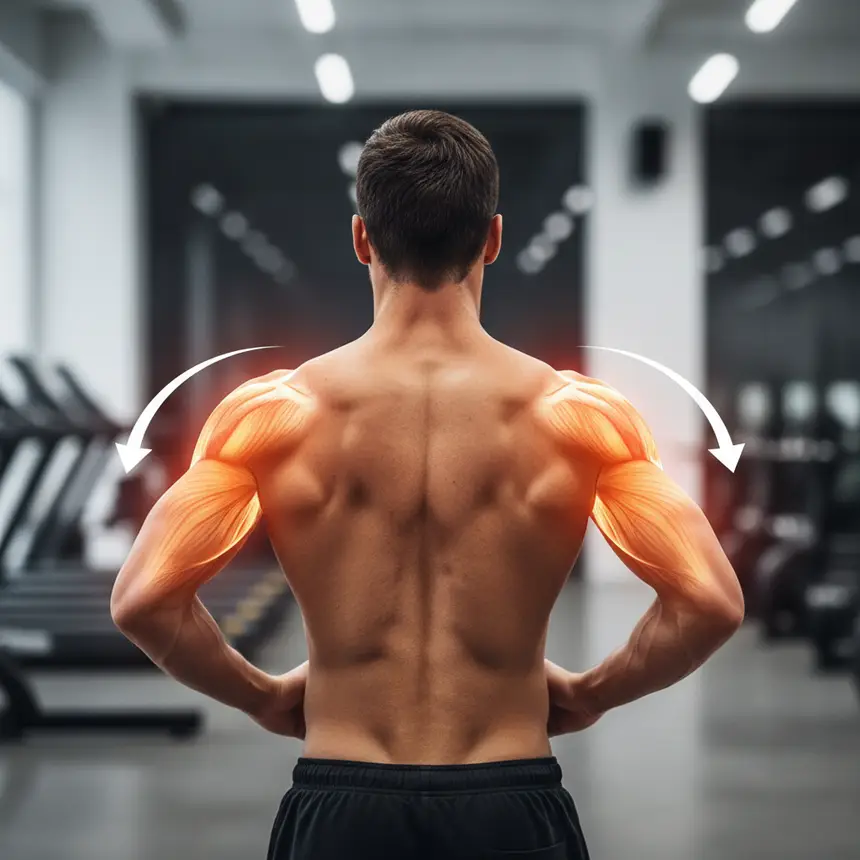
Sculpt a Strong, Balanced Upper Body You'll Love
Developing well-defined shoulders and strong arms isn't just about aesthetics; it significantly boosts your daily energy levels and enhances your overall athletic performance. Consistent upper body strength training can improve your posture, aid in maintaining body balance, and functionally strengthen your shoulders and arms, thereby minimizing the risk of injury. This workout routine focuses specifically on exercises for the shoulders and arms, offering effective methods suitable for both beginners and experienced lifters. By following this guide, you'll soon experience the benefits of a powerful and well-proportioned upper body.
Essential Shoulder and Arm Exercises for Maximum Gains
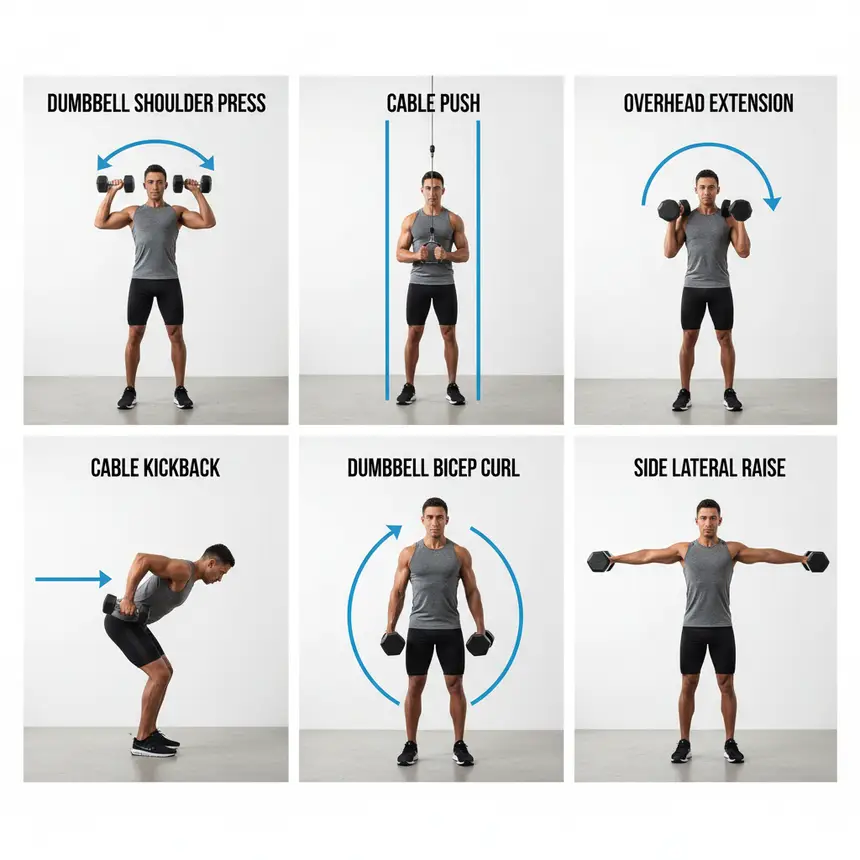
This routine is designed to engage all parts of your shoulders—front, side, and rear—along with your biceps and triceps, promoting comprehensive upper body strength development. Executing each exercise with proper form is paramount, and you should adjust the weight and repetitions to match your personal fitness level.
- Dumbbell Shoulder Press: A cornerstone exercise for strengthening the front and side deltoids. Sit or stand, hold dumbbells at shoulder height with a slight bend in your elbows, and press them overhead. Lower the weights slowly, feeling the resistance, back to the starting position. Aim for 3-4 sets of 12-15 repetitions.
- Cable Press Variation: Cable exercises, performed at various heights, are excellent for stimulating different angles of the shoulder. Set the cable at shoulder height, grasp the handle, and press your arm forward. Focus on the contraction of your shoulder muscles, completing 4 sets of 15 repetitions.
- Overhead Extension (Triceps): This exercise targets the triceps, located at the back of your upper arm. Hold one dumbbell with both hands, extend it overhead, keeping your elbows fixed, and slowly lower the dumbbell behind your head. Then, extend your arms to lift it back up. Ensure your elbows don't flare out too wide. Perform 3-4 sets of 10-15 repetitions.
- Cable Kickback (Triceps): An effective isolation exercise for the triceps. Set the cable to its lowest position, grab the handle, lean forward slightly, keep your elbow tucked close to your side, and extend your arm straight back. Focus on a strong triceps contraction for 4 sets of 15 repetitions.
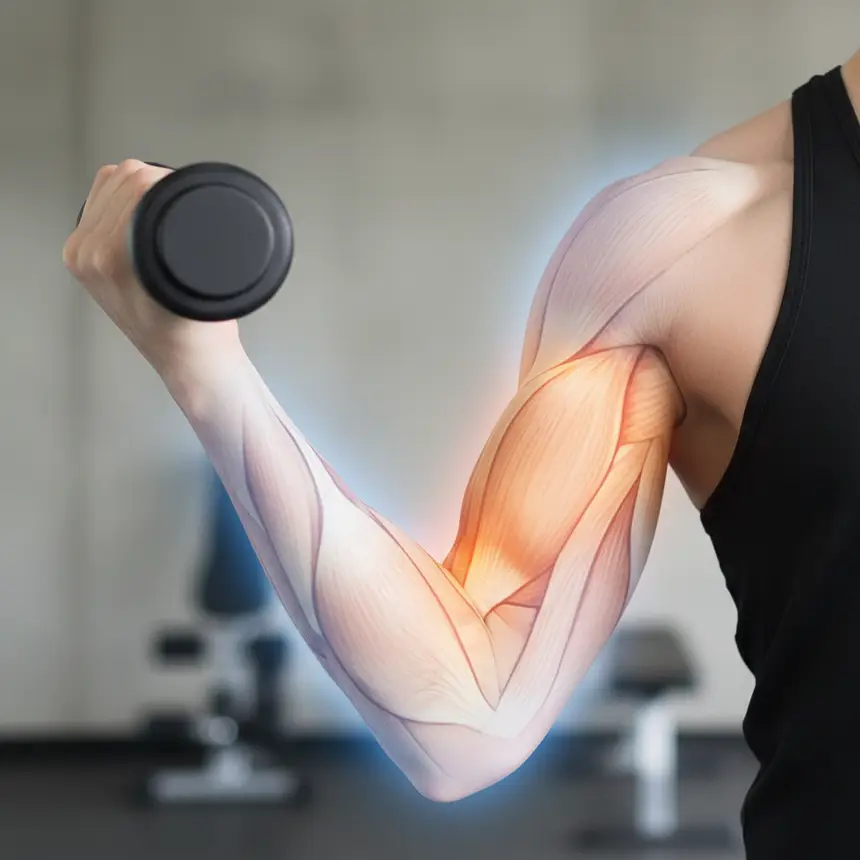
- Dumbbell Bicep Curl: A fundamental exercise for building the biceps, the muscles on the front of your upper arm. Hold dumbbells in each hand, keep your elbows tucked at your sides, and curl the weights upwards using only your bicep strength. Control the movement as you slowly lower the dumbbells. We recommend 3-4 sets of 12-15 repetitions.
- Side Lateral Raise: Crucial for developing the side deltoids, contributing to broader, more balanced shoulders. Hold light dumbbells in each hand, with a slight bend in your elbows, and raise your arms out to the sides until they are slightly above shoulder height. Concentrate on feeling the burn in your shoulder muscles. Aim for 3-5 sets of 15-20 repetitions, totaling around 100 reps for excellent shoulder definition.
※ This post contains affiliate links. I may earn a commission at no extra cost to you.

Maximize Your Workout: Key Considerations and Who Benefits Most
Consistency and precise form are the cornerstones of effective shoulder and arm training. Always begin your workout with adequate stretching and a warm-up to prepare your muscles. During the exercises, focus on feeling the muscle engagement, not pain. When choosing weights, prioritize perfect form over lifting heavy; select a weight that allows you to complete 12-15 repetitions with good technique. While progressive overload is essential for muscle growth—gradually increasing weight, reps, or sets—lifting excessively heavy weights can lead to injury. The shoulder joint is particularly delicate, so if you experience any pain, stop the exercise immediately and rest.
This routine is highly recommended for individuals who:
This routine is highly recommended for individuals who:
- Are looking to achieve a toned and balanced upper body physique.
- Aim to improve the strength and endurance of their shoulder and arm muscles.
- Engage in daily activities that heavily use their arms and seek functional strength enhancement.
- Enjoy working out with a partner for added motivation and support.
Frequently Asked Questions
Q. Is it beneficial to combine shoulder and arm workouts?
A. Absolutely, training shoulders and arms together can create a synergistic effect for upper body strength. Following a routine that integrates bicep and tricep exercises after shoulder work, as suggested here, can lead to more efficient overall upper body development. However, remember to allow for adequate rest and nutrition to support muscle recovery.
Q. What should I do if I feel shoulder pain during dumbbell shoulder presses?
A. If you experience pain during dumbbell shoulder presses, stop immediately and reassess your form. Pain often arises from letting your elbows go too far back or using excessive weight. Try reducing the weight, keeping your elbows slightly in front of your shoulders, and performing the movement slowly and with control. Seeking guidance from a fitness professional can also be very helpful.
Q. Is it more effective to use light weights for high reps during side lateral raises?
A. Yes, for side lateral raises, which target the definition and endurance of the lateral deltoids, it is generally more effective to use lighter weights with higher repetitions (15-20+ reps) while maintaining precise form. Using heavy weights can often lead to excessive engagement of the trapezius muscles, diminishing the isolation of the side deltoids.
Q. Can I do an effective arm workout at home without a gym?
A. Definitely! If you have dumbbells, you can perform exercises like dumbbell bicep curls and overhead extensions. Without dumbbells, bodyweight exercises such as chair dips (for triceps), various push-up modifications (for triceps and shoulders), and resistance band bicep curls can effectively stimulate your arm muscles.
Q. Should I always lift the same weight for upper body strength training?
A. No, to promote muscle growth, you need to apply the principle of progressive overload, gradually increasing the weight, repetitions, or sets over time. Lifting the same weight repeatedly will prevent your muscles from receiving the necessary stimulus for growth. However, it's crucial to ensure that your form remains excellent as you increase the load.