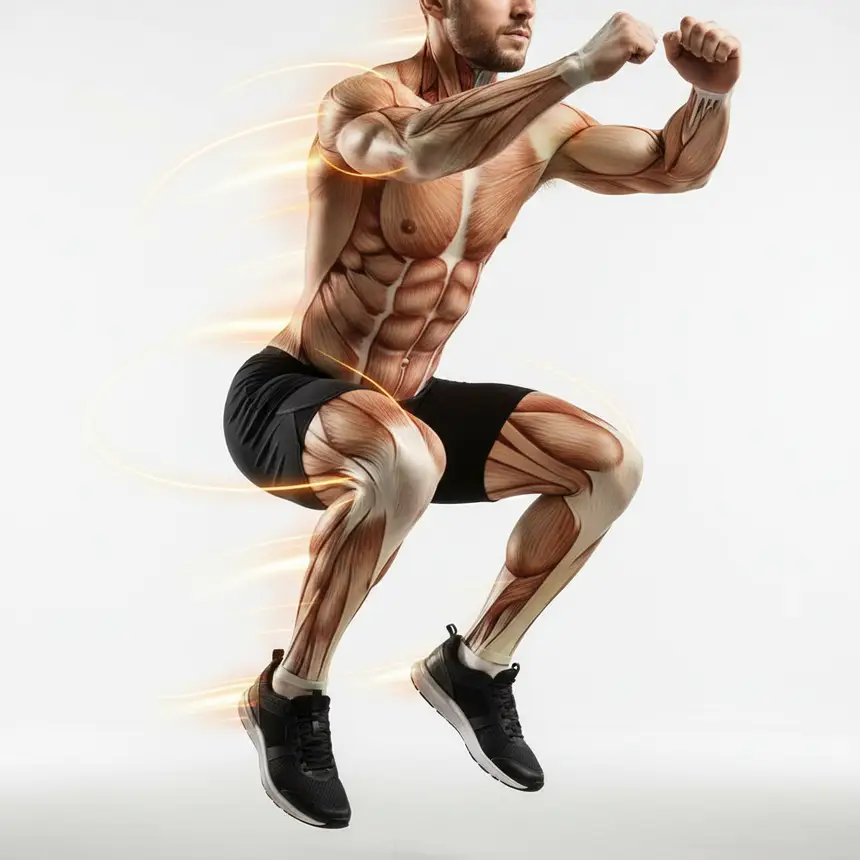
Strengthening calf muscles requires more than just repetitions. Learn the secrets to building healthy, toned calves, from anatomical understanding to preventing common mistakes, correct posture, and varied routines for effective calf exercise.

Are Your Calf Workouts Falling Flat?
Do you diligently perform calf raises day after day, yet feel frustrated by the lack of noticeable change in muscle definition or overall leg shape? Or perhaps you're experiencing persistent soreness or discomfort after your calf workouts? Many fitness enthusiasts, despite their commitment to strengthening their calves, often encounter roadblocks due to ineffective approaches. It's not just about how 'much' you exercise, but rather 'how' you exercise that truly matters for robust calf development.

Understanding Your Calves and Common Missteps
Your calf isn't just one big muscle. It's primarily comprised of two key muscles: the gastrocnemius and the soleus, both crucial for ankle movement and lower leg stability. The gastrocnemius is more active when your knee is straight, playing a significant role in powerful, explosive movements. The soleus, on the other hand, works harder when your knee is bent, contributing to endurance and postural stability. Overlooking these distinct functions can lead to inefficient workouts. Here are common mistakes to avoid:
- Skipping the Warm-up: Diving straight into intense exercises without proper warm-up or stretching can reduce muscle elasticity, significantly increasing your risk of injury.
- One-Dimensional Training: Many people focus exclusively on standing calf raises, primarily targeting the gastrocnemius. This often neglects the soleus, leading to imbalanced development and limiting overall calf strength.
- Lack of Progressive Resistance: Relying solely on bodyweight exercises might not provide sufficient stimulus for muscle growth. Muscles adapt and strengthen when continually challenged with increasing resistance.
※ This post contains affiliate links. I may earn a commission at no extra cost to you.


Effective Exercises to Target Both Key Calf Muscles
To build strong, well-balanced calf muscles, you need a routine that effectively stimulates both the gastrocnemius and soleus. Incorporate these exercises into your regimen:
- Standing Calf Raises: This exercise primarily targets the gastrocnemius. Start with your heels on the floor, then push up onto the balls of your feet as high as possible, pausing briefly at the top before slowly lowering back down. To increase intensity, hold dumbbells or perform single-leg raises. Aim for 3 sets of 15-20 repetitions.
- Seated Calf Raises: This is ideal for isolating the soleus muscle. Sit on a bench or chair with your knees bent at a 90-degree angle. Place a weight plate or dumbbell on your thighs near your knees, then lift your heels by pushing up with the balls of your feet. Again, focus on a full range of motion, squeezing at the top and fully stretching at the bottom. Aim for 3 sets of 15-20 repetitions. Ensure controlled movements throughout each repetition, avoiding bouncing.

Strategies for Consistent Growth and Progress
Calf muscles are among the most frequently used muscles in daily life, so dedicated training and recovery strategies are crucial for their growth and strengthening. Apply these principles to maximize your workout effectiveness:
- Establish a Regular Training Schedule: Aim to include calf exercises in your routine at least 2-3 times per week. Consistency is paramount for muscle development. Even short, focused 5-10 minute sessions daily can be beneficial.
- Implement Progressive Overload: Muscles grow when they are subjected to incrementally greater demands. Once bodyweight exercises become easy, gradually increase the resistance by using dumbbells, barbells, or dedicated gym equipment. This challenges your muscles in new ways, promoting further development.
- Prioritize Adequate Recovery and Stretching: Always follow your workouts with thorough calf stretches to improve flexibility. Ensure you allow sufficient rest between sessions. Rest days are when your muscles repair and rebuild, becoming stronger than before.

Achieve Stronger Lower Legs Through Smart Calf Training
Strong, well-developed calf muscles offer more than just aesthetic appeal; they significantly enhance the efficiency and stability of all lower body movements, from walking and running to jumping. You now understand that effective calf training goes beyond mere repetitions – it demands an understanding of muscle anatomy and a strategic approach. Starting today, apply these principles and exercise methods to craft your own effective routine and consistently work towards your goals. Even small adjustments can lead to remarkable improvements in your lower body health. Train smart, stay safe, and achieve the strong, healthy calves you desire.
Frequently Asked Questions
Q. Are there specific precautions I should take during calf exercises?
A. Yes, it's crucial to perform adequate stretching before and after your workout. Pay close attention to your ankle joint during exercises, avoiding abrupt or bouncy movements when lowering your heels, as this can strain the Achilles tendon. Controlled, slow movements are key.
Q. My calf muscles are very sore; should I keep exercising?
A. If you're experiencing severe muscle soreness, it's generally best to allow for adequate rest rather than pushing through the pain. While soreness can be a part of muscle recovery and growth, if it's extreme or lasts for more than a few days, consulting a fitness professional is advisable. Gentle stretching or massage may aid in recovery.
Q. Is it okay to do calf exercises every day?
A. While calf muscles tend to recover relatively quickly, proper rest is still essential for muscle growth. Instead of daily high-intensity workouts, a routine of 2-3 times per week, coupled with rest or lighter activities on other days, is often more effective. If you prefer daily exercise, consider reducing the intensity or alternating calf workouts with other muscle groups.
Q. My calves don't seem to be developing well. What could be the reason?
A. While genetics play a role, often the issue lies in the training approach. You might not be engaging both the gastrocnemius and soleus with varied exercises, or you might not be applying enough progressive resistance. Additionally, not using a full range of motion or failing to allow sufficient recovery time can also hinder development.
Q. Why are seated calf raises so important?
A. Seated calf raises are performed with bent knees, which significantly reduces the involvement of the gastrocnemius, thereby isolating and intensely activating the soleus muscle. The soleus plays a vital role in lower leg stability and endurance, making seated calf raises essential for balanced and comprehensive calf muscle development.