Discover the optimal workout order for effective belly fat reduction. Maximize your fat-burning efficiency by strategically combining resistance training and cardio, and achieve your desired physique.
The Undeniable Impact of Workout Sequencing on Fat Loss
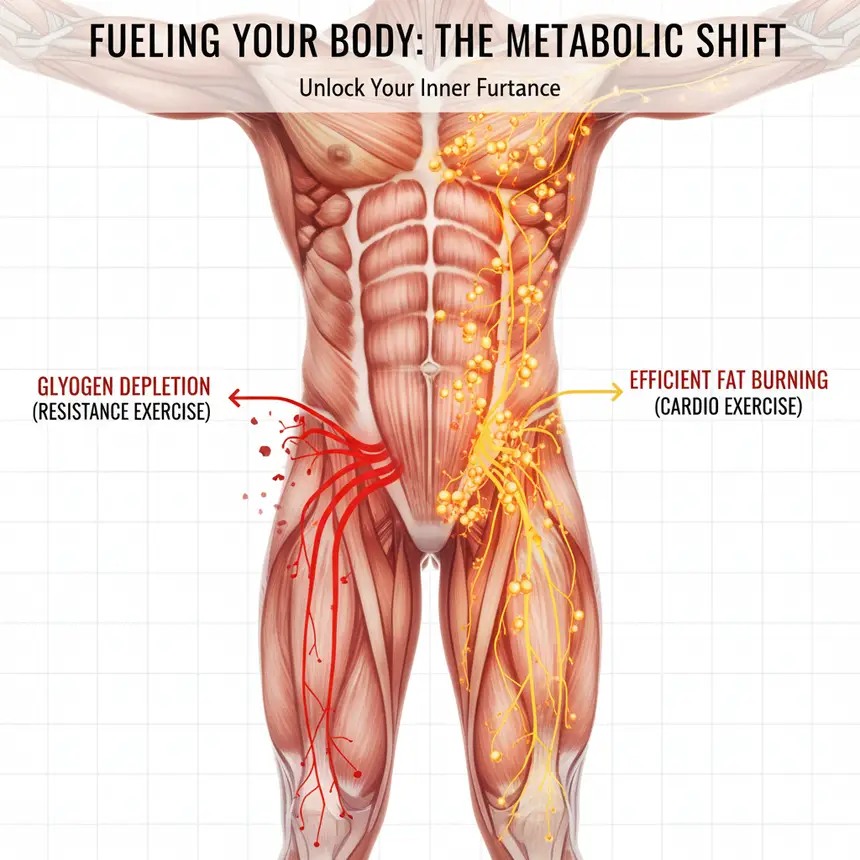
Many individuals consistently hit the gym and manage their diet, yet often find stubborn abdominal fat remains. A critical, yet often overlooked, factor influencing this outcome is the order in which exercises are performed. The sequence of your workout can profoundly alter how your body utilizes energy, leading to significant differences in belly fat reduction. Our bodies primarily draw energy from glycogen, stored carbohydrates in muscles and the liver. High-intensity activities like resistance training rapidly deplete these glycogen stores. In contrast, aerobic exercises like walking or running initially use glycogen but gradually transition to burning fat as their primary fuel source. The key insight here is that if you deplete glycogen through resistance training first, your body will begin burning a much higher percentage of fat from the outset of your subsequent cardio session. Simply adjusting your workout order can fast-track the timing of fat burning.
Research supports this approach. A study involving groups performing the same total workout volume, but with different sequences, showed compelling results. The group that started with resistance training experienced approximately a 4% reduction in body fat and a 5% reduction in abdominal fat. The cardio-first group, however, saw only about a 2% and 3% reduction, respectively. This demonstrates nearly double the effectiveness just by altering the sequence. Furthermore, the resistance-first group naturally increased their daily physical activity by an average of 3,500 steps, showing a spillover effect into their daily lives. Scientific studies even suggest that resistance exercise stimulates fat cell burning by releasing specific cellular messengers. Therefore, resistance training isn't just about building muscle; it actively signals your entire body to burn fat. Strategic workout sequencing is a non-negotiable component if your goal is to effectively reduce belly fat.
Research supports this approach. A study involving groups performing the same total workout volume, but with different sequences, showed compelling results. The group that started with resistance training experienced approximately a 4% reduction in body fat and a 5% reduction in abdominal fat. The cardio-first group, however, saw only about a 2% and 3% reduction, respectively. This demonstrates nearly double the effectiveness just by altering the sequence. Furthermore, the resistance-first group naturally increased their daily physical activity by an average of 3,500 steps, showing a spillover effect into their daily lives. Scientific studies even suggest that resistance exercise stimulates fat cell burning by releasing specific cellular messengers. Therefore, resistance training isn't just about building muscle; it actively signals your entire body to burn fat. Strategic workout sequencing is a non-negotiable component if your goal is to effectively reduce belly fat.

The 4-Phase Workout Routine to Target Abdominal Fat
To effectively target abdominal fat, integrate the following four-phase routine into your fitness regimen. This sequence is designed to maximize energy utilization and amplify fat-burning efficiency.
Phase 1: Warm-up (5-10 minutes)
Preparing your body before exercise is crucial not only for injury prevention but also for boosting the efficacy of your subsequent workout. Begin with light aerobic movements such as marching in place or arm circles, followed by dynamic stretches. This gradually increases your core body temperature and enhances joint mobility.
Phase 2: Resistance Training (30-50 minutes)
This is the pivotal phase for sending critical fat-burning signals throughout your body. Focus on compound movements that engage large muscle groups, such as squats, lunges, and push-ups. Incorporating core-specific exercises like planks or various crunch modifications during this stage can further amplify abdominal fat reduction. Aim to sufficiently deplete glycogen stores, taking appropriate rest intervals between sets. Dedicate 30 to 50 minutes to this intensive phase.
Phase 3: Cardio Exercise (20-40 minutes)
With glycogen stores significantly reduced from resistance training, your body is primed to use fat as its primary fuel source during this phase. Choose a moderate-intensity aerobic activity that suits you, such as brisk walking, jogging, cycling, or using an elliptical machine, and maintain it for 20 to 40 minutes. Moderate intensity cardio is highly effective for promoting fat oxidation.
Phase 4: Cool-down (5-10 minutes)
Conclude your workout by gradually lowering your heart rate and releasing muscle tension through a cool-down. Perform static stretches, which aid in muscle recovery and enhance flexibility. Post-workout stretching is an essential step in preparing your body for the next session. By consistently following this 4-phase routine, you'll be well on your way to achieving your desired results.
Phase 1: Warm-up (5-10 minutes)
Preparing your body before exercise is crucial not only for injury prevention but also for boosting the efficacy of your subsequent workout. Begin with light aerobic movements such as marching in place or arm circles, followed by dynamic stretches. This gradually increases your core body temperature and enhances joint mobility.
Phase 2: Resistance Training (30-50 minutes)
This is the pivotal phase for sending critical fat-burning signals throughout your body. Focus on compound movements that engage large muscle groups, such as squats, lunges, and push-ups. Incorporating core-specific exercises like planks or various crunch modifications during this stage can further amplify abdominal fat reduction. Aim to sufficiently deplete glycogen stores, taking appropriate rest intervals between sets. Dedicate 30 to 50 minutes to this intensive phase.
Phase 3: Cardio Exercise (20-40 minutes)
With glycogen stores significantly reduced from resistance training, your body is primed to use fat as its primary fuel source during this phase. Choose a moderate-intensity aerobic activity that suits you, such as brisk walking, jogging, cycling, or using an elliptical machine, and maintain it for 20 to 40 minutes. Moderate intensity cardio is highly effective for promoting fat oxidation.
Phase 4: Cool-down (5-10 minutes)
Conclude your workout by gradually lowering your heart rate and releasing muscle tension through a cool-down. Perform static stretches, which aid in muscle recovery and enhance flexibility. Post-workout stretching is an essential step in preparing your body for the next session. By consistently following this 4-phase routine, you'll be well on your way to achieving your desired results.
※ This post contains affiliate links. I may earn a commission at no extra cost to you.


Sustainable Strategies for Ongoing Abdominal Fat Loss
Understanding the most effective workout order is just the first step; consistently applying it and maintaining the routine in your daily life is equally crucial. It's not simply about exercising more; excessive training can elevate cortisol levels, a stress hormone linked to increased abdominal fat storage, so finding the right balance is key. A realistic and sustainable approach involves following this routine 3-4 times a week, with each session lasting between 60 to 90 minutes.
To ensure your resistance training remains effective, implement the principle of progressive overload. Begin with weights or resistance levels you can manage, and gradually increase the load or repetitions over time to continually challenge your muscles. This promotes muscle growth and boosts your basal metabolic rate, meaning your body burns more calories even at rest. Furthermore, recovery is as vital as the workout itself. Adequate sleep and a balanced, nutritious diet are essential for muscle repair and growth, optimizing overall bodily function. Finally, consider keeping a workout journal to track your progress, celebrate small victories, and maintain motivation. Consistency, ultimately, is what drives lasting change.
To ensure your resistance training remains effective, implement the principle of progressive overload. Begin with weights or resistance levels you can manage, and gradually increase the load or repetitions over time to continually challenge your muscles. This promotes muscle growth and boosts your basal metabolic rate, meaning your body burns more calories even at rest. Furthermore, recovery is as vital as the workout itself. Adequate sleep and a balanced, nutritious diet are essential for muscle repair and growth, optimizing overall bodily function. Finally, consider keeping a workout journal to track your progress, celebrate small victories, and maintain motivation. Consistency, ultimately, is what drives lasting change.

Common Workout Pitfalls to Avoid and Who Benefits Most
Just as understanding the importance of workout order is key, avoiding common mistakes is equally vital for achieving your abdominal fat loss goals.
Common Mistakes to Avoid
Who This Approach Is For
Adjusting your workout order might seem like a minor change, but it's a fundamental shift in how your body uses energy. By consistently applying this principle, you'll not only reduce belly fat but also transition your body into a healthier state that is less prone to fat accumulation. Start implementing this strategic change in your routine today and witness the transformation.
Common Mistakes to Avoid
- Prioritizing excessive cardio: Engaging in prolonged cardio before resistance training can deplete the energy needed for strength exercises, reducing their intensity and hindering muscle growth. This also impedes long-term basal metabolic rate improvements.
- Over-training: The belief that 'more is better' can lead to overexertion, causing your body to release excessive cortisol. Since cortisol is linked to abdominal fat accumulation, this can paradoxically counteract your fat loss efforts.
Who This Approach Is For
- Individuals struggling with stubborn belly fat: If you're working hard but not seeing the desired changes around your midsection, a strategic adjustment to your workout order is likely needed.
- Those seeking overall body composition improvement: Beyond just weight loss, if you aim for a leaner, more toned physique, this routine is highly effective.
- People wanting to maximize workout efficiency: If you have limited time and want to achieve the greatest possible fat-burning effect, an energy-system-aware workout sequence is essential.
Adjusting your workout order might seem like a minor change, but it's a fundamental shift in how your body uses energy. By consistently applying this principle, you'll not only reduce belly fat but also transition your body into a healthier state that is less prone to fat accumulation. Start implementing this strategic change in your routine today and witness the transformation.
Frequently Asked Questions
Q. Why is it recommended to do resistance training before cardio?
A. Starting with resistance training effectively depletes your body's glycogen stores. This primes your body to utilize fat as a primary energy source more quickly and efficiently during your subsequent cardio session, maximizing fat burning.
Q. Will I still lose fat if I do cardio first?
A. You will still burn calories, but the efficiency for fat loss might be lower. When glycogen stores are full, your body will prioritize using them during cardio, meaning a smaller percentage of calories will come directly from fat, potentially slowing down abdominal fat reduction.
Q. How often should I follow this 4-phase routine?
A. It's generally recommended to follow this routine 3-4 times per week. Adequate rest days are crucial for muscle recovery and growth. Overtraining can elevate stress hormone levels, which may negatively impact fat storage.
Q. At what stage should I include abdominal exercises?
A. Incorporating core exercises, such as planks or crunches, into Phase 2 (resistance training) is highly effective. Engaging your abdominal muscles alongside large muscle group exercises creates a synergistic effect for overall strength and targeted fat reduction.
Q. How important is diet for belly fat reduction?
A. Diet management is as crucial as exercise. Even with the most efficient workout routine, excessive calorie intake or an unbalanced diet can hinder belly fat reduction. A balanced, nutritious diet must complement your exercise efforts for optimal results.