Discover how the dynamic flow of Vinyasa yoga can boost cardiovascular health and manage stress. Explore the benefits of this practice for balancing your body and mind, leading to a more energetic life.
Finding Your Balance: The Modern Quest for Well-being Amidst Daily Stress
In our fast-paced modern world, many of us find ourselves constantly battling chronic stress and fatigue, often overwhelmed by endless tasks and information overload. This relentless pressure isn't just mentally taxing; it can subtly, yet significantly, impact our cardiovascular health. If you've noticed yourself feeling weighed down, easily tired, or lacking energy, it might be time to explore methods that can restore balance to your body and mind. Yoga, particularly the dynamic flow of Vinyasa yoga, offers a powerful path to address these challenges and build a foundation for a healthier, more vibrant life, going beyond mere physical exercise to cultivate inner peace and equilibrium.
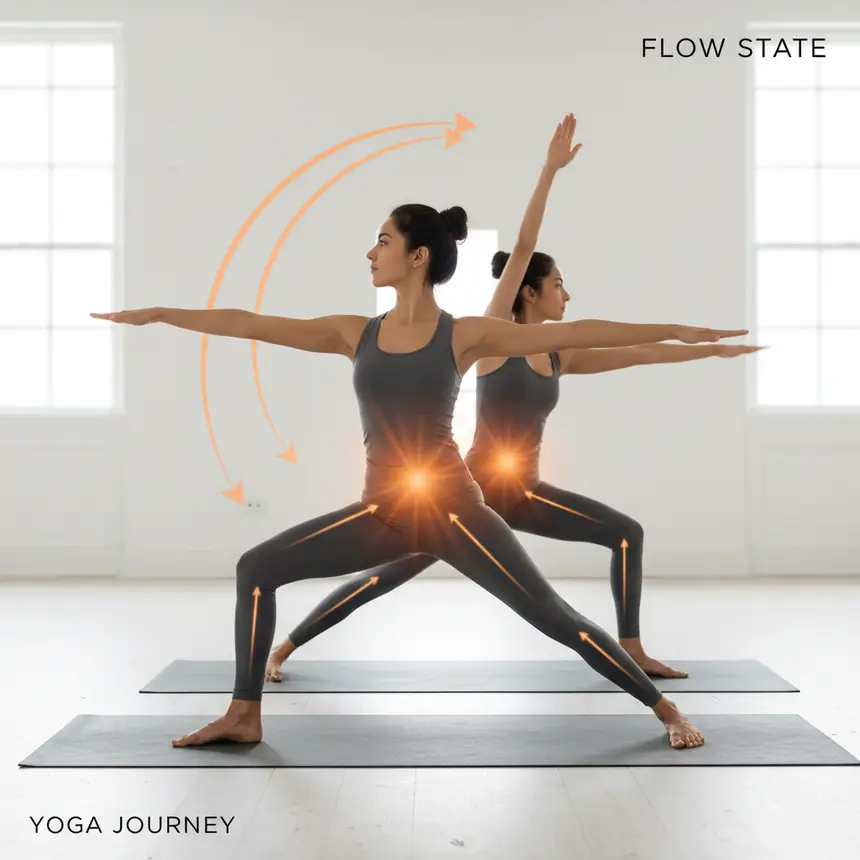
The Dynamic Benefits of Vinyasa Flow: Cultivating Vitality Through Movement and Breath
Vinyasa yoga is characterized by its seamless connection of movement with breath, flowing from one posture to the next in a fluid, continuous sequence. This uninterrupted movement provides a workout similar to aerobic exercise, effectively elevating your heart rate and strengthening cardiovascular health. The sustained activity helps to condition the heart, improve blood circulation throughout the body, and boost overall vitality. Specifically, it contributes to increased efficiency of the heart and lungs, which can lead to enhanced overall function of the cardiovascular system.
Beyond these physical advantages, Vinyasa yoga is a potent tool for mental well-being. The focus required to synchronize deep, conscious breaths with each movement helps quiet a busy mind and can assist in regulating stress hormone levels. Furthermore, it simultaneously builds flexibility and strength, positively impacting body balance and posture. For instance, routines like the Sun Salutations (Surya Namaskar), which link several poses in a repeated sequence, are prime examples of Vinyasa that engage full-body muscles and strengthen cardiorespiratory function. Consistent practice of such routines can help alleviate tension, playing a vital role in fostering healthy lifestyle habits.
2. Continuous Motion: Focus is on connected movements rather than holding static poses, enhancing the exercise effect.
3. Elevated Heart Rate: Similar to aerobic activity, it conditions the heart and promotes better blood circulation.
Beyond these physical advantages, Vinyasa yoga is a potent tool for mental well-being. The focus required to synchronize deep, conscious breaths with each movement helps quiet a busy mind and can assist in regulating stress hormone levels. Furthermore, it simultaneously builds flexibility and strength, positively impacting body balance and posture. For instance, routines like the Sun Salutations (Surya Namaskar), which link several poses in a repeated sequence, are prime examples of Vinyasa that engage full-body muscles and strengthen cardiorespiratory function. Consistent practice of such routines can help alleviate tension, playing a vital role in fostering healthy lifestyle habits.
- Key Elements of Vinyasa Yoga:
2. Continuous Motion: Focus is on connected movements rather than holding static poses, enhancing the exercise effect.
3. Elevated Heart Rate: Similar to aerobic activity, it conditions the heart and promotes better blood circulation.
※ This post contains affiliate links. I may earn a commission at no extra cost to you.


Sustaining Your Practice: Building a Healthier You Through Mindful Movement
Yoga is not a one-time event but a continuous journey. By consistently practicing Vinyasa yoga, we can cultivate a more vibrant and balanced physical self. Aim for a regular practice of 2-3 times a week, and crucially, listen to your body's responses during each session. Begin with shorter sessions and gradually increase your practice time, allowing yourself to experience the depth of each pose and the harmony of breath. This time spent focusing on yourself in quiet contemplation offers more than just exercise; it provides a meditative experience. This contributes to stress relief and improved concentration, significantly enhancing your quality of life through small, consistent changes.
However, it's essential to consult with a healthcare professional or an experienced yoga instructor before starting any new yoga practice, especially if you have specific health concerns or a history of injuries. Understanding your body's condition and choosing appropriate difficulty levels and poses are key to safe and effective practice. Remember, yoga is not about competition but about understanding and respecting your own body and mind. Approaching it with flexibility and adapting to your personal condition will make yoga a powerful tool for infusing positive energy into your life.
However, it's essential to consult with a healthcare professional or an experienced yoga instructor before starting any new yoga practice, especially if you have specific health concerns or a history of injuries. Understanding your body's condition and choosing appropriate difficulty levels and poses are key to safe and effective practice. Remember, yoga is not about competition but about understanding and respecting your own body and mind. Approaching it with flexibility and adapting to your personal condition will make yoga a powerful tool for infusing positive energy into your life.
Frequently Asked Questions
Q. How does yoga contribute to cardiovascular health?
A. Flowing yoga styles like Vinyasa elevate your heart rate, providing benefits similar to aerobic exercise. This helps condition the heart, improves blood circulation, and through stress management, can indirectly contribute to blood pressure stabilization, thereby supporting overall cardiovascular health.
Q. What distinguishes Vinyasa yoga from other yoga styles?
A. Vinyasa yoga is characterized by its continuous, fluid connection of poses with breath. Unlike more static styles, it emphasizes dynamic movement, which increases cardiovascular benefits and generates internal heat, effective for enhancing flexibility and strength.
Q. Are there any specific considerations before starting yoga, especially with health concerns?
A. Yes, if you have any pre-existing health conditions or past injuries, it's crucial to consult with a healthcare professional or a qualified yoga instructor before beginning your practice. They can help you tailor a practice plan that is safe and appropriate for your specific needs, ensuring a gradual and mindful approach.
Q. Do I need to practice yoga daily to see benefits?
A. While daily practice is beneficial, consistency is key. You can still experience significant positive effects from yoga by practicing regularly 2-3 times a week. The most important thing is to find a sustainable routine that fits your schedule and physical capacity.
Q. Can I practice yoga if I'm not very flexible?
A. Absolutely. Yoga is not exclusively for flexible individuals. In fact, practicing yoga is an excellent way to gradually improve your flexibility and strength over time. Starting with beginner-friendly poses and maintaining consistency will allow anyone to enjoy the numerous benefits of yoga, regardless of their initial flexibility.