Are you walking daily but not seeing weight loss results? Discover the secrets to effective fitness walking, including proper posture, optimal speed, duration, and interval training techniques. Transform your walks into powerful workouts for a healthier, more active lifestyle.
Walking Daily But Seeing No Change? Here's Why.
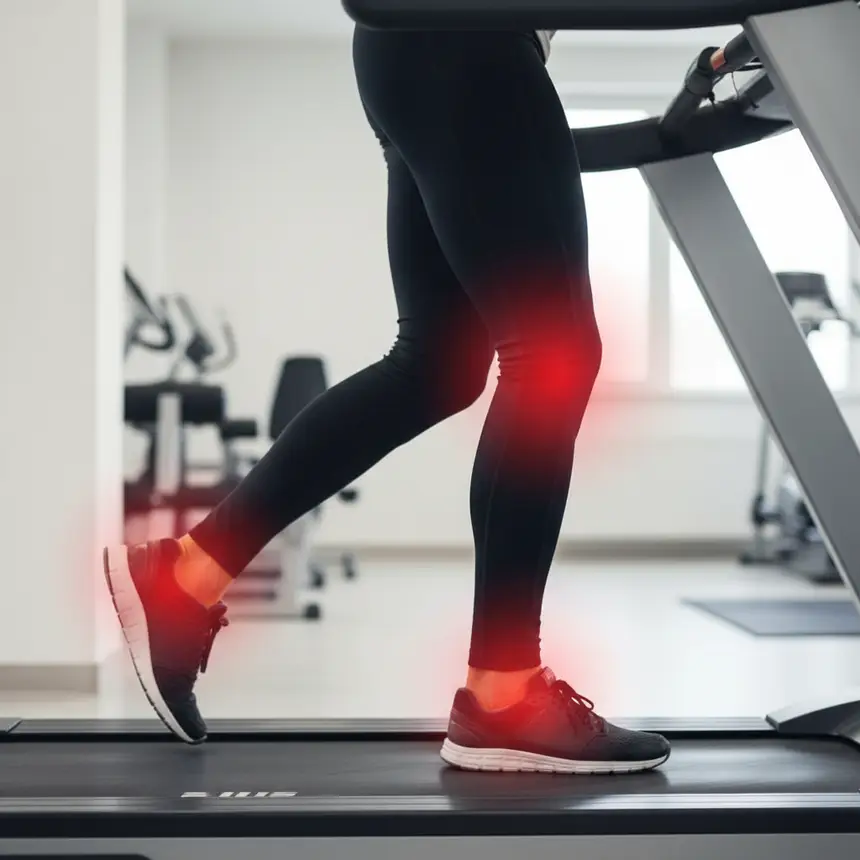
Many of us diligently track our steps, aiming for that daily goal, convinced we're doing enough for our health and waistline. Yet, despite consistent efforts, the scale barely budges, and often, we start noticing nagging aches in our feet, knees, or hips. If this sounds familiar, you might be engaging in 'movement' rather than truly 'exercising' when you walk. There's a significant difference between a casual stroll and a purposeful fitness walk designed to burn calories and improve your physique. Understanding these distinctions is crucial for anyone looking to leverage walking for real, tangible results.
The Hidden Reasons Your Walks Aren't Melting Away Fat
Why isn't your daily walk yielding the fat loss you expect? The answer often lies in two primary areas. Firstly, typical, leisurely walking speeds don't provide enough stimulus to effectively kickstart your metabolism and burn significant calories. A casual pace might be great for stress relief or enjoying the scenery, but it's often too low in intensity for substantial fat oxidation. For instance, a person weighing 120 pounds walking at a moderate 3 mph might burn only about 108 calories in an hour – an amount easily negated by a small snack.
Secondly, the role of diet cannot be overstated. Even the most dedicated walking routine can be undermined by an imbalanced diet. If your caloric intake consistently exceeds the calories you burn, weight loss will remain elusive. Effective body composition change is a synergy between physical activity and nutritional choices. Beyond calorie balance, incorrect walking habits, such as constantly looking at your phone, taking excessively long strides, or shuffling your feet, can lead to posture problems, foot conditions like plantar fasciitis, knee discomfort, and even neck or lower back pain, further hindering your progress and overall well-being.
Secondly, the role of diet cannot be overstated. Even the most dedicated walking routine can be undermined by an imbalanced diet. If your caloric intake consistently exceeds the calories you burn, weight loss will remain elusive. Effective body composition change is a synergy between physical activity and nutritional choices. Beyond calorie balance, incorrect walking habits, such as constantly looking at your phone, taking excessively long strides, or shuffling your feet, can lead to posture problems, foot conditions like plantar fasciitis, knee discomfort, and even neck or lower back pain, further hindering your progress and overall well-being.
※ This post contains affiliate links. I may earn a commission at no extra cost to you.


Strategic Walking Techniques for Optimal Fat Burning
To transform your walk from mere movement into a powerful fat-burning exercise, consider these strategic adjustments:
1. Find Your Brisk Pace: Aim for a speed where you can hold a conversation, but you wouldn't be able to sing comfortably. This usually translates to about 4 to 5 miles per hour (6.4-8.0 km/h). At this intensity, your heart rate elevates, signaling your body to tap into fat stores for energy. For example, increasing your speed from 3 mph to 3.5 mph can significantly boost your calorie burn from 108 to 179 calories in an hour for a 120-pound individual.
2. Commit to Duration: Your body begins to efficiently burn stored fat after roughly 20 minutes of continuous exercise. Therefore, target a minimum of 30 minutes per session, ideally 3 to 5 times per week, to maximize your fat-burning potential.
3. Incorporate Interval Walking: Alternate between periods of high intensity and moderate recovery. For instance, walk briskly for 3 minutes, then slow down to a moderate pace for another 3 minutes, and repeat. This method, often called interval walking, can significantly increase calorie expenditure and improve cardiovascular fitness. Adding inclines or stairs to your route can further intensify your workout.
4. Engage Your Arms: Don't let your arms hang passively. Pump them actively back and forth from your shoulders, with elbows bent at about 90 degrees. This engages your upper body, increases your overall energy expenditure by up to 55%, and helps maintain a good rhythm.
1. Find Your Brisk Pace: Aim for a speed where you can hold a conversation, but you wouldn't be able to sing comfortably. This usually translates to about 4 to 5 miles per hour (6.4-8.0 km/h). At this intensity, your heart rate elevates, signaling your body to tap into fat stores for energy. For example, increasing your speed from 3 mph to 3.5 mph can significantly boost your calorie burn from 108 to 179 calories in an hour for a 120-pound individual.
2. Commit to Duration: Your body begins to efficiently burn stored fat after roughly 20 minutes of continuous exercise. Therefore, target a minimum of 30 minutes per session, ideally 3 to 5 times per week, to maximize your fat-burning potential.
3. Incorporate Interval Walking: Alternate between periods of high intensity and moderate recovery. For instance, walk briskly for 3 minutes, then slow down to a moderate pace for another 3 minutes, and repeat. This method, often called interval walking, can significantly increase calorie expenditure and improve cardiovascular fitness. Adding inclines or stairs to your route can further intensify your workout.
4. Engage Your Arms: Don't let your arms hang passively. Pump them actively back and forth from your shoulders, with elbows bent at about 90 degrees. This engages your upper body, increases your overall energy expenditure by up to 55%, and helps maintain a good rhythm.
Mastering Proper Walking Form and Practical Implementation
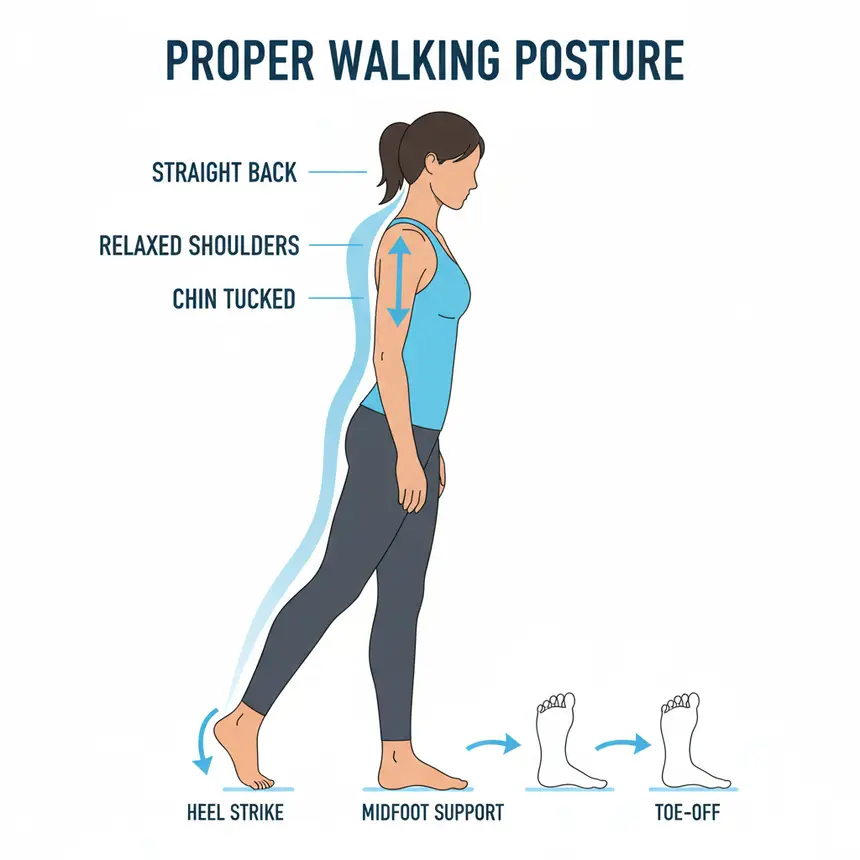
Optimal walking form is paramount not only for maximizing calorie burn but also for preventing injury and ensuring long-term consistency. Use this checklist to refine your technique:
To seamlessly integrate these habits into your daily life, start small. If you commute, try incorporating 10-minute brisk walking segments into your journey. Begin on flat terrain and gradually increase your speed and duration. A progressive approach, perhaps adding 10 minutes to your walk every two weeks (e.g., from 20 to 30 to 40 minutes), can help build stamina. Pay attention to your shoes – uneven wear patterns on the soles can be a telling sign of gait imbalances that might need addressing.
- Head and Gaze: Keep your head upright, eyes focused about 10-20 feet ahead, and your chin slightly tucked, aligning your head with your spine.
- Shoulders and Arms: Relax your shoulders, letting them drop away from your ears. Swing your arms naturally from your shoulders, bending your elbows at approximately a 90-degree angle.
- Core Engagement: Stand tall with your back straight, gently engaging your abdominal muscles. Avoid slouching or arching your back excessively.
- Foot Strike: Land softly on your heel, then roll through your foot to push off with your toes. Your feet should point straight ahead, forming a parallel '11' shape.
- Stride Length: Aim for a natural, comfortable stride. A good rule of thumb is to maintain a stride length that feels neither too short nor overly stretched.
To seamlessly integrate these habits into your daily life, start small. If you commute, try incorporating 10-minute brisk walking segments into your journey. Begin on flat terrain and gradually increase your speed and duration. A progressive approach, perhaps adding 10 minutes to your walk every two weeks (e.g., from 20 to 30 to 40 minutes), can help build stamina. Pay attention to your shoes – uneven wear patterns on the soles can be a telling sign of gait imbalances that might need addressing.

Step Towards a Healthier You: Transform Your Walk
Walking is an accessible activity for almost everyone, yet it's also frequently misunderstood. By moving beyond aimless wandering and embracing walking as a deliberate 'exercise' with proper form and appropriate intensity, you unlock its true potential for health and fitness. Remember the core principles of fitness walking discussed today: brisk pace, consistent duration, interval training, and mindful posture. Incorporating these simple yet powerful changes into your routine can lead to profound transformations in your body and overall well-being. Take the first step today – reassess your walking habits and commit to a more active, vibrant lifestyle.
Frequently Asked Questions
Q. Can I achieve significant weight loss just by walking?
A. Walking is an excellent form of cardiovascular exercise that contributes to weight loss, but for significant results, it must be performed consistently with appropriate intensity and duration. For optimal outcomes, combine your walking routine with a balanced and healthy diet. Think of it as an 80% diet, 20% exercise equation.
Q. Why is looking at my phone while walking discouraged?
A. Staring at your phone while walking causes your head to tilt forward, straining your neck and shoulders and leading to a hunched posture. This not only diminishes the effectiveness of your walk by disrupting proper form but can also cause chronic pain over time. It's best to keep your gaze forward and minimize phone use during your walks.
Q. How can I make interval walking most effective?
A. To maximize the benefits of interval walking, alternate between periods of vigorous walking and moderate-paced walking. For instance, walk as briskly as you can for 3 minutes, then slow down to a comfortable recovery pace for another 3 minutes, and repeat this cycle. This method effectively manipulates your heart rate, leading to greater calorie burn and improved cardiovascular endurance.
Q. What are the most crucial elements of proper walking posture?
A. Maintaining correct walking posture is vital for maximizing exercise benefits and preventing injuries. Key elements include keeping your head up with your gaze forward, relaxing your shoulders, engaging your core, swinging your arms naturally, and ensuring your foot strikes the ground heel-first, then rolls through to the toes. Poor posture can place undue stress on your knees, ankles, and lower back, potentially causing or exacerbating pain.