Struggling to stick with a fitness routine? Discover how starting with back exercises can lay a strong foundation for effective self-management and a healthier lifestyle. Perfect for anyone preparing for a big life event.

Ready to Start a New Fitness Habit? Where to Begin?
Have you ever set out to create a new fitness routine, only to find your motivation fade away too soon? Especially when approaching a significant life transition, like a wedding, the desire for better self-management and a healthier physique often intensifies. Building consistent exercise habits can feel daunting, but with a strategic approach, anyone can succeed. If you're unsure where to start, focusing on your back muscles offers an excellent foundation. A strong back not only significantly improves your posture but also plays a crucial role in enhancing overall body strength and functional movement.

Common Hurdles to Forming Consistent Workout Habits
Many individuals encounter common obstacles when attempting to establish a regular fitness routine. Firstly, setting overly ambitious goals from the start can lead to quick burnout and giving up. Secondly, an inconsistent lifestyle combined with a lack of mindful eating often undermines efforts. The 'I worked out, so I deserve this' mindset can derail diet plans, making it hard to see results and diminishing motivation. Thirdly, some struggle to find enjoyment in exercise or harbor unrealistic expectations of instant transformation. Fitness is a long-term investment, and only consistent effort yields lasting results. These challenges can be particularly exacerbated during stressful periods, such as preparing for a major life event.
※ This post contains affiliate links. I may earn a commission at no extra cost to you.

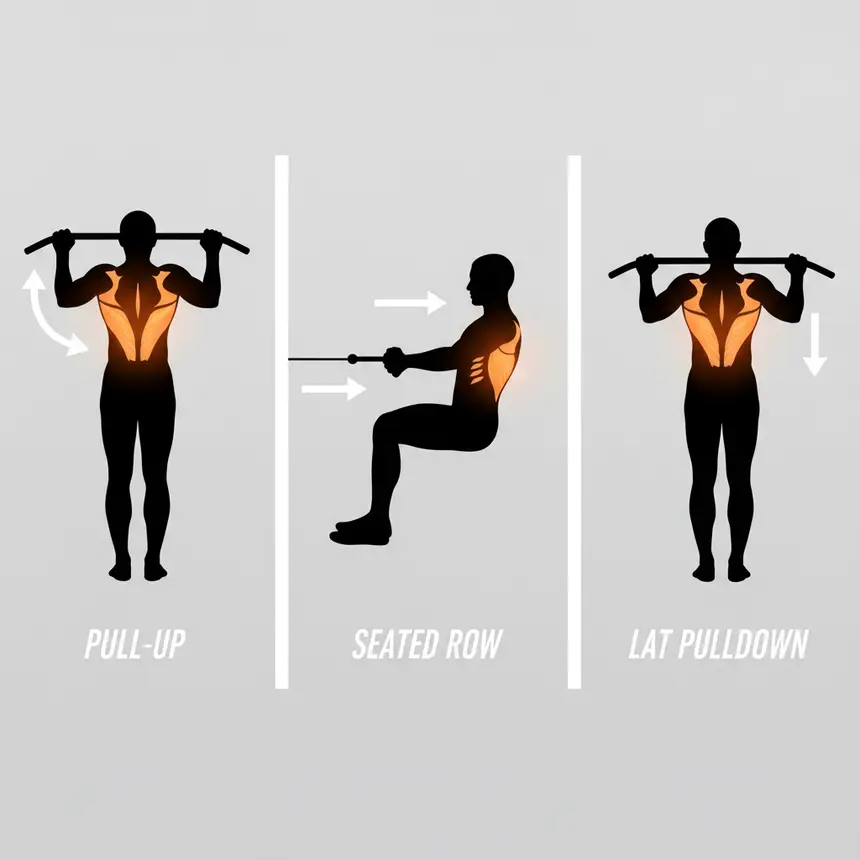
Strengthening Your Back for a Solid Core and Better Posture
If you're aiming to build robust fitness habits, consider making back muscle training your primary focus. The back hosts one of the body's largest muscle groups, meaning its training results in substantial energy expenditure and significantly contributes to overall physical function. - Mastering Pull-Ups: This classic bodyweight exercise primarily targets the upper back and lats. Start with assisted variations, using bands or a machine, and gradually increase your repetitions. Focus on feeling the full extension and contraction of your lats with controlled, slow movements. - Incorporating Various Row Exercises: Exercises like seated cable rows or dumbbell rows are excellent for adding thickness to your middle back. During these movements, concentrate on pulling with your back muscles, ensuring your shoulder blades retract effectively without shrugging your shoulders. - Utilizing Pulldown Variations: The lat pulldown, for instance, allows you to adjust your upper body angle and grip width to stimulate different parts of your back, including the lower lats. The key to all back training is establishing a strong mind-muscle connection. Using mirrors or recording your workouts can greatly assist in refining your form and feeling the correct muscle engagement.

Practical Strategies for Sustaining Your Fitness Journey
Here are actionable tips to help you maintain your exercise habits for the long haul: 1. Clarify Your Goals: Set specific objectives, such as 'Strengthen my back for better posture by [target date].' A precise goal provides far stronger motivation than a vague one. 2. Prioritize Your Workout Schedule: Treat your exercise time as a non-negotiable appointment. Schedule it in your calendar, whether it's before work, during lunch, or in the evening. If social gatherings arise, try to fit in a shorter session beforehand or adjust other meals to compensate for the event's food choices. 3. Integrate Diet with Exercise: As you commit to exercise, a natural inclination towards healthier eating often follows. Simply reducing unnecessary snacks and increasing protein-rich foods and vegetables can lead to noticeable improvements. 4. Track Your Progress: Keep a workout journal or use a fitness app to log your exercises, weights, and repetitions. Witnessing your small achievements accumulate is a powerful motivator for consistency. 5. Explore Diverse Workouts: Don't stick to just one or two back exercises. Experiment with different variations to keep your routine engaging and to challenge your muscles in new ways, helping to overcome plateaus and maintain interest.

Consistent Self-Care: An Investment in Your Healthier Future
The journey of building consistent exercise habits demands sustained effort and patience. Starting with back workouts can serve as a powerful foundation, contributing significantly to your overall physical health and boosting your confidence. Take that first step today, no matter how small. From the moment you walk into the gym, your transformation begins. The healthy body and mind you cultivate through this process will undoubtedly make important life moments even more special. With perseverance, you can absolutely achieve your fitness aspirations.
Frequently Asked Questions
Q. What are the best back exercises for beginners?
A. For beginners, machine-based exercises like the lat pulldown or seated row are excellent. They offer stability, making it easier to focus on muscle engagement and progressively increase resistance. Assisted pull-ups with resistance bands are also very effective.
Q. What's the most important safety tip for back workouts?
A. The most crucial aspect of back training is feeling your back muscles work, rather than just pulling with your arms. Focus on the contraction and extension of your back. Be mindful not to let your shoulders shrug up excessively and keep your core tight to protect your lower back.
Q. What should I do if I experience lower back pain after back exercises?
A. If you feel lower back pain during or after back exercises, stop immediately and rest. If the pain persists, it's best to consult a professional. Incorporate regular core strengthening exercises and stretching into your routine, and always prioritize correct form during all back movements.
Q. How can I fit workouts into a busy schedule?
A. Consistency is key, even if it's just 30 minutes a day. Try to schedule your workouts at a fixed time, utilizing small pockets of time before or after work, or even during your lunch break. Short, consistent sessions can often be more effective than infrequent, lengthy ones.
Q. Why is diet management as important as exercise?
A. While exercise builds muscle and burns calories, diet management is critical for maximizing workout results and influencing body composition. A healthy diet supports muscle recovery, prevents unnecessary fat storage, and is essential for achieving your fitness goals.