Unlock your body's fat-burning potential with Zone 2 cardio and strategic fasted workouts. Discover sustainable diet tips for lasting results and a healthier, more vibrant you.

Struggling with a Weight Loss Plateau or Inconsistent Progress?
Many embark on a weight loss journey, only to be met with frustrating plateaus or the dreaded rebound. It's easy to fixate on the number on the scale, but true fitness success is about more than just pounds lost. It's about your energy levels, vitality, and confidence. If your current approach feels unsustainable, it's time to reassess. Let's explore strategies that empower your body to change effectively and sustainably, focusing on intrinsic health and long-term well-being.
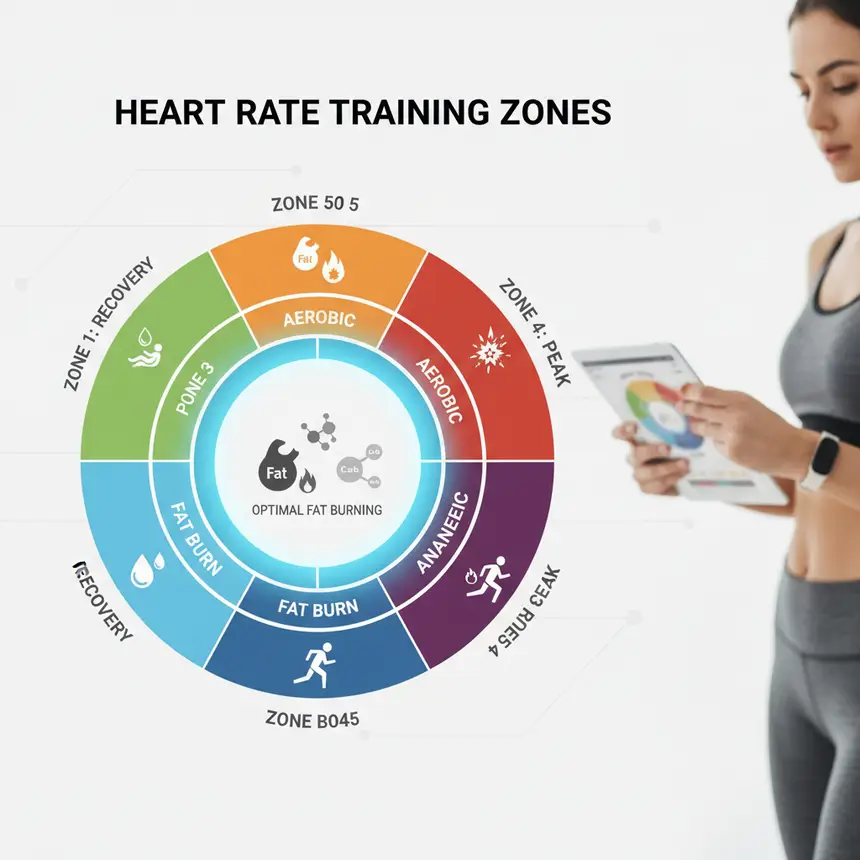
Unlocking Your Body's Fat-Burning Engine: The Science of Optimal Intensity
Your body primarily uses carbohydrates and fat for fuel, with intensity dictating priority. High-intensity activities rapidly burn carbs. However, a "sweet spot" – a moderate intensity zone – makes your body incredibly efficient at burning fat. This Zone 2, around 60-70% of your maximum heart rate, allows for comfortable conversation, significantly boosting fat oxidation. Strategically timing workouts, like exercising after an overnight fast, further encourages tapping into stored fat reserves by leveraging lower glycogen levels, enhancing fat-burning efficiency.
※ This post contains affiliate links. I may earn a commission at no extra cost to you.


Low-Intensity Cardio and Mindful Eating: A Synergistic Approach
Zone 2 training offers a sustainable path to enhanced fat burning, maintaining 60-70% of your maximum heart rate – a conversational pace. Use a fitness tracker to stay in your target zone. Begin with brisk walking or light jogging, gradually extending duration.
- Hydrate Before You Move: Drink water before your morning session to prevent dehydration.
- Prioritize Post-Workout Protein: Crucial for muscle recovery. Aim for 1.2 to 1.6 grams of protein per kilogram of body weight, balanced with complex carbohydrates.
- Smart Food Choices for Lasting Results: Focus on informed choices over deprivation. Opt for lean proteins (fish, poultry), fiber-rich whole grains, and plenty of vegetables. Be mindful of sodium in condiments.

Your Journey Starts Today: Embracing Sustainable Habits
Sustainable fat loss is a marathon, not a sprint. Start with small, consistent steps, like a brisk 15-minute morning walk. Gradually increase duration or intensity as your body adapts. The key is making activities enjoyable and sustainable. Apply the same principle to your diet: find healthier alternatives within your current eating patterns. Swap sugary snacks for a protein bar or choose a fresh salad. Listen to your body and establish personal health benchmarks for lasting consistency – the ultimate secret to transformation.
Frequently Asked Questions
Q. What's the best exercise intensity for burning fat?
A. Low-intensity cardio, specifically maintaining about 60-70% of your maximum heart rate (often called Zone 2), is considered most efficient for fat oxidation. You should be able to hold a conversation at this intensity.
Q. Is fasted cardio suitable for everyone?
A. While effective for fat burning, fasted cardio can cause low blood sugar or dizziness, especially for beginners. Start with low intensity and short durations, paying close attention to your body's response. Consult a healthcare professional if you have underlying health conditions like diabetes.
Q. How can I accurately measure my exercise intensity?
A. Using a smartwatch or a heart rate monitor provides real-time heart rate data. You can estimate your maximum heart rate (roughly 220 minus your age) and then calculate your target Zone 2 range by multiplying that by 0.6 to 0.7.
Q. Why is protein intake so important during a fat loss journey?
A. Protein is vital for maintaining and repairing muscle mass, and it also promotes satiety, which helps with appetite control. Adequate protein intake is key to minimizing muscle loss while shedding body fat.
Q. Any tips for maintaining a sustainable diet in the long run?
A. Instead of rigid restrictions, focus on making smarter, healthier choices within your everyday diet. Incorporate whole foods, lean proteins, and plenty of vegetables, and reduce your intake of processed foods and excessive sodium. Small, consistent changes are far more effective than drastic, temporary ones.