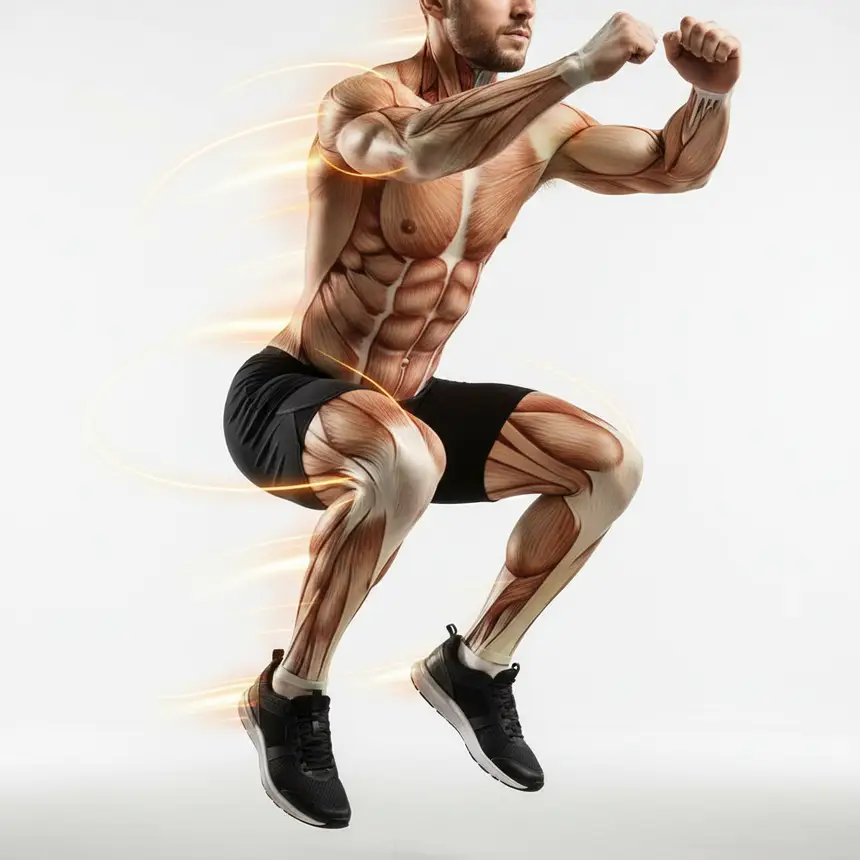
Build a strong and defined upper body with this effective shoulder and arm workout routine, suitable for home or gym. Discover exercises, practical tips, and safety advice.

Unlock Your Upper Body Potential: The Power of Shoulder and Arm Training
Developing a strong and well-defined upper body is fundamental not just for aesthetics but also for enhancing daily functional movements. Your shoulders and arms play a crucial role in a wide range of activities, from lifting groceries to improving your posture. Strong, sculpted shoulders can elevate your overall physique and boost confidence, while robust arm muscles are essential for pushing, pulling, and carrying tasks. Consistent shoulder and arm workouts contribute to better posture, increased upper body strength, and a more energetic lifestyle. Let's explore how to effectively build powerful shoulders and arms with a strategic upper body routine.
An Accessible Shoulder and Arm Workout Routine for All Levels
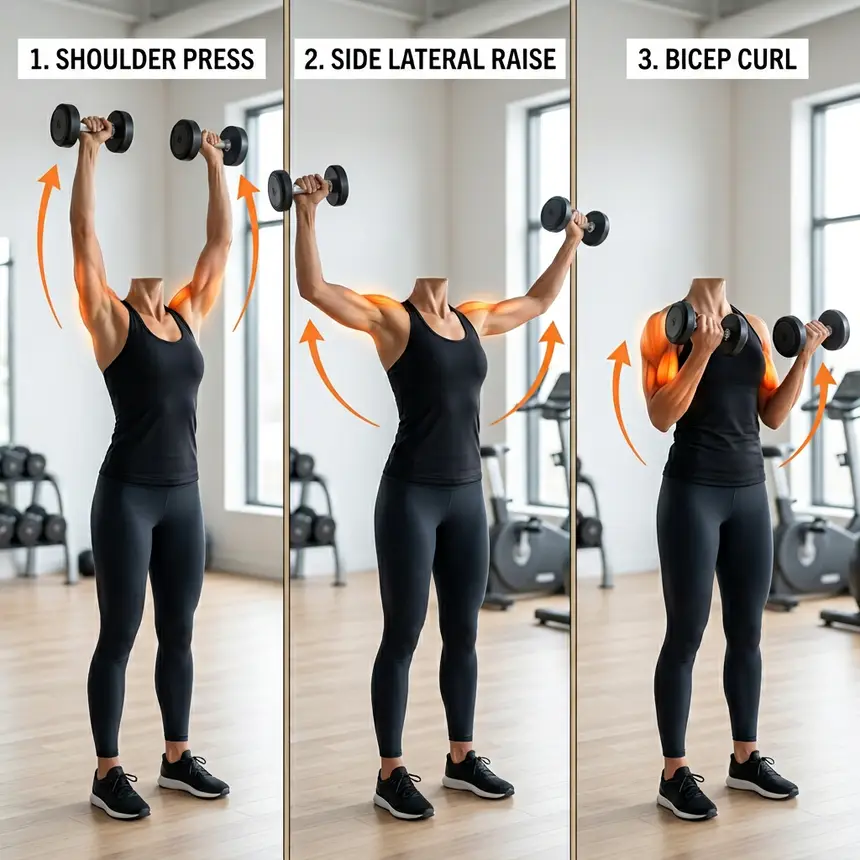
Here’s a versatile upper body routine that you can perform at home or in the gym, designed to effectively target your shoulder and arm muscles. Focus on precise form to prevent injuries and maximize muscle growth. The suggested repetitions and sets are guidelines; adjust them to your current strength level.
- Dumbbell Shoulder Press: Begin seated or standing, holding dumbbells at shoulder height with palms facing forward. Press the dumbbells overhead until your arms are fully extended, then slowly lower them to the starting position. This exercise effectively works the front and side deltoids, along with the triceps. Aim for 10-15 repetitions for 3-4 sets.
- Cable Front Raise Variation (or Dumbbell Front Raise): Grab a handle from a low cable pulley or hold dumbbells. Keeping your arms relatively straight, lift the weight forward and up to shoulder height, focusing on isolating the front deltoids. Complete 12-15 repetitions for 4-5 sets.
- Overhead Dumbbell Extension: Hold one dumbbell with both hands (or one in each hand) and extend your arms straight overhead. Bend your elbows to lower the dumbbell behind your head, then extend your arms to push it back up. This targets the entire triceps muscle effectively. Perform 12-15 repetitions for 4-5 sets.
- Cable Triceps Kickback (or Dumbbell Kickback): Hinge forward slightly at your hips and keep your elbows tucked close to your body. Extend your forearms backward, squeezing your triceps, then slowly return to the starting position. This helps improve triceps definition. Aim for 12-15 repetitions for 4-5 sets.
- Dumbbell Bicep Curl: Stand or sit with a dumbbell in each hand, arms fully extended. Keeping your elbows tucked, curl the dumbbells up towards your shoulders, squeezing your biceps at the top. Slowly lower the weights with control. This is excellent for building bicep size and strength. Do 10-12 repetitions for 3-4 sets.
- Dumbbell Lateral Raise: Hold a light dumbbell in each hand with a slight bend in your elbows. Raise your arms out to the sides to shoulder height, focusing on the side deltoids. Prioritize proper form and controlled movement over heavy weight. Aim for 15-20 repetitions for 4-5 sets, potentially working towards a total of 100 repetitions for significant shoulder line improvement.
※ This post contains affiliate links. I may earn a commission at no extra cost to you.

Maximizing Your Workout Results: Practical Implementation Strategies
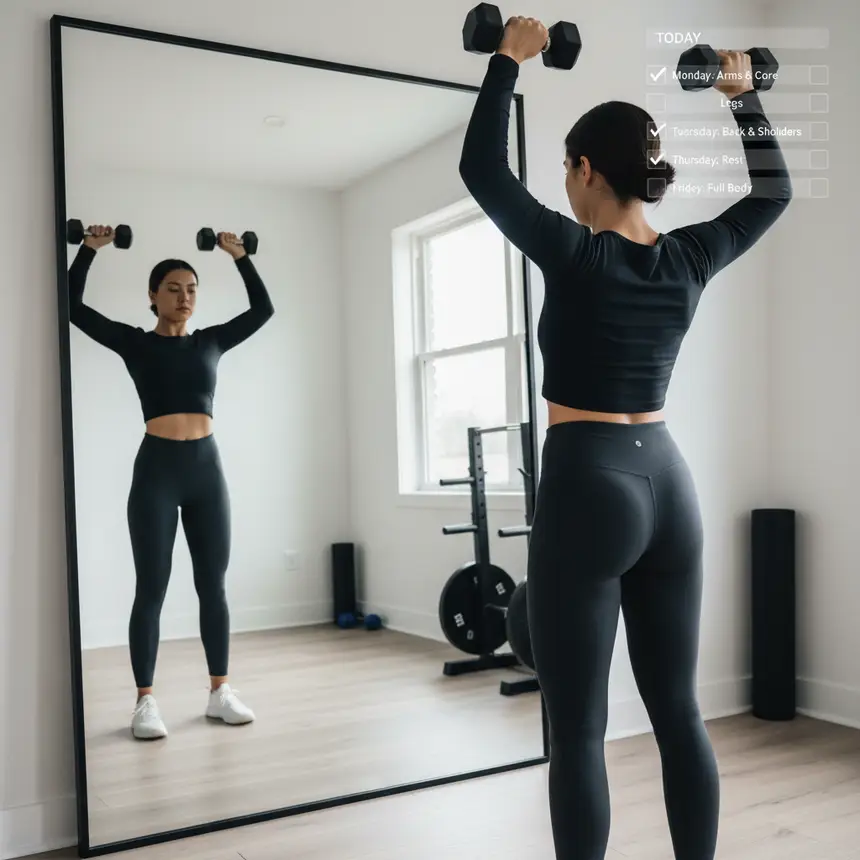
To get the most out of your shoulder and arm training, incorporate these practical strategies beyond just following the routine:
- Thorough Warm-up and Cool-down: Before your main workout, spend 5-10 minutes on light cardio and dynamic stretches to prepare your muscles. Afterward, use static stretches to release muscle tension, which helps reduce injury risk and aids recovery.
- Apply Progressive Overload: Start with manageable weights to master proper form, then gradually increase the weight or repetitions to continually challenge your muscles. This is a crucial principle for ongoing progress.
- Consider a Workout Partner: Training with a partner can provide motivation, help with form correction, and offer assistance during challenging sets, leading to safer and more effective workouts.
- Prioritize Balanced Nutrition: Adequate protein intake is vital for muscle growth and repair. Carbohydrates and healthy fats are also important for sustaining energy levels during workouts. Maintain a balanced diet for optimal results.
- Ensure Sufficient Rest: Muscles grow and recover during rest periods, not just during the workout. Aim for 7-8 hours of quality sleep per night and allow about 48 hours of rest for the same muscle group between training sessions.
Safety First: Precautions and Who Should Try This Routine
As with any exercise regimen, adhering to safety guidelines is paramount for shoulder and arm workouts. Pay close attention to your body and avoid overexertion.
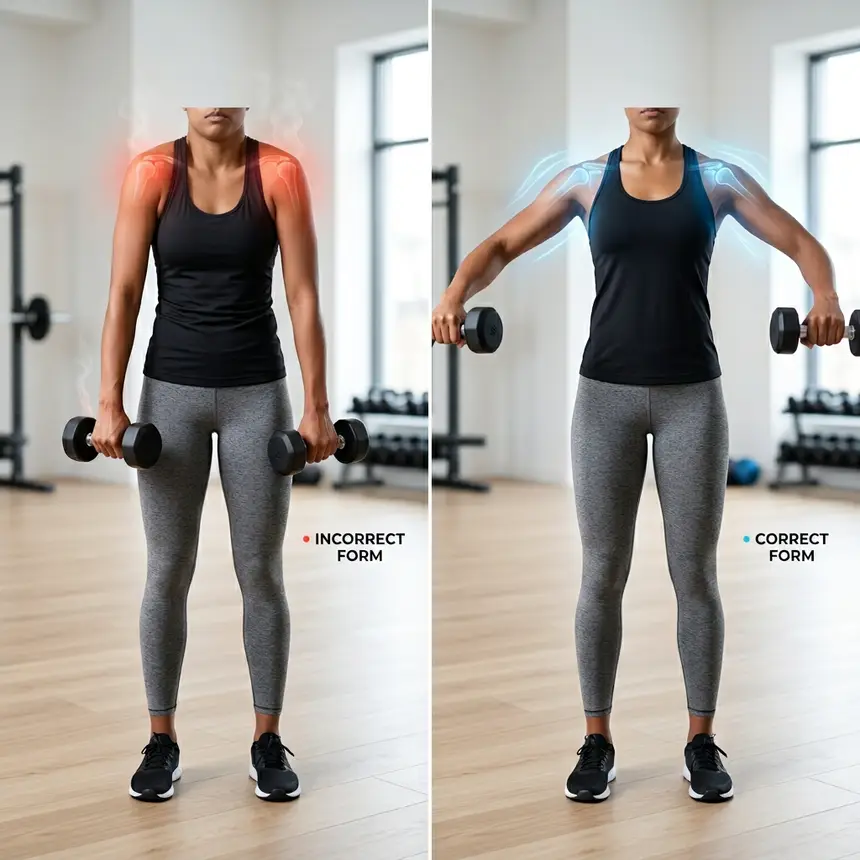
- Maintain Proper Form: Incorrect form can lead to injuries. Use a mirror or ask a partner for feedback to ensure your technique is correct. The shoulders, in particular, are highly mobile joints and can be susceptible to injury if not trained properly.
- Avoid Excessive Weight: Choose weights that allow you to complete your sets with good form. Don't be tempted to lift too heavy. Especially for beginners, prioritize mastering the movement with lighter weights and higher repetitions to feel the muscle engagement.
- Stop if You Feel Pain: If you experience sharp pain or significant discomfort during an exercise, stop immediately and rest. Ignoring pain can lead to more serious injuries.
- Individuals aiming for a well-defined and balanced upper body physique.
- Anyone looking to strengthen their overall arm and shoulder muscles for daily activities.
- Beginners seeking an effective and accessible upper body routine.
- Those who enjoy working out with a partner for added motivation and support.
Frequently Asked Questions
Q. Can I perform this upper body routine with only dumbbells at home?
A. Absolutely! Exercises that suggest cables can often be effectively replaced with dumbbell variations (e.g., Dumbbell Front Raise instead of Cable Front Raise, Dumbbell Kickback instead of Cable Triceps Kickback). The key is to focus on correct form and feeling the targeted muscle engagement.
Q. I have severe muscle soreness after my shoulder workout. Is this normal?
A. Muscle soreness that appears 24-48 hours after a workout (DOMS - Delayed Onset Muscle Soreness) is a common and normal response. However, if the pain is unusually sharp, localized, or accompanied by swelling, stop exercising and consult a professional. Adequate rest, stretching, and nutrition will aid recovery.
Q. Will I get fewer results if I don't have a workout partner?
A. While a workout partner can provide motivation and help with form, you can still achieve excellent results training solo. Utilize mirrors to check your form, and keep a workout log to track your progress and stay accountable to yourself.
Q. What's the most effective exercise for achieving 'capped' or 'round' shoulders?
A. The Dumbbell Lateral Raise is highly effective for targeting and developing the side deltoids, which are crucial for creating a broad, 'capped' shoulder appearance. Focus on using lighter weights with precise form and higher repetitions.