Explore effective strategies for incorporating intermittent fasting into your daily life. Learn how to manage fasting windows, overcome hunger, and cultivate lasting healthy habits for improved well-being.

Unlock Your Potential with the Power of Intermittent Fasting
Many individuals are discovering that strategic eating patterns can bring about significant positive changes, both physically and mentally. Intermittent fasting, in particular, offers benefits that extend far beyond simple weight management, aiding in enhanced focus, improved metabolic flexibility, and a profound sense of self-control. Imagine navigating your day with consistent energy, feeling light, and being fully attuned to your body's natural hunger and satiety signals. This structured approach to eating can be a game-changer, transforming not just your physique but your entire daily rhythm into a more organized and health-conscious lifestyle.
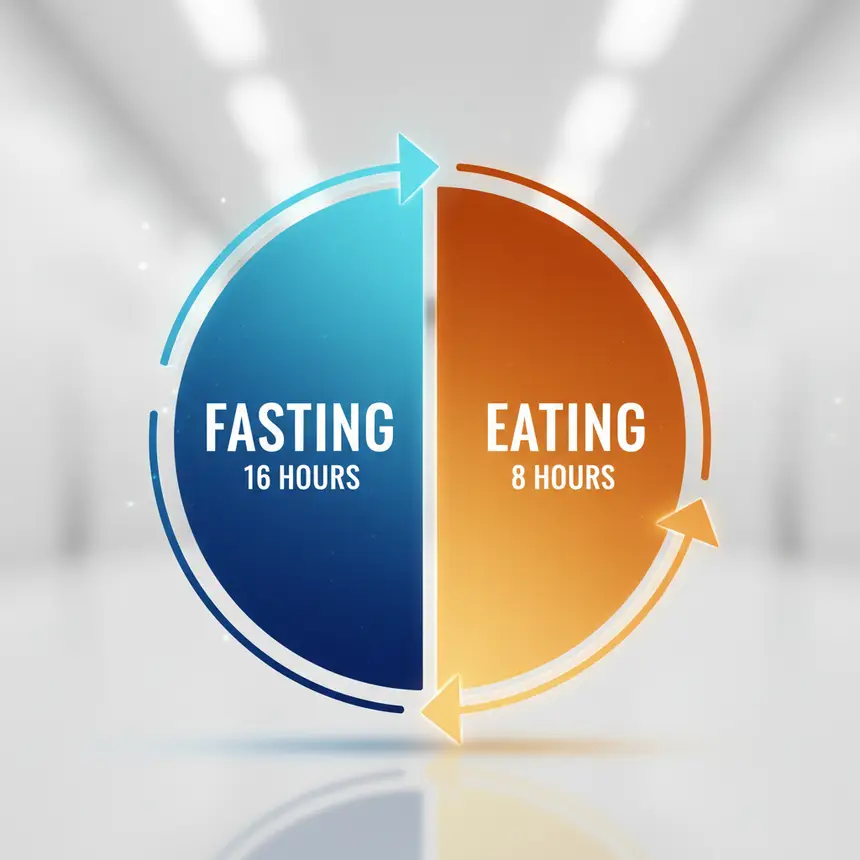
The 16:8 Method: Building Your Fasting Rhythm into Daily Life
The widely adopted 16:8 intermittent fasting method involves a 16-hour fasting period followed by an 8-hour eating window. For instance, if you finish your last meal by 7 PM, your next meal would typically be at 11 AM the following day. The initial phase can present challenges, especially managing hunger, which often peaks right before your designated eating time. To effectively navigate these moments, focus on staying well-hydrated with plain water, herbal teas, or black coffee. Engaging in light activities or mindful distractions can also help. Moreover, planning your meals within the eating window to be nutrient-dense and satisfying will aid in extending your fasting periods comfortably and sustaining stable energy throughout your day. This strategic management of your eating schedule is key to making intermittent fasting a sustainable healthy habit.
※ This post contains affiliate links. I may earn a commission at no extra cost to you.


Designing a Sustainable Intermittent Fasting Approach for You
While intermittent fasting offers numerous advantages, it's essential to adopt a mindful and sustainable approach tailored to your body's needs. Avoid overly restrictive or prolonged fasting, especially when you're just starting. The primary goal of this eating pattern is to build enduring healthy habits, not to endure temporary discomfort. Always listen to your body's signals; if you experience persistent discomfort or fatigue, adjust your schedule or consult a healthcare professional. Intermittent fasting is particularly well-suited for busy individuals seeking to optimize their meal routines, anyone aiming to improve body composition, or those looking to foster a deeper awareness of their physical needs. Finding the optimal fasting rhythm that aligns with your lifestyle and health status is crucial for long-term success.
Frequently Asked Questions
Q. I'm new to intermittent fasting. Which method is best for beginners?
A. For beginners, it's recommended to start with shorter fasting windows, such as 12:12 or 14:10, to allow your body to adapt. Gradually, you can extend this to the 16:8 method. It's crucial to observe how your body responds and proceed at a comfortable pace.
Q. How can I manage hunger effectively during my fasting window?
A. When hunger strikes during your fasting period, drink plenty of water, black coffee, or herbal tea. Sometimes, hunger pangs can be mistaken for thirst. Engaging in light activities or focusing on other tasks can also help distract from hunger.
Q. Is it safe to exercise while intermittent fasting?
A. Yes, exercising while intermittent fasting is generally safe. However, it's often advisable to perform high-intensity workouts during your eating window. For fasting periods, low-intensity activities like walking or stretching are usually better. Always listen to your body and avoid overexertion.
Q. What are the main benefits I can expect from intermittent fasting?
A. Intermittent fasting can help with weight management by simplifying meal planning and reducing overall calorie intake. It's also being researched for potential benefits like improved insulin sensitivity and activation of autophagy (cellular cleansing). Furthermore, it can enhance your awareness of eating habits.
Q. How long does it typically take to see results from intermittent fasting?
A. While individual results vary, many people start to feel positive changes and adapt to the routine within 2 to 4 weeks of consistent practice. For long-term health improvements, it's vital to view fasting as a sustainable lifestyle change rather than a temporary fix.