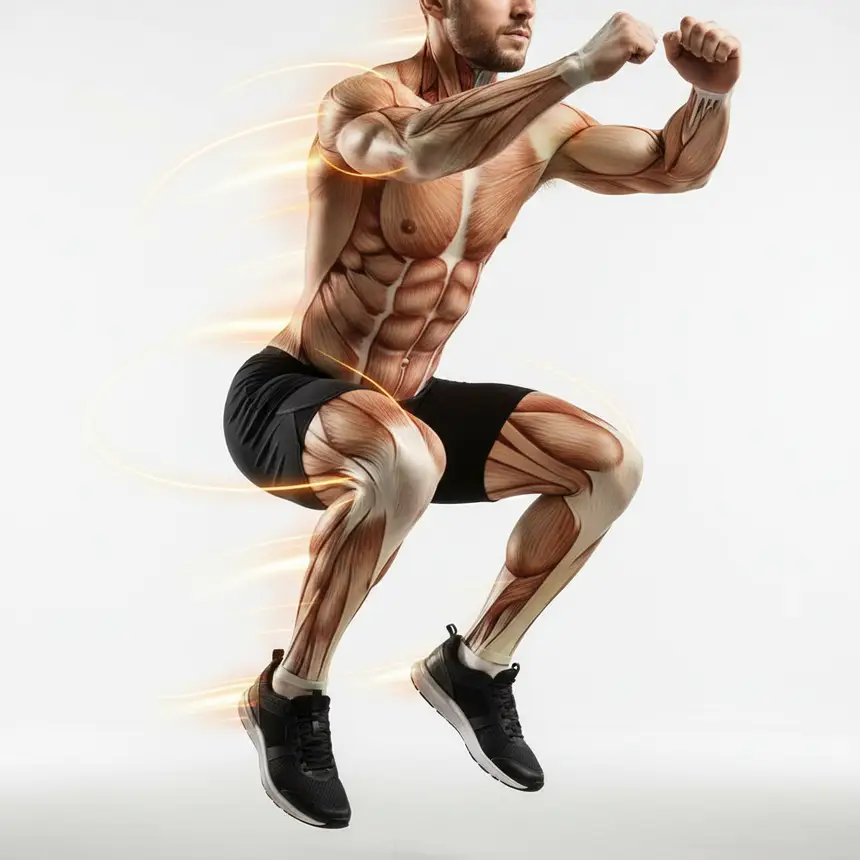
Discover effective exercises to resolve daily shoulder and hip discomfort, and address body imbalances. Enhance shoulder mobility, boost hip flexibility, and strengthen your core muscles for a freer, healthier body. Learn sustainable, injury-preventing exercise tips all in one guide.

Daily Stiffness: The Unseen Roots of Movement Restriction
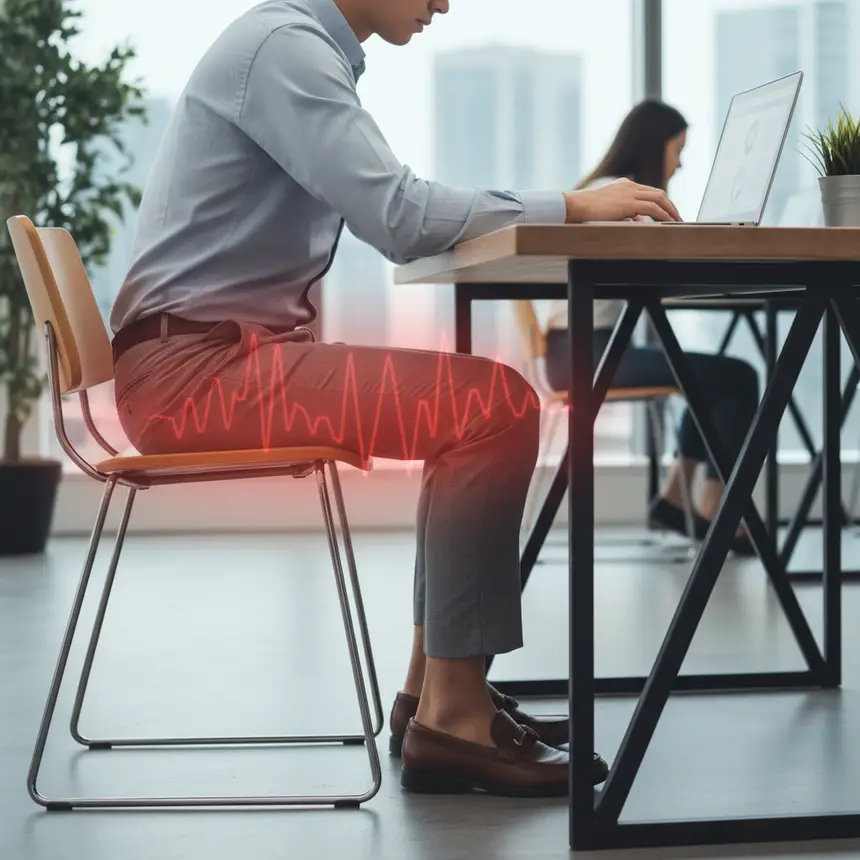
Have you ever woken up, stretched your arms overhead, and felt an unfamiliar stiffness? Or perhaps your hips feel tight when transitioning from sitting to standing? These minor daily annoyances are often overlooked, yet they can significantly impact our overall physical balance and freedom of movement in the long run. Modern lifestyles, characterized by prolonged sitting and repetitive motions, frequently lead to muscle imbalances around the shoulders and hips. This imbalance is a primary culprit behind poor posture. Rounded shoulders or restricted hip movement aren't just aesthetic concerns; they can cause discomfort in various activities and ultimately diminish your physical capabilities.
The Cascade Effect: How Limited Mobility Impacts Your Whole Body
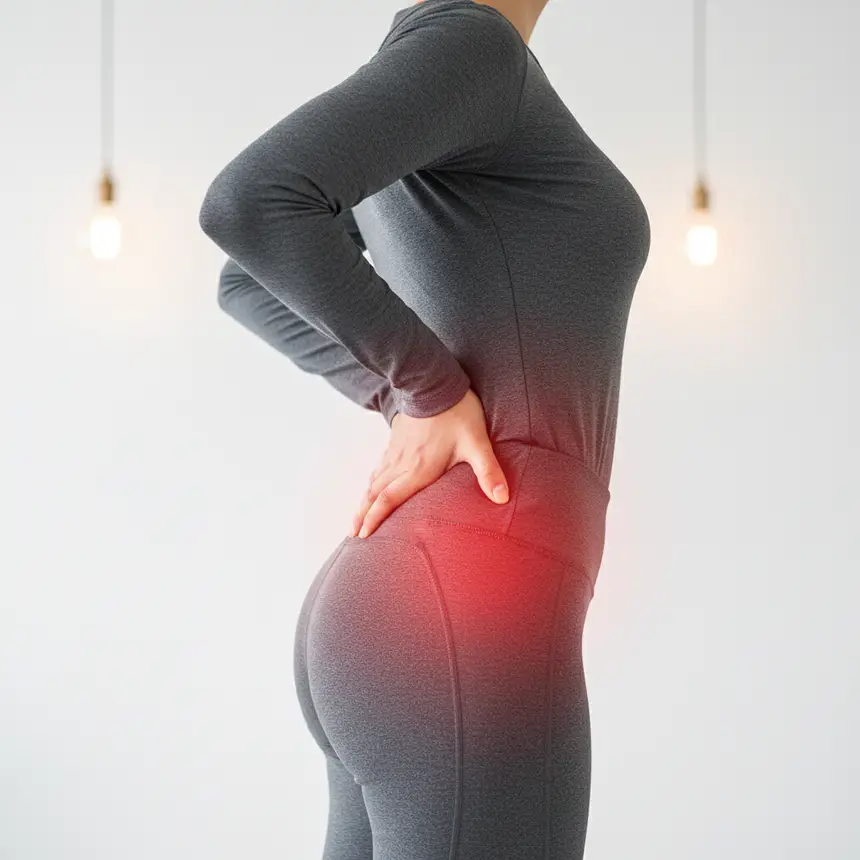
Your shoulders and hips are pivotal joints involved in almost every movement you make daily. When their function declines, it creates a domino effect throughout your body. Reduced shoulder mobility doesn't just make reaching overhead difficult; it can also strain your back and neck muscles, contributing to a hunched posture or chronic neck discomfort. For individuals in their 40s and 50s, issues like rotator cuff-related discomfort or nocturnal shoulder pain are common and can become chronic without proper attention. Similarly, decreased hip flexibility can lead to underactive gluteal muscles, often resulting in lower back or knee discomfort. The critical point is that once these issues begin, they can lead to reduced physical activity, creating a vicious cycle of further functional decline. Early intervention to understand and address the root causes of these physical imbalances is crucial.
※ This post contains affiliate links. I may earn a commission at no extra cost to you.

Reclaiming Function: Balanced Movement Solutions for Shoulders and Hips
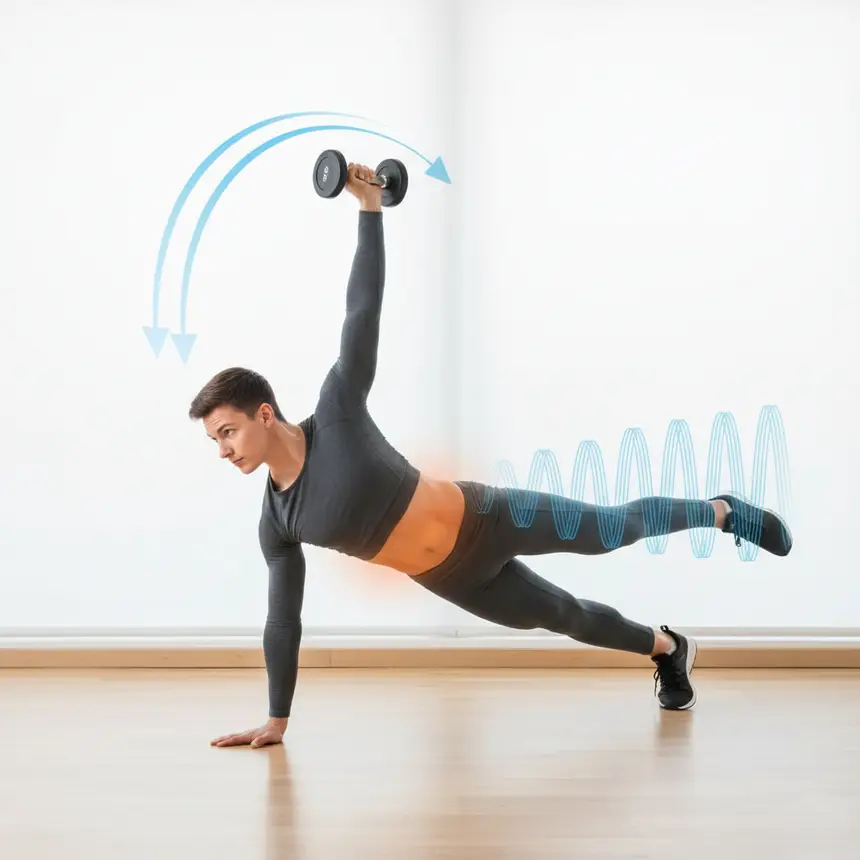
To address these imbalances and restore healthy movement, it's essential to adopt a holistic approach that balances your entire body rather than focusing on isolated areas. Here are some effective exercises to enhance shoulder and hip mobility and strengthen your core:
1. Enhanced Shoulder Mobility Press: When performing a vertical pressing motion, limit your arm's range of motion to a pain-free zone. Focus on a slight outward rotation of the elbows as you lift, engaging the rotational function of the shoulder joint. This helps strengthen the muscles around the shoulder in a stable manner. Begin with bodyweight or very light resistance, gradually increasing your range of motion.
2. Lateral Hip Movement: Sitting or standing, gently lift one leg sideways, focusing on engaging your core to keep your torso stable. Repeating this motion helps activate often-neglected muscles, improving overall hip flexibility. This movement is particularly effective for enhancing lateral hip mobility, which is often underdeveloped in daily life.
3. Dynamic Core Stabilization Plank: Start in a standard plank position, supporting your body on your forearms and toes. From here, make very small, controlled movements with one elbow or foot, either forward-backward or side-to-side, while minimizing any sway in your torso. This controlled instability forces your deep core muscles to work harder, leading to significant core strength improvement.
1. Enhanced Shoulder Mobility Press: When performing a vertical pressing motion, limit your arm's range of motion to a pain-free zone. Focus on a slight outward rotation of the elbows as you lift, engaging the rotational function of the shoulder joint. This helps strengthen the muscles around the shoulder in a stable manner. Begin with bodyweight or very light resistance, gradually increasing your range of motion.
2. Lateral Hip Movement: Sitting or standing, gently lift one leg sideways, focusing on engaging your core to keep your torso stable. Repeating this motion helps activate often-neglected muscles, improving overall hip flexibility. This movement is particularly effective for enhancing lateral hip mobility, which is often underdeveloped in daily life.
3. Dynamic Core Stabilization Plank: Start in a standard plank position, supporting your body on your forearms and toes. From here, make very small, controlled movements with one elbow or foot, either forward-backward or side-to-side, while minimizing any sway in your torso. This controlled instability forces your deep core muscles to work harder, leading to significant core strength improvement.
Smart Approaches for Sustainable Progress
When embarking on any new exercise routine, listening to your body is paramount. It's crucial to distinguish between typical muscle soreness and actual discomfort due to an injury. If you experience a sharp or shooting sensation during an exercise, stop immediately and rest. Muscle soreness, on the other hand, is a dull, heavy feeling that typically appears 24-48 hours after a workout and subsides within a few days. Understanding this difference and adjusting your exercise intensity and frequency is key to consistent, injury-free training.
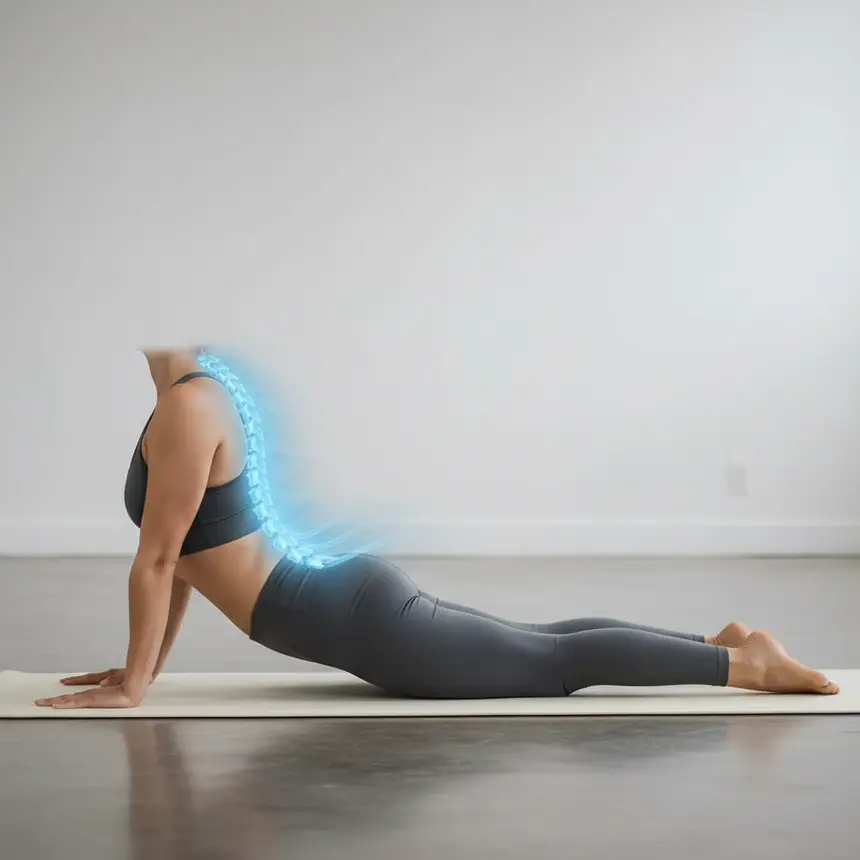
Strive for consistency, even if it's just a few minutes each day. Instead of attempting too many complex movements at once, focus on performing one or two exercises with precise form. For instance, you could establish a routine of 10 minutes of shoulder stretching and hip flexibility exercises, followed by 5 minutes of core work. After your workout, incorporate full-body stretches like the cobra stretch to lengthen the front of your body, easing muscle tension and aiding circulation for faster recovery.
Strive for consistency, even if it's just a few minutes each day. Instead of attempting too many complex movements at once, focus on performing one or two exercises with precise form. For instance, you could establish a routine of 10 minutes of shoulder stretching and hip flexibility exercises, followed by 5 minutes of core work. After your workout, incorporate full-body stretches like the cobra stretch to lengthen the front of your body, easing muscle tension and aiding circulation for faster recovery.
Your First Step Towards Unrestricted Movement
Paying attention to the subtle signals your body sends is the first step towards a healthier life. Shoulder discomfort or hip stiffness aren't simply inevitable consequences of 'getting older'; they are often the result of lifestyle habits and a lack of specific exercises that can be improved. By incorporating the balanced exercise methods shared today, you can revitalize stiff shoulders and hips, and stabilize your entire body with a stronger core. Consistent effort will undoubtedly grant you the gift of freer movement and enhanced physical capabilities. Why not take that small, but significant, step for your body starting today?
Frequently Asked Questions
Q. My shoulder mobility is limited. Can I still perform shoulder press exercises?
A. Yes, but it's essential to start within a pain-free and very limited range of motion. It's highly recommended to seek guidance from a qualified fitness professional. Focus on establishing shoulder joint stability first, then gradually increase your range of motion. Pushing beyond your current limits can be counterproductive.
Q. Can hip flexibility exercises help alleviate lower back pain?
A. Hip flexibility exercises can indirectly help alleviate lower back pain. When hip mobility is restricted, the lower back muscles often compensate, leading to strain and discomfort. Improving hip movement can reduce the burden on your lower back, contributing to pain management.
Q. How do I differentiate between 'muscle soreness' and 'injury-related pain'?
A. Muscle soreness, often called DOMS (Delayed Onset Muscle Soreness), is a dull, aching sensation that appears 24-48 hours after exercise and is generally tolerable. Injury-related pain, however, is typically sharp, sudden, or shooting, occurring during or immediately after an activity. It worsens with specific movements and can significantly disrupt daily life. If you experience the latter, stop exercising immediately and consult a professional.
Q. What should I do if my lower back hurts during core exercises?
A. If you experience lower back pain during core exercises, your form might be incorrect, or your abdominal muscles might not be adequately engaged. Focus on actively contracting your abs, imagining your belly button pulling towards your spine, to keep your lower back from arching. Start with a smaller range of motion or easier modifications to build foundational core strength before progressing.
Q. What are some simple hip flexibility exercises I can do at home?
A. Exercises like seated butterfly stretch, knee-to-chest stretches while lying down, and hip abduction exercises (lifting one leg to the side) are effective. The 'lateral hip movement' described earlier is particularly good for improving hip range of motion without equipment. The key is to perform these movements gently and within a pain-free range.