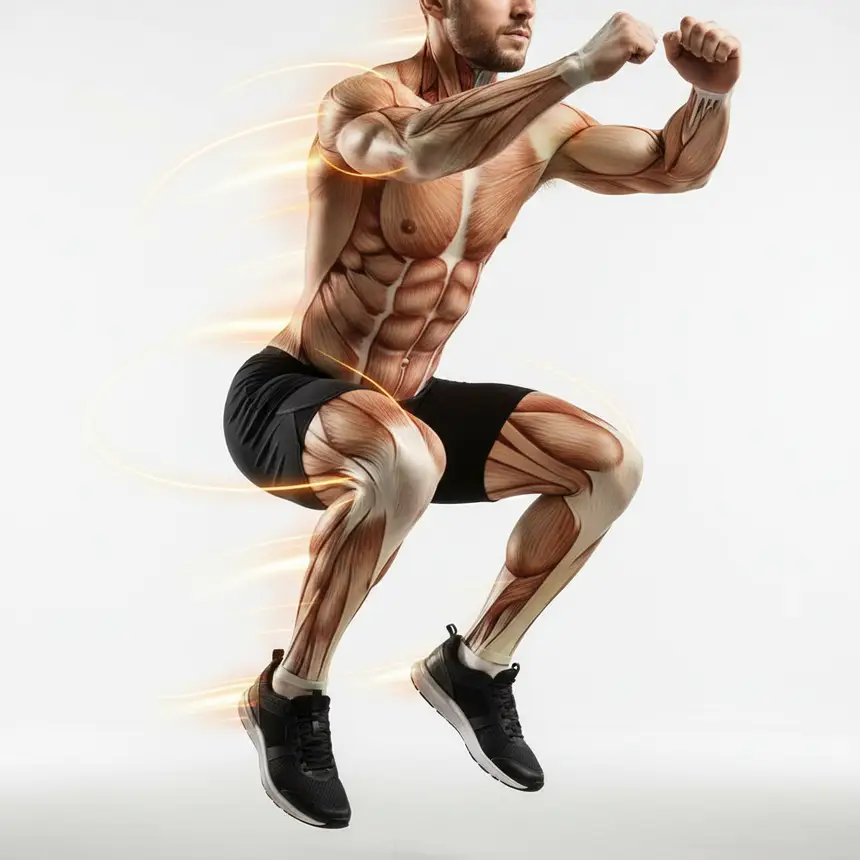
An effective 40s exercise routine is essential for managing stamina decline and pain. Discover effective strength and cardio workouts, plus practical tips for consistent habit maintenance in this guide.

Everyday Aches: A Signal of Insufficient Movement?
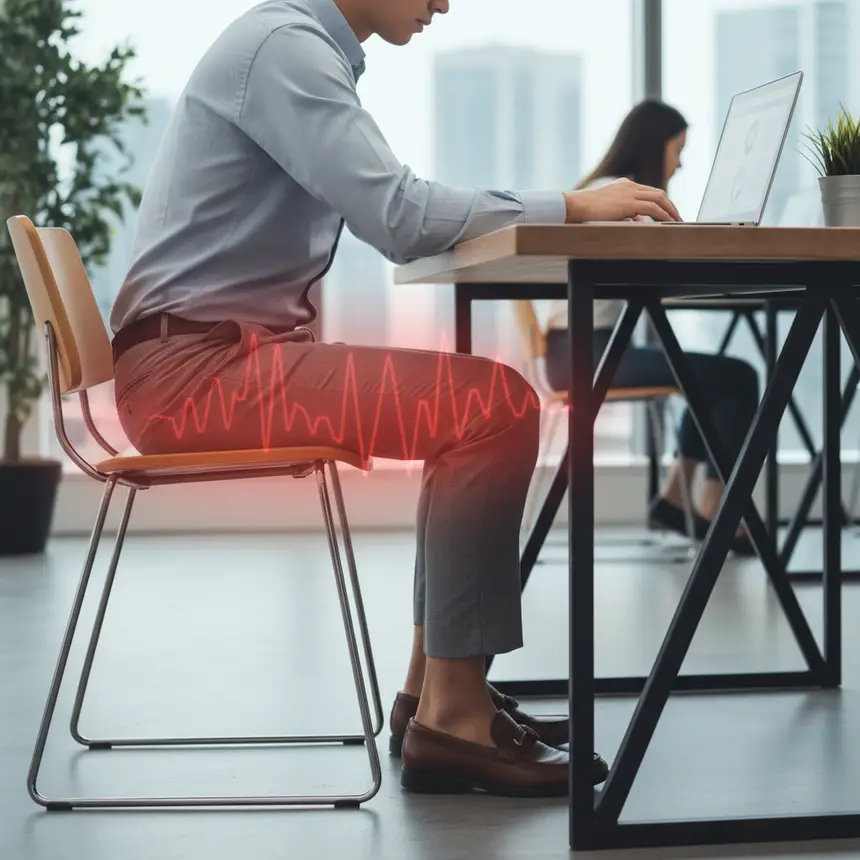
It's a natural part of life to feel that your body isn't quite what it used to be as you get older. Especially in your 40s, many people experience a decline in stamina and various aches due to inconsistent lifestyles or reduced physical activity. It's common to feel your body getting heavy and less agile after even a short break from exercise. These changes aren't fixed by simply resting; they might be a clear signal that you need fundamental physical conditioning. Establishing a consistent exercise routine is crucial for regaining vitality and addressing these discomforts, forming the core of an effective exercise plan for your 40s.
Beyond Passive Fixes: The Importance of Building Core Strength
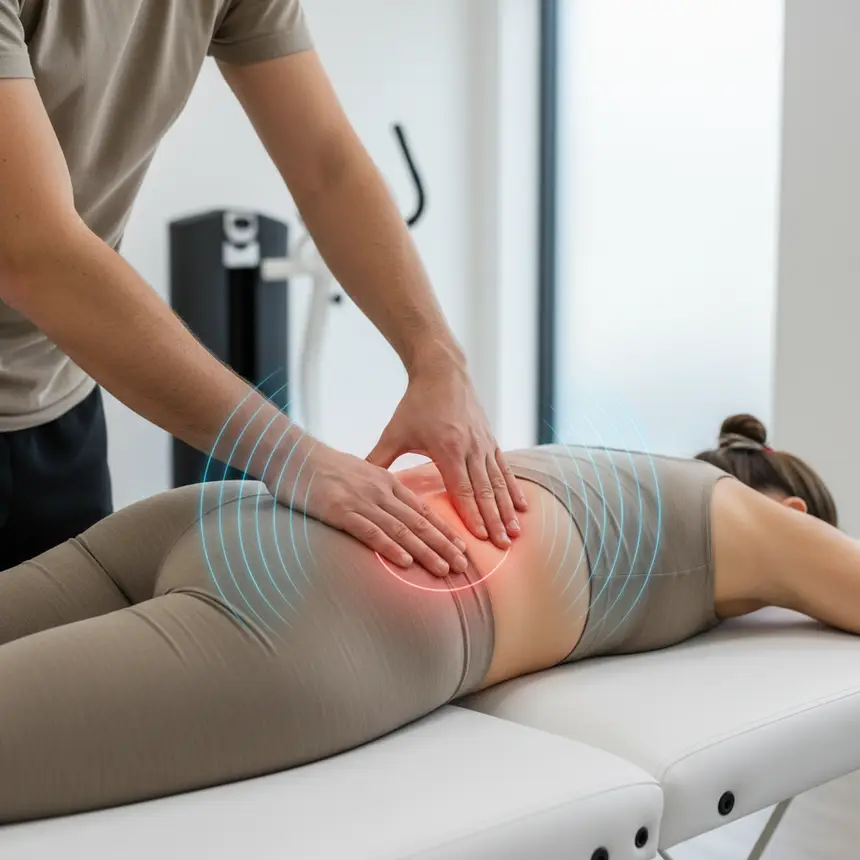
When people feel physical discomfort, many often turn to massages or other passive physical therapies first. While these methods can offer temporary relief from pain, they often act like a quick fix. Without strengthening the body's fundamental functions, discomfort is likely to return. Our bodies maintain their healthiest and most sustainable condition when we actively move and build strength ourselves. For instance, if you're experiencing lower back pain due to weak core muscles, actively strengthening those muscles through exercise is far more effective than relying solely on external treatments. Especially after your 40s, exercise isn't just a hobby; it becomes a vital investment and a survival strategy for a healthy life.
※ This post contains affiliate links. I may earn a commission at no extra cost to you.

Crafting Your Personalized, Effective Workout Routine
An effective exercise program must be tailored to an individual's physical condition and goals. For those in their 40s, whose bodies undergo significant changes, it's wise to consult a fitness professional to adjust intensity and frequency. For example, women might need to modify their workout focus or intensity based on their menstrual cycle or overall energy levels. Here are some general exercises that can help improve strength and posture:
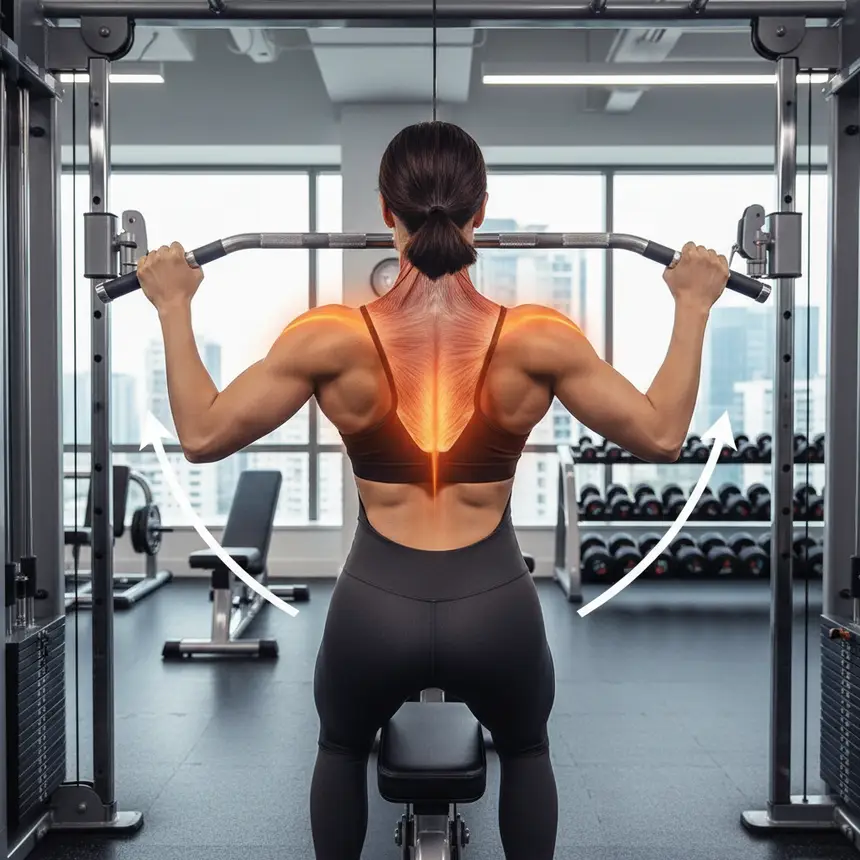
- Upper Body Strength: Try Lat Pulldowns at 35-45 lbs for 3 sets of 20 reps, Dumbbell External Rotations with 4 lbs for 3 sets of 25 reps, and Bent-Over Dumbbell Rows with 10 lbs for 3 sets of 20 reps. These movements help build balanced back and shoulder muscles, which is excellent for posture. Focus on proper form, ensuring your traps and neck don't take unnecessary strain.
- Lower Body Strength & Balance: Incorporate Leg Extensions at 35-45 lbs for 4 sets of 20 reps (focus on slow, controlled thigh activation), Lying Band Knee-ups for 3 sets of 20 reps (to activate hip flexors), and Leg Presses at 45 lbs for 4 sets of 20 reps. Split squats are effective for improving balance and lower body stability, with a focus on controlled, deliberate movements. If you've taken a break from exercise, foam roller wall squats (3 sets of 20 reps) can be a great way to rebuild leg strength.
- Cardiovascular Workout: Following your strength training, 30-40 minutes of cardio is excellent for calorie expenditure and cardiovascular health. For example, you can aim for about 400 kcal burned by doing 6-7 repetitions of 3 minutes of brisk walking followed by 2 minutes of faster walking on an incline (around 25 degrees) on a stair climber or treadmill.
Healthy Exercise Habits: Your Best Investment for the Future
Exercise is more than just a short-term solution; it's the most reliable way to enhance your quality of life in the long run. Establishing consistent exercise habits in your 40s can slow the aging process, help prevent chronic diseases, and even boost your mental well-being. Start today by setting small, achievable goals. For instance, commit to combining strength training and cardio at least three times a week, and make sure to incorporate adequate stretching before and after your workouts. Seeking guidance from a fitness professional can also be incredibly beneficial. Investing in your body now is a wise choice for a healthier you 10 or 20 years down the line. By embracing the mindset that exercise is not an option but a necessity, you will undoubtedly experience remarkable transformations.
Frequently Asked Questions
Q. Is it too late to start exercising in my 40s?
A. Absolutely not! In fact, exercising from your 40s onward is crucial for slowing down the aging process and preparing for a healthy older age. Starting now is the fastest path forward.
Q. What should I do if I experience pain during a workout?
A. If you feel any pain during exercise, it's important to stop immediately and consult with a professional. Ignoring pain and continuing to work out can lead to more serious injuries. You may need to adjust your intensity or form.
Q. What are some effective home workout routines for people in their 40s?
A. At home, you can do bodyweight squats, lunges, planks, push-ups (on your knees if needed), and if you have dumbbells, dumbbell rows or shoulder presses. While you can find many resources online, like YouTube, focus on mastering the correct form to prevent injury.
Q. How can I consistently maintain an exercise habit in a busy life?
A. Start with small, manageable goals and try to schedule your workout times to make them a routine. Also, finding an activity you genuinely enjoy will make it much easier to stick with. Having an exercise partner or seeking professional guidance can significantly boost your motivation.