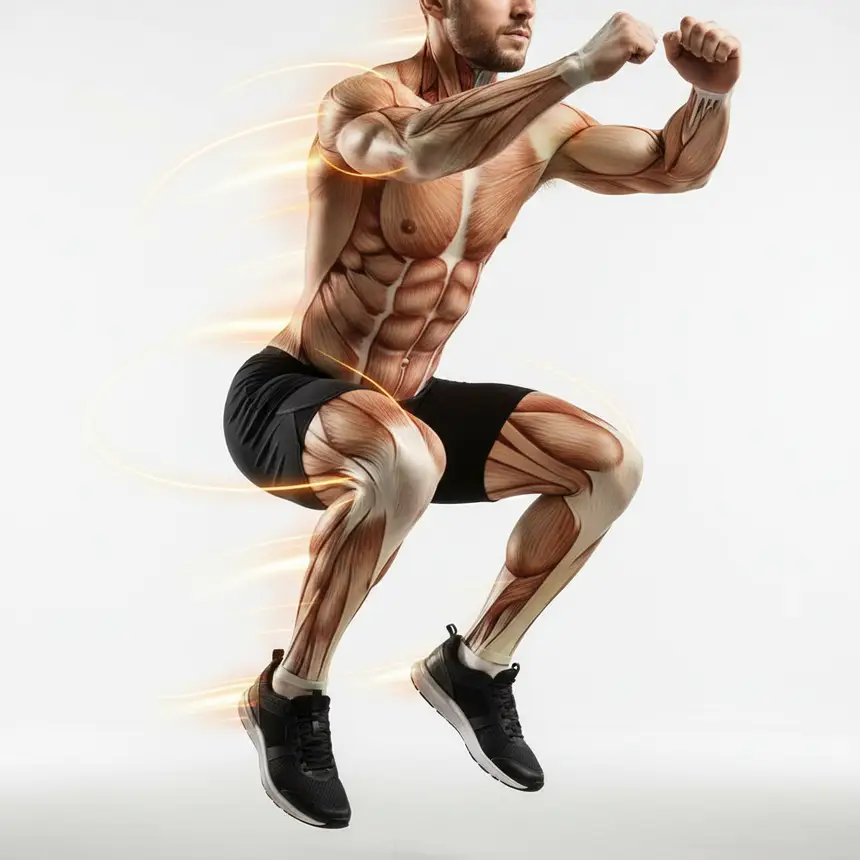
Struggling with stubborn upper body fat? Discover effective strength training and lifestyle strategies to build a lean, balanced upper body.

The Frustration of Upper Body Fat: Understanding the Challenge
Many individuals find themselves disproportionately accumulating fat in their upper body, leading to feelings of self-consciousness or perceiving themselves as 'stocky' or 'bulky.' This isn't just a cosmetic concern; it often signals underlying lifestyle factors and body composition imbalances, rather than just overeating. Specifically, stubborn fat around the arms, back, and love handles can hinder the goal of a balanced physique. Gaining a clear understanding of your body's current state and daily habits is crucial for developing an effective approach to building a strong, healthy, and defined upper body.

Targeted Training and Nutritional Approaches for Upper Body Definition
To effectively reduce upper body fat, a combination of strength training, cardiovascular exercise, and diligent nutritional management is essential.
2. Dumbbell Rows: Targets the mid-back muscles. Hold a dumbbell in one hand, hinge at your hips, and pull the dumbbell towards your chest, squeezing your shoulder blade. Perform 3 sets of 10-12 repetitions per arm.
3. Overhead Press: Focuses on shoulder development. Hold dumbbells at shoulder height and press them overhead. Complete 3 sets of 10-12 repetitions.
- The Importance of Strength Training: Building lean muscle in your upper body increases your basal metabolic rate, which aids overall fat loss. Strengthening muscles in your back, shoulders, and arms will create a more toned and balanced physique.
- Recommended Upper Body Workout Routine:
2. Dumbbell Rows: Targets the mid-back muscles. Hold a dumbbell in one hand, hinge at your hips, and pull the dumbbell towards your chest, squeezing your shoulder blade. Perform 3 sets of 10-12 repetitions per arm.
3. Overhead Press: Focuses on shoulder development. Hold dumbbells at shoulder height and press them overhead. Complete 3 sets of 10-12 repetitions.
- Incorporating Cardio: Aerobic exercises such as brisk walking, jogging, or cycling are vital for burning overall body fat. Aim for 30 minutes or more, 3-5 times per week.
- Balanced Nutritional Management: Prioritize a diet rich in lean protein, complex carbohydrates, and plenty of fruits and vegetables to ensure nutritional balance. Minimize processed foods and sugar intake, and include healthy fats like nuts and avocados in moderation. Staying well-hydrated is also a key habit.
※ This post contains affiliate links. I may earn a commission at no extra cost to you.


Sustaining Your Progress: Lifestyle Habits for Long-Term Success
Reducing upper body fat is achieved through sustainable lifestyle changes, not just short-term efforts. Remember that consistency yields the most significant results.
1. Apply the Principle of Progressive Overload: Gradually increase the intensity or volume of your workouts to continually challenge your muscles. As your body adapts, try adding new exercises or increasing the weight you lift.
2. Adequate Rest and Sleep: Muscles recover and grow during rest. Aim for 7-8 hours of quality sleep per night, which is crucial for hormonal balance and reducing fatigue.
3. Stress Management: Chronic stress can elevate cortisol levels, potentially contributing to fat accumulation, especially in the abdominal and upper body regions. Managing stress through activities like light walks, meditation, or hobbies is beneficial.
4. Personalized Approach: Everyone's body is unique. While it's helpful to learn from others' successes, the most important thing is to find an exercise plan and dietary adjustments that suit your specific body type and health condition, then stick with them consistently. Consulting a fitness professional can also provide valuable guidance.
1. Apply the Principle of Progressive Overload: Gradually increase the intensity or volume of your workouts to continually challenge your muscles. As your body adapts, try adding new exercises or increasing the weight you lift.
2. Adequate Rest and Sleep: Muscles recover and grow during rest. Aim for 7-8 hours of quality sleep per night, which is crucial for hormonal balance and reducing fatigue.
3. Stress Management: Chronic stress can elevate cortisol levels, potentially contributing to fat accumulation, especially in the abdominal and upper body regions. Managing stress through activities like light walks, meditation, or hobbies is beneficial.
4. Personalized Approach: Everyone's body is unique. While it's helpful to learn from others' successes, the most important thing is to find an exercise plan and dietary adjustments that suit your specific body type and health condition, then stick with them consistently. Consulting a fitness professional can also provide valuable guidance.
Frequently Asked Questions
Q. What are the most effective exercises for reducing upper body fat?
A. The most effective approach combines upper body strength training (like push-ups, dumbbell rows, overhead presses) with full-body cardio exercises (such as walking, jogging, or cycling). Building muscle helps boost metabolism, while cardio burns overall body fat.
Q. How crucial is diet in losing upper body fat?
A. Diet is just as crucial as exercise. Even with intense workouts, a high-calorie, high-fat diet will hinder fat reduction. A balanced diet rich in lean protein, complex carbohydrates, and sufficient hydration is essential.
Q. Can I quickly reduce upper body fat in a short period?
A. Rather than seeking rapid, short-term changes, focusing on consistent and sustainable lifestyle improvements is far more effective for maintaining a healthy and toned physique in the long run. Drastic diets often lead to a rebound effect.
Q. Is it possible to target fat loss specifically in certain areas like my arms or back?
A. Unfortunately, 'spot reduction' or selectively losing fat from specific body parts is not possible. While you can strengthen specific muscles through exercise, fat is burned from the body as a whole. Therefore, focusing on overall body fat reduction will also help decrease upper body fat.
Q. I'm new to exercise; how should I start with upper body workouts?
A. If you're a beginner, start with bodyweight exercises or very light weights to avoid injury. Focus on mastering the correct form for basic movements like modified push-ups (on knees), light dumbbell rows, or band exercises. Gradually increase intensity as you get stronger. Consulting a fitness professional for guidance is also a great option.