Restore your posture and strengthen your core at home, even with a busy schedule. Discover effective balance training methods for posture improvement and essential safety tips.

Reclaim Your Posture: 10 Minutes a Day for a Stronger Core
The Underrated Power of Your Core in Daily Life
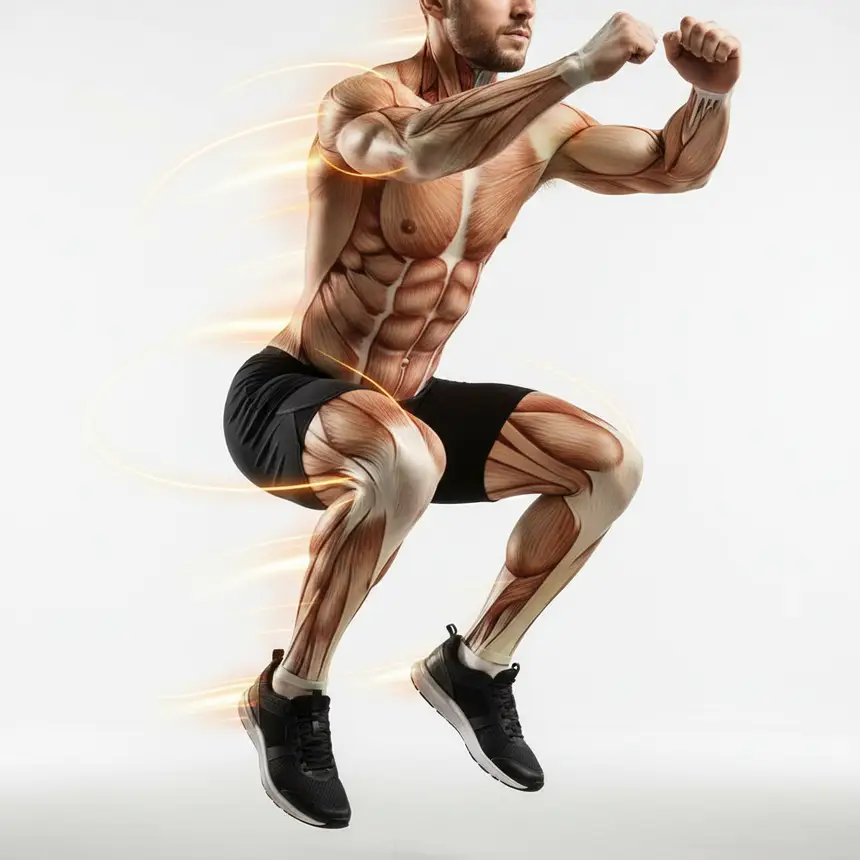
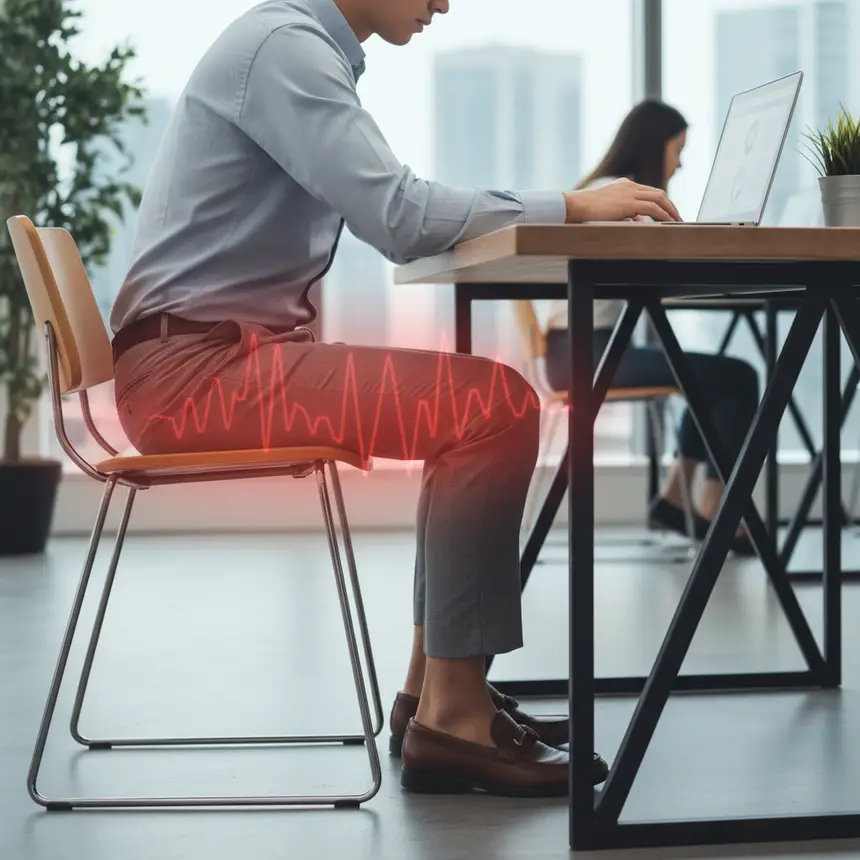
Modern lifestyles, often involving long hours of sitting, childcare, or household chores, commonly lead to postural imbalances—think rounded shoulders, a hunched back, or pelvic tilt. Many of us see these changes in the mirror and feel the discomfort, yet finding time for a gym workout seems impossible. Here's good news: just 5 to 10 minutes of dedicated core workouts at home can lead to remarkable posture correction. By strengthening your core, your body's central stability improves, making everyday movements feel significantly easier and more fluid. Engaging in balance training using unstable tools can be particularly effective, activating deep core muscles more efficiently than standard bodyweight exercises, thereby enhancing your overall sense of balance and stability. This isn't just about looking better; it's about investing in a more energetic and pain-free daily life.
Modern lifestyles, often involving long hours of sitting, childcare, or household chores, commonly lead to postural imbalances—think rounded shoulders, a hunched back, or pelvic tilt. Many of us see these changes in the mirror and feel the discomfort, yet finding time for a gym workout seems impossible. Here's good news: just 5 to 10 minutes of dedicated core workouts at home can lead to remarkable posture correction. By strengthening your core, your body's central stability improves, making everyday movements feel significantly easier and more fluid. Engaging in balance training using unstable tools can be particularly effective, activating deep core muscles more efficiently than standard bodyweight exercises, thereby enhancing your overall sense of balance and stability. This isn't just about looking better; it's about investing in a more energetic and pain-free daily life.

Utilizing Stable Balance Training Tools and Key Exercises
Your Guide to Choosing Effective Core Strengthening Equipment
To maximize the benefits of your core workout and ensure a safe start, especially as a beginner, selecting the right tools is paramount. A balance training tool with a wide, stable platform can significantly reduce apprehension about instability, allowing you to focus purely on your exercise. For instance, a spacious foot platform, perhaps around 16 inches (400mm) or more in diameter, offers ample support, helping beginners maintain balance with ease. Furthermore, a non-slip surface, both on top and underneath, ensures safety whether you're barefoot or using the tool inverted. Specialized designs, often incorporating a gentle angle, naturally engage and activate muscles around your abdomen, lower back, and pelvis. Some designs even feature acupressure points on the underside, providing a soothing foot massage post-workout—a welcome bonus after physical activity. Ergonomic handles can also enhance versatility for various exercises and make the tool easy to move around your home.
Additionally, incorporating a resistance band can further amplify your workout's effectiveness. A flexible, ring-shaped band, for example, made with soft yet resilient material, can provide significant resistance for inner thigh or arm exercises without discomfort, expanding your routine to a full-body workout. Opting for products made from eco-friendly materials also adds to peace of mind during use. Consistent home fitness with these tools will pave the way for noticeable posture correction and a robust core.
To maximize the benefits of your core workout and ensure a safe start, especially as a beginner, selecting the right tools is paramount. A balance training tool with a wide, stable platform can significantly reduce apprehension about instability, allowing you to focus purely on your exercise. For instance, a spacious foot platform, perhaps around 16 inches (400mm) or more in diameter, offers ample support, helping beginners maintain balance with ease. Furthermore, a non-slip surface, both on top and underneath, ensures safety whether you're barefoot or using the tool inverted. Specialized designs, often incorporating a gentle angle, naturally engage and activate muscles around your abdomen, lower back, and pelvis. Some designs even feature acupressure points on the underside, providing a soothing foot massage post-workout—a welcome bonus after physical activity. Ergonomic handles can also enhance versatility for various exercises and make the tool easy to move around your home.
- Foundational Balance Holds: Begin by simply standing on the balance tool, focusing on maintaining equilibrium with both feet. Initially, you might steady yourself with a hand on a wall. As you progress, try lifting one foot or performing gentle squats.
- Dynamic Core Plank: Position your elbows on the balance tool and hold a plank position. The inherent instability of the tool intensifies the core engagement.
- Abdominal Crunch Variations: Perform crunches while lying with your back on the tool, or with your feet elevated on it, to enhance abdominal muscle contraction.
Additionally, incorporating a resistance band can further amplify your workout's effectiveness. A flexible, ring-shaped band, for example, made with soft yet resilient material, can provide significant resistance for inner thigh or arm exercises without discomfort, expanding your routine to a full-body workout. Opting for products made from eco-friendly materials also adds to peace of mind during use. Consistent home fitness with these tools will pave the way for noticeable posture correction and a robust core.
※ This post contains affiliate links. I may earn a commission at no extra cost to you.


Advice for Safe and Sustainable Core Training
Smart Exercise Habits and Recommended Users
While consistency is key for core workouts, beginners should prioritize safety and gradual progression over ambitious goals. Start with short sessions, perhaps under 5 minutes, and gradually increase duration as your body adapts. Always listen to your body; if you feel pain, stop immediately and rest. Proper stretching before and after exercise, along with maintaining correct form, is crucial for injury prevention. Given the balance demands of balance training, ensure your exercise area is clear and free of obstacles to prevent slips or falls.
This type of home fitness core strengthening is particularly recommended for:
By dedicating a small amount of time daily to fortify your core muscles, you will soon notice yourself naturally finding your center, achieving greater stability, and experiencing significant posture correction. Building sustainable exercise habits is a gift to your healthy body and vibrant daily life.
While consistency is key for core workouts, beginners should prioritize safety and gradual progression over ambitious goals. Start with short sessions, perhaps under 5 minutes, and gradually increase duration as your body adapts. Always listen to your body; if you feel pain, stop immediately and rest. Proper stretching before and after exercise, along with maintaining correct form, is crucial for injury prevention. Given the balance demands of balance training, ensure your exercise area is clear and free of obstacles to prevent slips or falls.
This type of home fitness core strengthening is particularly recommended for:
- Individuals struggling with chronic lower back discomfort or general postural imbalances.
- New mothers looking to stabilize their pelvis and strengthen weakened core muscles postpartum.
- Anyone unable to attend a gym or lacking time for outdoor exercise, seeking effective home workout solutions.
- Exercise beginners who want a safe and accessible way to build core strength.
- Those aiming to improve overall body stability and balance.
By dedicating a small amount of time daily to fortify your core muscles, you will soon notice yourself naturally finding your center, achieving greater stability, and experiencing significant posture correction. Building sustainable exercise habits is a gift to your healthy body and vibrant daily life.
Frequently Asked Questions
Q. How does balance training differ from regular core exercises?
A. Balance training involves exercising on an unstable surface, which forces more core muscles, including deeper stabilizing muscles, to activate compared to traditional bodyweight exercises. This simultaneously improves your balance and coordination.
Q. How often and for how long should I do core workouts to see results?
A. For beginners, start with short sessions of 5-10 minutes daily. As you get more comfortable, gradually increase the duration. Consistency is vital, so aim for 3-5 times a week regularly.
Q. What safety precautions should I take when using a balance tool?
A. Ensure your workout area is clear to prevent trips or slips, and perform adequate stretching before and after your session. Initially, practice balancing while holding onto a wall or a sturdy chair for support. Stop immediately if you feel any pain.
Q. How do core workouts contribute to better posture?
A. Core muscles play a crucial role in stabilizing your spine and holding your body's center. Strengthening them helps to align your body's axis, correcting common postural issues like rounded shoulders or a hunched back, leading to overall posture improvement.
Q. Is balance training effective for strengthening a weakened core postpartum?
A. Yes, balance training can be very effective for strengthening abdominal and pelvic floor muscles weakened after childbirth, and it can help address pelvic imbalances. However, it's always important to consult with a doctor or physical therapist before starting any new exercise regimen postpartum.