Are you experiencing daily discomfort from knee pain? Strengthening your thigh muscles and adopting healthy habits are key to safeguarding your knee health. Discover expert-recommended comprehensive knee care, including exercises, diet, and sleep management for pain relief.

That Nagging Knee Ache: It's More Common Than You Think
You used to bound up the stairs without a second thought. Now, each step sends a dull throb through your knee. Standing in line for a few minutes leaves you shifting your weight, trying to alleviate a persistent ache. This isn't just an "old age" problem anymore. Whether you're a weekend warrior, a desk-bound professional, or simply navigating daily life, that unwelcome knee discomfort can creep in, making even simple movements feel like a monumental task. Ignoring these early warning signs can lead to bigger issues, limiting your mobility and significantly impacting your quality of life. Your knees are the silent workhorses, supporting your body through countless movements, and they deserve your attention.
Unpacking Knee Pain: What's Really Going On?
The Impact of Wear and Tear and Lifestyle
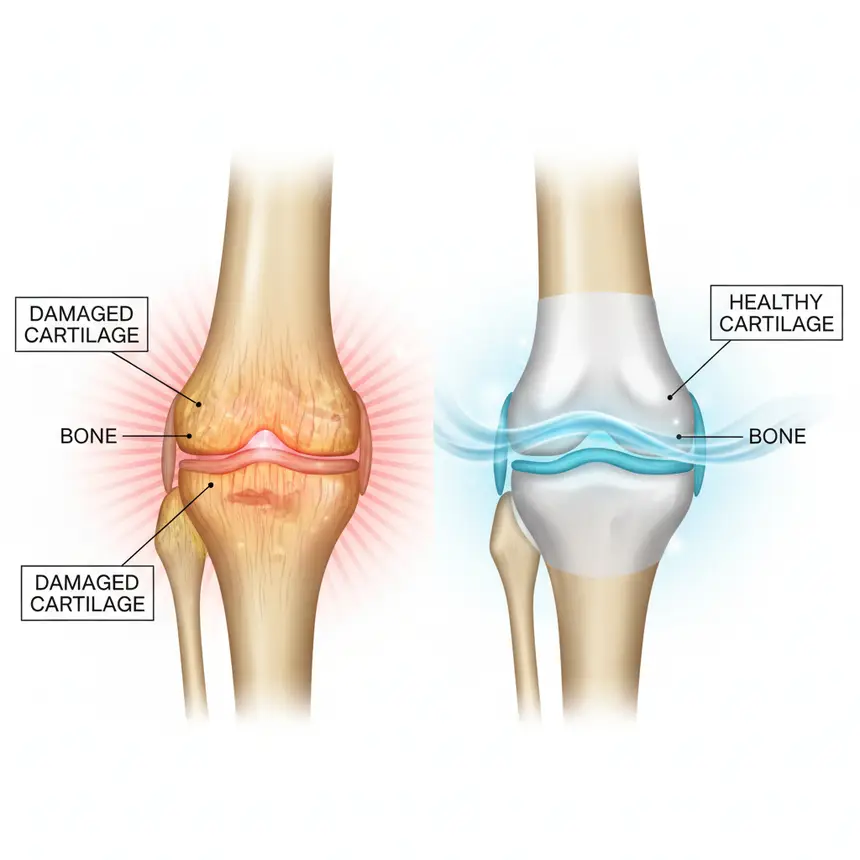
Knee pain rarely stems from a single factor. One of the most prevalent culprits is the gradual degeneration of cartilage, the smooth, protective tissue that cushions your knee joint and allows for effortless movement. When this cartilage erodes, bones can rub directly against each other, leading to inflammation and pain. Moreover, excess body weight places increased stress on your knee joints, accelerating cartilage wear. Poor posture and habitual stances, such as slouching or uneven weight distribution, can also subject your knee joints to uneven loads, contributing to chronic discomfort.
Acute Injuries and Muscular Imbalances
Sudden injuries sustained during sports or repetitive strenuous activities are also significant contributors to knee pain. Ligament sprains, meniscus tears, and other structural damage can cause immediate, sharp pain, swelling, and instability. Crucially, weakness or imbalance in the muscles surrounding your knee, particularly the thigh muscles, can exacerbate these issues. Your quadriceps and hamstrings are vital for stabilizing the knee joint and absorbing shock. When these muscles are insufficient or imbalanced, the knee becomes more vulnerable to stress and injury, potentially leading to persistent, nagging pain.
Knee pain rarely stems from a single factor. One of the most prevalent culprits is the gradual degeneration of cartilage, the smooth, protective tissue that cushions your knee joint and allows for effortless movement. When this cartilage erodes, bones can rub directly against each other, leading to inflammation and pain. Moreover, excess body weight places increased stress on your knee joints, accelerating cartilage wear. Poor posture and habitual stances, such as slouching or uneven weight distribution, can also subject your knee joints to uneven loads, contributing to chronic discomfort.
Acute Injuries and Muscular Imbalances
Sudden injuries sustained during sports or repetitive strenuous activities are also significant contributors to knee pain. Ligament sprains, meniscus tears, and other structural damage can cause immediate, sharp pain, swelling, and instability. Crucially, weakness or imbalance in the muscles surrounding your knee, particularly the thigh muscles, can exacerbate these issues. Your quadriceps and hamstrings are vital for stabilizing the knee joint and absorbing shock. When these muscles are insufficient or imbalanced, the knee becomes more vulnerable to stress and injury, potentially leading to persistent, nagging pain.
※ This post contains affiliate links. I may earn a commission at no extra cost to you.

Your Blueprint for Stronger Knees: Exercise, Nutrition, and Rest
Build a Strong Foundation: Thigh Muscle Strengthening
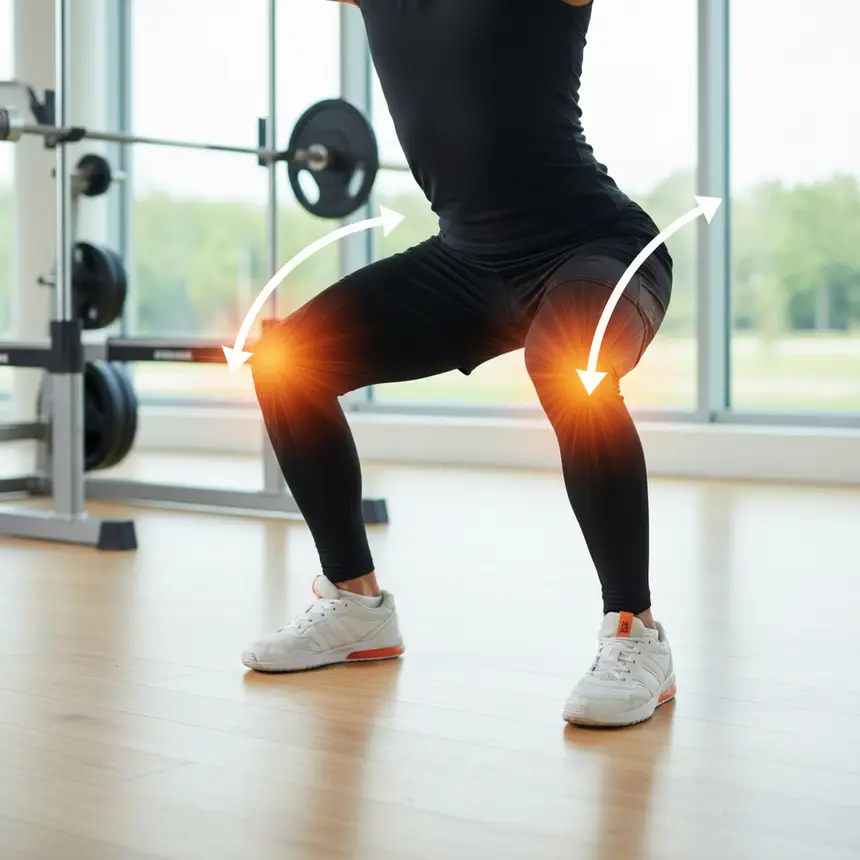
The strength of your thigh muscles is paramount for knee health. Your quadriceps (front of thigh) and hamstrings (back of thigh) work together to stabilize the knee joint, absorb impact, and reduce the risk of injury.
Fueling Joint Health and Restful Sleep
Beyond exercise, what you eat and how you sleep play crucial roles in maintaining robust knee health. Ensure a diet rich in calcium and Vitamin D, essential for bone and cartilage integrity. Think dairy products, leafy greens, and fatty fish. Antioxidants like Vitamin C (found in citrus fruits and berries) and Vitamin E (in nuts and seeds) can help combat inflammation. Prioritize whole foods – fresh vegetables, fruits, and whole grains – over processed items. Adequate hydration also supports healthy joint lubrication. Sleep is your body's prime time for repair and regeneration. Aim for 7-8 hours of consistent, quality sleep each night. This aids in joint recovery and helps regulate inflammatory responses. Create a conducive sleep environment: keep it dark and quiet, and power down electronics at least an hour before bedtime.
The strength of your thigh muscles is paramount for knee health. Your quadriceps (front of thigh) and hamstrings (back of thigh) work together to stabilize the knee joint, absorb impact, and reduce the risk of injury.
- Squats: Stand with feet shoulder-width apart. Lower your hips as if sitting in a chair, keeping your chest up and back straight. Ensure your knees don't go past your toes.
- Lunges: Step one leg forward and bend both knees until your back knee almost touches the ground. Keep your front knee directly over your ankle. Alternate legs.
- Chair Leg Extensions: Sit on a sturdy chair. Slowly extend one leg straight out in front of you, feeling the contraction in your quadriceps. Hold briefly, then slowly lower.
Fueling Joint Health and Restful Sleep
Beyond exercise, what you eat and how you sleep play crucial roles in maintaining robust knee health. Ensure a diet rich in calcium and Vitamin D, essential for bone and cartilage integrity. Think dairy products, leafy greens, and fatty fish. Antioxidants like Vitamin C (found in citrus fruits and berries) and Vitamin E (in nuts and seeds) can help combat inflammation. Prioritize whole foods – fresh vegetables, fruits, and whole grains – over processed items. Adequate hydration also supports healthy joint lubrication. Sleep is your body's prime time for repair and regeneration. Aim for 7-8 hours of consistent, quality sleep each night. This aids in joint recovery and helps regulate inflammatory responses. Create a conducive sleep environment: keep it dark and quiet, and power down electronics at least an hour before bedtime.

Integrating Knee Care Into Your Daily Routine
Mindful Posture and Consistent Habits
A foundational step in preventing knee pain is refining your daily habits. When sitting or standing for extended periods, consciously maintain good posture. If you're at a computer, adjust your monitor to eye level and sit deeply in your chair with a straight back. For prolonged standing, alternate placing one foot on a small stool or evenly distribute your weight between both feet to reduce stress on your knees. Small, consistent adjustments can make a world of difference.
Smart Exercise and The Power of Consistency
Opt for low-impact cardiovascular activities like walking, cycling, or swimming, which strengthen muscles and improve flexibility without excessive strain on your knees. Always dedicate 5-10 minutes to warm-up exercises before your main workout and cool-down stretches afterward to prepare your muscles and joints and minimize injury risk. If you feel any pain in your knees during exercise, stop immediately and rest. Pushing through pain can be counterproductive. The most impactful strategy is consistency; rather than aiming for intense, infrequent workouts, find a sustainable routine that you can stick with long-term.
A foundational step in preventing knee pain is refining your daily habits. When sitting or standing for extended periods, consciously maintain good posture. If you're at a computer, adjust your monitor to eye level and sit deeply in your chair with a straight back. For prolonged standing, alternate placing one foot on a small stool or evenly distribute your weight between both feet to reduce stress on your knees. Small, consistent adjustments can make a world of difference.
Smart Exercise and The Power of Consistency
Opt for low-impact cardiovascular activities like walking, cycling, or swimming, which strengthen muscles and improve flexibility without excessive strain on your knees. Always dedicate 5-10 minutes to warm-up exercises before your main workout and cool-down stretches afterward to prepare your muscles and joints and minimize injury risk. If you feel any pain in your knees during exercise, stop immediately and rest. Pushing through pain can be counterproductive. The most impactful strategy is consistency; rather than aiming for intense, infrequent workouts, find a sustainable routine that you can stick with long-term.

Small Steps, Big Rewards: Embrace a Life of Knee Comfort
Knee pain can be a debilitating interruption to your daily life, but it doesn't have to be a permanent fixture. With the right knowledge and consistent effort, effective management and prevention are entirely within reach. From strengthening your thigh muscles and nourishing your body with a balanced diet to prioritizing quality sleep and maintaining proper posture, each of these small, deliberate actions contributes to robust knee health. Don't aim for overnight miracles; instead, focus on making these practices a consistent part of your routine. By listening to your body and investing in your knee health daily, you can reclaim an active and comfortable lifestyle. Take that first step today. Your body, especially your hard-working knees, will thank you for it.
Frequently Asked Questions
Q. Is it okay to exercise if I have knee pain?
A. If the pain is severe, rest is crucial. However, for mild pain or after it subsides, consult a professional to start with low-impact exercises tailored to your needs. Strengthening the muscles around your knee is beneficial for long-term pain management.
Q. How long does it take to strengthen thigh muscles for knee support?
A. This varies based on individual fitness levels, exercise intensity, and consistency. Generally, you can expect to feel noticeable strength improvements after 2-3 months of regular training. The key is consistent effort over short bursts, not trying to do too much too soon.
Q. Are there specific foods that are particularly good for knee health?
A. Instead of focusing on one "superfood," aim for a balanced diet rich in nutrients vital for bone and cartilage health, such as calcium, Vitamin D, C, and E. These can be found in a variety of dairy, leafy greens, fruits, nuts, and fatty fish. Adequate hydration is also essential for maintaining joint fluid.
Q. How much does poor posture contribute to knee pain?
A. Poor posture can significantly impact knee health by continuously placing uneven stress on the joint. This can lead to cartilage wear or strain on ligaments and muscles over time, potentially resulting in chronic pain. Maintaining correct posture is therefore very important for long-term knee comfort.