Struggling with weight gain despite eating less? It might not be about willpower, but rather a slow metabolism or digestive imbalance. Discover strategies for effective weight management.

Why Am I Gaining Weight When I Barely Eat? The Frustrating Truth.
It's a common dilemma, and one that can feel incredibly frustrating: you're diligently watching your portions, saying 'no' to desserts, yet the scale keeps creeping up. Many of us fall into the trap of blaming ourselves, thinking we just don't have enough willpower. But what if the issue isn't simply how much you're eating, but rather how your body processes and utilizes that food? This isn't just about calorie math; it's about the intricate dance of your metabolism and digestive system. When your body isn't efficiently turning food into energy, or when it's struggling to properly break down nutrients, you might find yourself battling weight gain despite your best efforts. Understanding these internal processes is key to unlocking sustainable weight management and overall vitality, moving beyond the simple 'eat less, move more' equation.
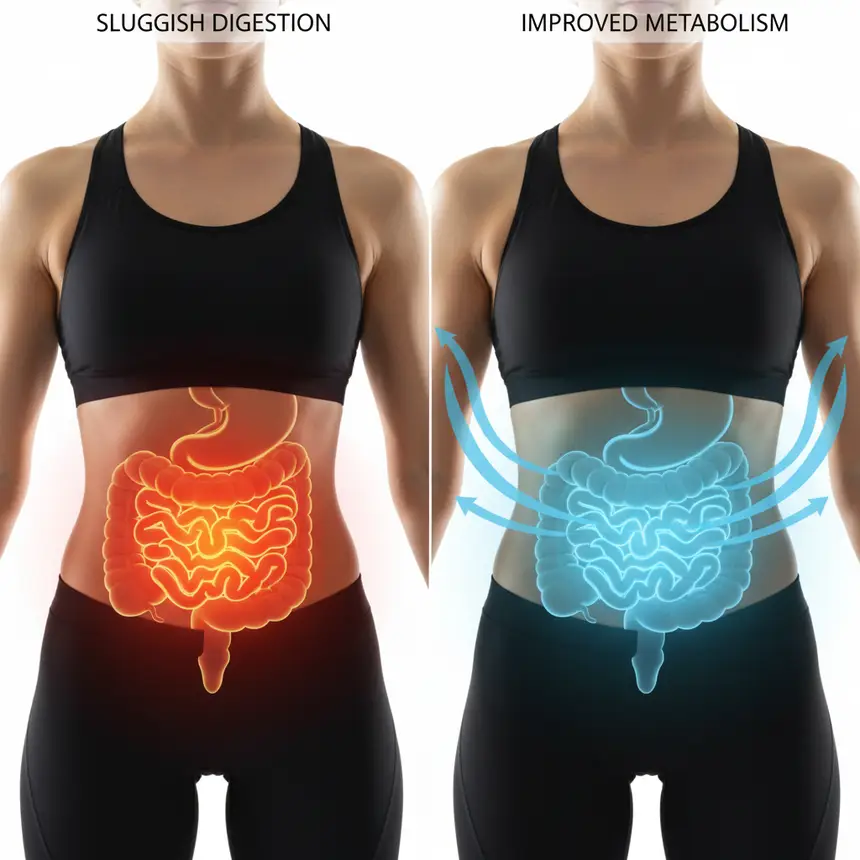
Unpacking the Connection Between Slowed Metabolism, Digestion, and Weight Challenges
Your metabolism dictates how quickly your body converts food into energy and how it uses or stores that energy. If your metabolic rate slows down, your body becomes less efficient at burning calories, preferring to stash excess energy as fat. Think of it like a car with poor fuel efficiency, burning less effectively. This can lead to weight gain even when you're consuming fewer calories, and often comes with feelings of fatigue and sluggishness.
Digestive Disruption: How Your Gut Impacts Your Waistline
Beyond metabolism, your digestive system plays a critical role in weight management. Issues like reduced digestive enzyme production or sluggish gut motility can prevent food from being properly broken down. This can lead to uncomfortable bloating, gas, and an accumulation of undigested material in your gut, which may contribute to inflammation and unnecessary fat storage. When your body isn't absorbing nutrients effectively, your brain might send signals of hunger, prompting you to eat more in an attempt to get the nutrients it craves.
- Boost Activity Levels: Incorporate regular exercise, including both cardiovascular workouts and strength training, at least three times a week. Building muscle mass is particularly effective in raising your resting metabolic rate, turning your body into a more efficient calorie-burning machine.
- Prioritize Protein: Protein requires more energy to digest than fats or carbohydrates and is crucial for muscle maintenance and growth. Adequate protein intake can help support a healthy metabolism.
Digestive Disruption: How Your Gut Impacts Your Waistline
Beyond metabolism, your digestive system plays a critical role in weight management. Issues like reduced digestive enzyme production or sluggish gut motility can prevent food from being properly broken down. This can lead to uncomfortable bloating, gas, and an accumulation of undigested material in your gut, which may contribute to inflammation and unnecessary fat storage. When your body isn't absorbing nutrients effectively, your brain might send signals of hunger, prompting you to eat more in an attempt to get the nutrients it craves.
- Hydrate Consistently: Water is essential for digestion and helps keep your bowels moving regularly, aiding in waste elimination. Aim for 6-8 glasses (1.5-2 liters) of water daily.
- Embrace Fiber-Rich Foods: Load up on fruits, vegetables, and whole grains. Dietary fiber supports a healthy gut microbiome and promotes regular bowel movements.
- Manage Stress Effectively: Chronic stress can negatively impact your digestive system. Practice stress-reducing techniques like meditation, yoga, or engaging in hobbies you enjoy.
※ This post contains affiliate links. I may earn a commission at no extra cost to you.

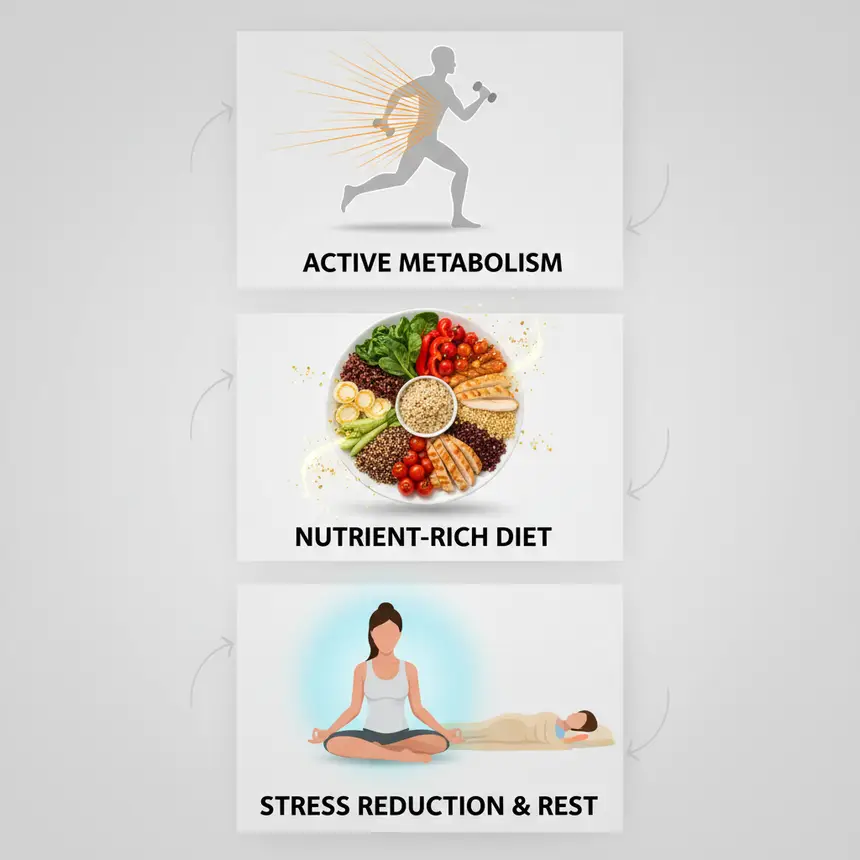
Strategic Steps for Sustainable Weight Wellness
If you're experiencing unexplained weight gain despite eating less, it's time to shift your focus beyond just calorie counting. Instead, concentrate on revitalizing your body's metabolic and digestive systems. Healthy weight management isn't a short-term fix; it's a lifelong commitment to well-being. Consider integrating these core strategies into your daily routine:
1. Elevate Your Physical Activity: Regularly engage in exercise to build muscle and increase your basal metabolic rate, encouraging your body to use energy more efficiently. A combination of aerobic activities like walking or jogging and strength training like squats or lunges is ideal.
2. Adopt Balanced Nutrition: Prioritize whole, unprocessed foods. Ensure adequate intake of lean proteins, healthy fats, complex carbohydrates, and plenty of nutrient-dense fruits and vegetables. Choose foods that are easy to digest while providing maximum nutritional value.
3. Ensure Ample Hydration: Water is fundamental for metabolism, digestion, and waste removal. Make it a habit to drink water throughout the day, even before you feel thirsty.
4. Prioritize Stress and Sleep: Chronic stress and insufficient sleep can disrupt hormone balance, negatively impacting your metabolic function. Find healthy ways to manage stress and aim for consistent, quality sleep.
A Word of Caution: If, despite consistent efforts, you see no improvement in your weight, or if you experience persistent fatigue, digestive issues, or other concerning symptoms, it’s crucial to consult with a healthcare professional. They can help identify underlying causes and provide personalized guidance. Listening to your body's signals and seeking expert advice when needed is a cornerstone of effective health and weight management.
1. Elevate Your Physical Activity: Regularly engage in exercise to build muscle and increase your basal metabolic rate, encouraging your body to use energy more efficiently. A combination of aerobic activities like walking or jogging and strength training like squats or lunges is ideal.
2. Adopt Balanced Nutrition: Prioritize whole, unprocessed foods. Ensure adequate intake of lean proteins, healthy fats, complex carbohydrates, and plenty of nutrient-dense fruits and vegetables. Choose foods that are easy to digest while providing maximum nutritional value.
3. Ensure Ample Hydration: Water is fundamental for metabolism, digestion, and waste removal. Make it a habit to drink water throughout the day, even before you feel thirsty.
4. Prioritize Stress and Sleep: Chronic stress and insufficient sleep can disrupt hormone balance, negatively impacting your metabolic function. Find healthy ways to manage stress and aim for consistent, quality sleep.
A Word of Caution: If, despite consistent efforts, you see no improvement in your weight, or if you experience persistent fatigue, digestive issues, or other concerning symptoms, it’s crucial to consult with a healthcare professional. They can help identify underlying causes and provide personalized guidance. Listening to your body's signals and seeking expert advice when needed is a cornerstone of effective health and weight management.
Frequently Asked Questions
Q. Is unexplained weight gain despite eating less always a willpower issue?
A. Not at all. It's often more complex than just willpower. Factors like a sluggish metabolism or imbalances in your digestive system can play significant roles. Focusing on improving your metabolic and digestive health, in addition to dietary adjustments, is key.
Q. What are the most effective exercises to boost metabolism?
A. A combination of strength training and cardiovascular exercise is generally most effective. Strength training builds muscle, which increases your resting metabolic rate, while cardio helps burn calories and improves overall metabolic function.
Q. What dietary changes can improve my digestive health for better weight management?
A. Focus on consuming plenty of fiber-rich foods like fruits, vegetables, and whole grains. Reduce processed foods and excessively fatty meals, which can be harder to digest. Also, practicing mindful eating by chewing slowly can greatly aid digestion.
Q. How does drinking enough water contribute to weight management?
A. Water is vital for metabolic processes, aids digestion, and helps flush out toxins. Adequate hydration can also promote a feeling of fullness, which may prevent overeating, making it a crucial component of weight management.
Q. Can stress really impact my ability to manage my weight?
A. Yes, chronic stress can lead to increased production of hormones like cortisol, which can encourage fat storage and negatively impact metabolic function. Implementing stress-management techniques such as meditation, regular relaxation, or engaging in hobbies can positively influence your weight management journey.