Feeling constantly tired and run down? It's time to focus on building stamina. This guide offers practical strategies for improving your fitness and reclaiming your energetic self.
Discover how balanced exercise, nutrition, and lifestyle adjustments can enhance your physical and mental vigor, leading to a more resilient you.

Running on Empty? Recognizing the Subtle Signs of Low Stamina
If you often find yourself dragging out of bed in the morning, feeling winded after minor daily activities, or experiencing frequent muscle stiffness, these aren't just minor inconveniences—they're your body's clear signals of diminishing stamina. A lack of physical endurance affects more than just your physical capacity; it impacts your focus at work, your emotional regulation, and ultimately, your overall quality of life. When your physical energy dips, mental fatigue often follows, potentially weakening your immune system and making you more susceptible to everyday illnesses. If you've noticed a decline in your usual energy levels, it's time to explore effective strategies for building stamina and rejuvenate your daily existence.
Unmasking the Hidden Factors Draining Your Energy Reserves
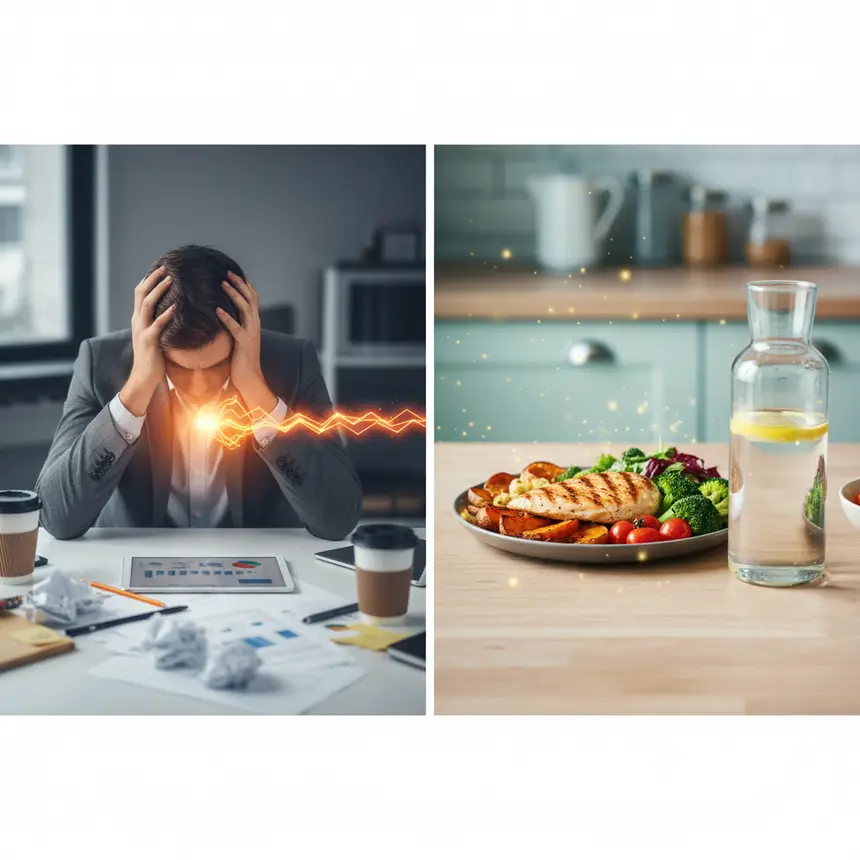
Many people attribute their reduced stamina to aging or a demanding lifestyle, yet several common lifestyle factors are often the true culprits behind a persistent energy drain. Firstly, insufficient physical activity plays a significant role. Our modern sedentary routines and lack of consistent exercise directly lead to muscle atrophy and decreased cardiovascular efficiency, quickly depleting our energy stores. Secondly, an unbalanced diet is a major contributor. Diets high in processed foods often lack essential nutrients, while irregular eating patterns can disrupt blood sugar regulation and induce chronic fatigue. Additionally, inadequate hydration can significantly impair metabolic efficiency. Thirdly, irregular sleep patterns and chronic stress severely impact stamina. Insufficient sleep deprives the body of crucial recovery time, and persistent stress can lead to hormonal imbalances that utterly exhaust your physical resources. Recognizing these underlying causes is the vital first step in effective stamina improvement.
※ This post contains affiliate links. I may earn a commission at no extra cost to you.


The Three Pillars of Power: Comprehensive Strategies for Boosting Your Fitness
To effectively enhance your stamina, simply exercising isn't enough; a balanced approach incorporating exercise, nutrition, and rest is essential. First, establish a consistent exercise routine. Aim for 3-5 sessions per week, each lasting at least 30 minutes, of cardiovascular activities like brisk walking, light jogging, or cycling, which boost heart and lung health. Supplement this with 2-3 weekly sessions of full-body strength training, such as squats, lunges, push-ups, and planks, to build muscle mass and increase your resting metabolic rate. Second, prioritize a balanced diet and adequate hydration. Ensure your meals include complex carbohydrates (whole grains, vegetables) for sustained energy, sufficient protein (lean meats, fish, legumes) for muscle repair, and healthy fats (nuts, avocados). Consuming eight or more glasses of water daily is crucial for optimal bodily functions. Third, make time for regular rest and effective stress management. Aim for 7-9 hours of quality sleep nightly, maintaining a consistent sleep schedule. Incorporate stress-reducing activities like meditation, yoga, or hobbies to manage mental fatigue. This harmonious blend of these three elements is the true secret to building stamina.

Small Steps, Big Gains: Your Roadmap to Sustainable Fitness
Improving your stamina is a marathon, not a sprint. Instead of expecting rapid, dramatic changes, focus on setting realistic, gradual goals and consistently sticking to them. For instance, begin with just 10 minutes of walking daily and slowly increase the duration, or commit to adding an extra serving of vegetables to one meal a day. Tracking your workouts, diet, and sleep patterns can be an incredibly powerful motivator. Seeing your progress visually can create a strong impetus to continue your efforts. It's also important to be flexible; if life throws a curveball and your plan gets derailed, avoid self-blame. Simply acknowledge the setback and gently get back on track. If needed, consulting a fitness professional or nutritionist can provide personalized strategies tailored to your specific needs. Take that small first step today and embark on your journey toward a more vibrant, energetic life.
Frequently Asked Questions
Q. I'm new to exercise; what's the best way to start building stamina?
A. Begin with low-impact cardiovascular exercises. Activities like brisk walking or cycling for 20-30 minutes daily are excellent starting points as they put less strain on your joints. Once your stamina improves, you can gradually incorporate basic strength training exercises like squats or planks 2-3 times a week.
Q. As a busy professional, how can I effectively improve my stamina?
A. It's definitely achievable! Utilize your lunch breaks for short walks or take the stairs instead of elevators. Aim for even 20 minutes of bodyweight exercises at home after work. On weekends, engage in activities like hiking or cycling to boost your overall physical activity.
Q. Diet management seems daunting. Are there easy ways to start for better energy?
A. Focus on small, manageable changes. Try adding one serving of protein (like chicken breast, eggs, or legumes) and one serving of vegetables to each meal. Also, consciously reduce your intake of processed foods and increase your daily water consumption – these simple steps can make a significant difference.
Q. What are some effective sleep habits for improving stamina?
A. The most crucial habit is maintaining a consistent sleep schedule, even on weekends. Aim to go to bed and wake up around the same time each day. Additionally, avoid screens an hour before bedtime and create a dark, quiet, and cool environment to promote deeper, restorative sleep.
Q. What health issues can arise from consistently low stamina?
A. Low stamina often leads to decreased physical activity, contributing to weight gain. It can also weaken your immune system, making you more susceptible to infections like the common cold. Furthermore, chronic fatigue, muscle aches, and digestive discomfort are common complaints associated with reduced energy levels.