Maximize your squat benefits with proper form and injury prevention tips. Learn how 10 minutes a day can transform your entire body and boost your overall health.

Unlocking Your Potential: Can 10 Minutes a Day Really Transform Your Body?
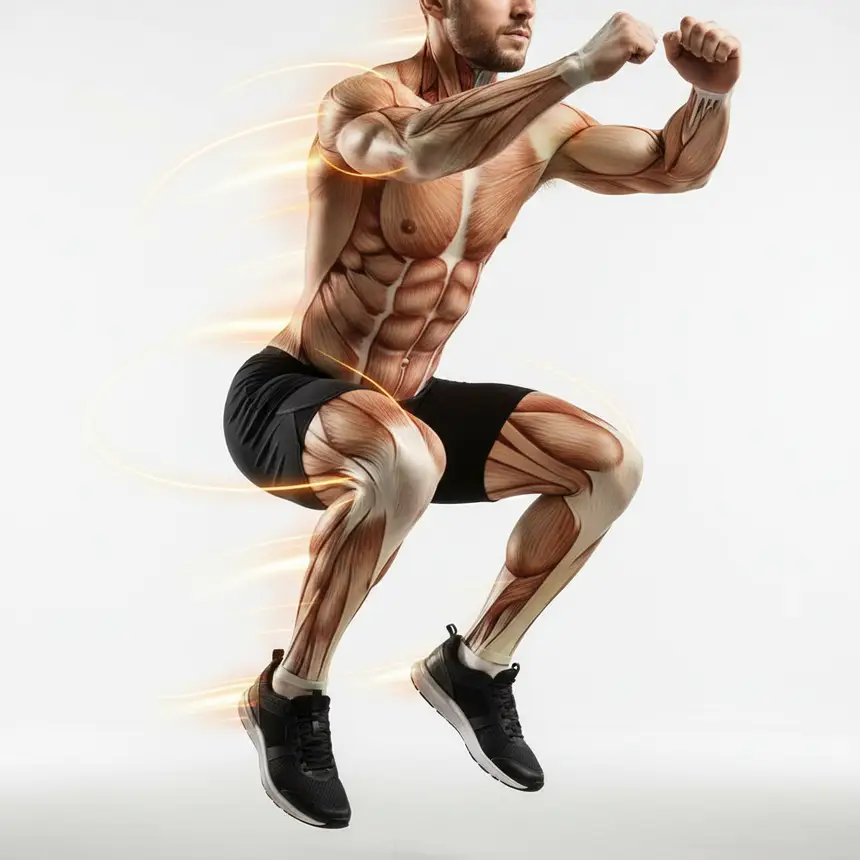
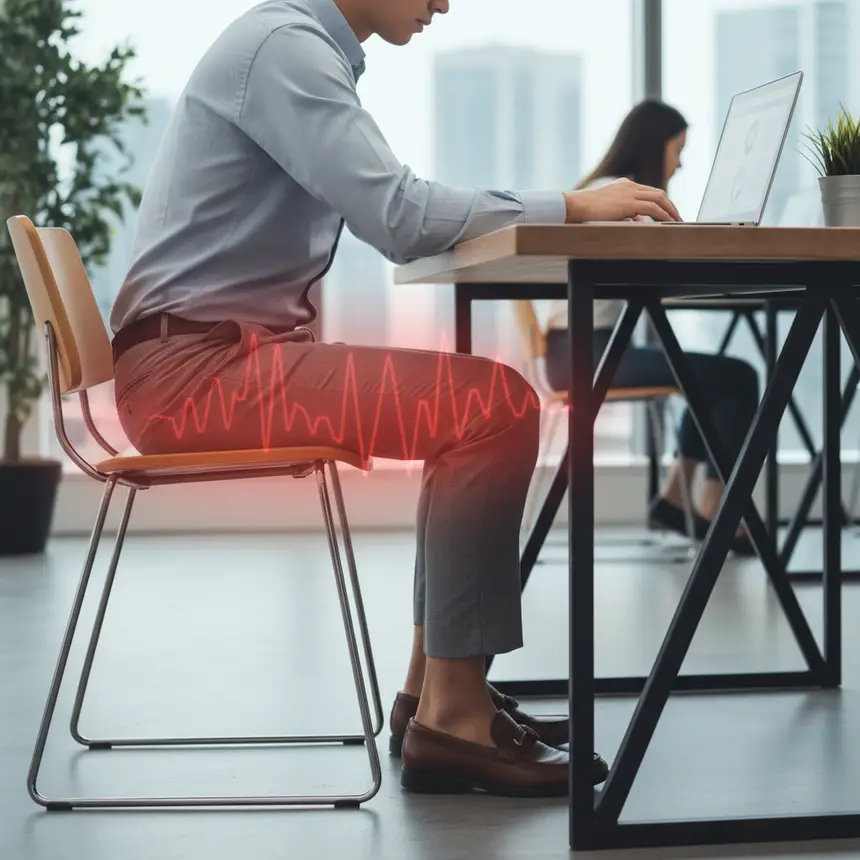
Ever feel like you're short on time but still crave a powerful, effective workout? Do you sometimes wonder if you're truly getting the most out of basic exercises? The squat, a fundamental movement, is often hailed as the king of exercises, yet many people perform it without fully understanding its profound impact or the correct technique. What if we told you that dedicating just 10 minutes daily to proper squat practice could unlock incredible benefits for your entire body? It's not just about building leg muscles; it's about enhancing overall strength, improving posture, and boosting your metabolism. Let's explore how this simple yet mighty movement can bring about remarkable changes and how you can master it for a healthier, more vibrant you.
The Hidden Downsides: Why Incorrect Squat Form Can Derail Your Progress
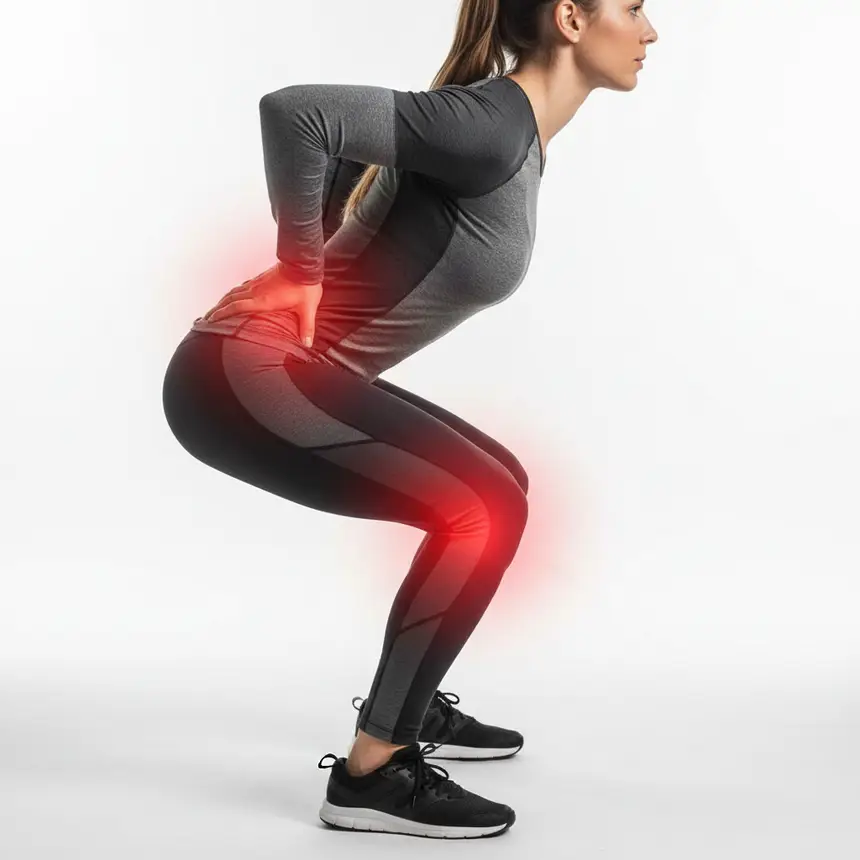
While squats are a fantastic way to build lower body strength and promote full-body stability, performing them with improper form can severely limit their benefits and even lead to injury. Poor technique doesn't just reduce exercise effectiveness; it can put unnecessary strain on your joints and spine over time. Here are some of the most common pitfalls to watch out for:
- Knees extending excessively past your toes: This places undue pressure on your knee joints, potentially causing discomfort or injury.
- Rounding your lower back or hunching forward: This compromises spinal integrity, increasing the risk of back pain and more serious issues.
- Not squatting deep enough: Limiting your range of motion means less muscle activation in your glutes and hamstrings, reducing the overall effectiveness of the exercise.
- Heels lifting off the ground: An unstable base can throw off your balance and reduce your power output, making the movement less efficient and potentially dangerous.
※ This post contains affiliate links. I may earn a commission at no extra cost to you.

Master the Movement: A Step-by-Step Guide to Perfect Squat Form
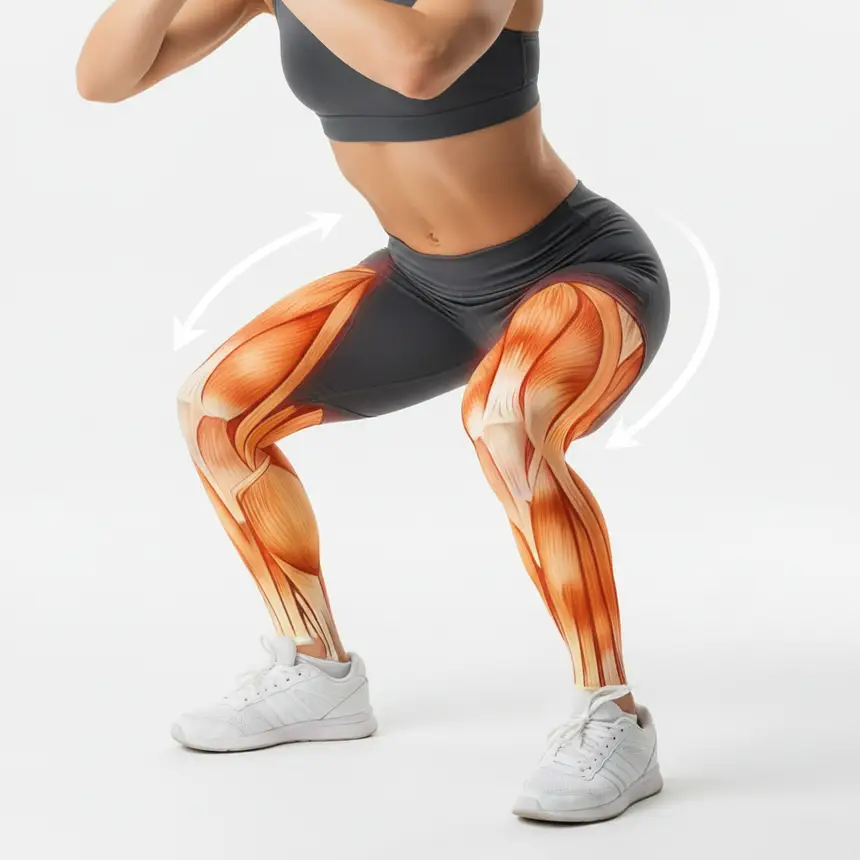
To maximize the benefits of squats and prevent injuries, focusing on foundational, correct form is paramount. Follow these steps to refine your technique and build a strong, stable base:
1. Starting Stance: Stand with your feet roughly shoulder-width apart, toes pointing slightly outward (about 10-30 degrees). Keep your chest lifted and your gaze straight ahead.
2. Descent Phase: Initiate the movement by pushing your hips back as if you're sitting down in a chair. Bend your knees slowly and maintain a neutral spine – avoid rounding your back or arching it excessively. Engage your core muscles to stabilize your torso. Ensure your knees track in line with your toes, and keep your entire foot firmly planted on the floor.
3. Depth Control: Descend until your thighs are parallel to the ground, or as deep as your flexibility allows without compromising form (i.e., your back rounding or heels lifting). The goal is to achieve the greatest possible depth while maintaining good posture.
4. Ascent Phase: Drive up through your heels, engaging your glutes and quads to return to the starting position. As you stand, avoid locking out your knees completely; maintain a slight bend to keep tension in your muscles.
Consistent practice with this proper form will not only strengthen your lower body and core but also contribute to a more balanced and resilient physique.
1. Starting Stance: Stand with your feet roughly shoulder-width apart, toes pointing slightly outward (about 10-30 degrees). Keep your chest lifted and your gaze straight ahead.
2. Descent Phase: Initiate the movement by pushing your hips back as if you're sitting down in a chair. Bend your knees slowly and maintain a neutral spine – avoid rounding your back or arching it excessively. Engage your core muscles to stabilize your torso. Ensure your knees track in line with your toes, and keep your entire foot firmly planted on the floor.
3. Depth Control: Descend until your thighs are parallel to the ground, or as deep as your flexibility allows without compromising form (i.e., your back rounding or heels lifting). The goal is to achieve the greatest possible depth while maintaining good posture.
4. Ascent Phase: Drive up through your heels, engaging your glutes and quads to return to the starting position. As you stand, avoid locking out your knees completely; maintain a slight bend to keep tension in your muscles.
Consistent practice with this proper form will not only strengthen your lower body and core but also contribute to a more balanced and resilient physique.
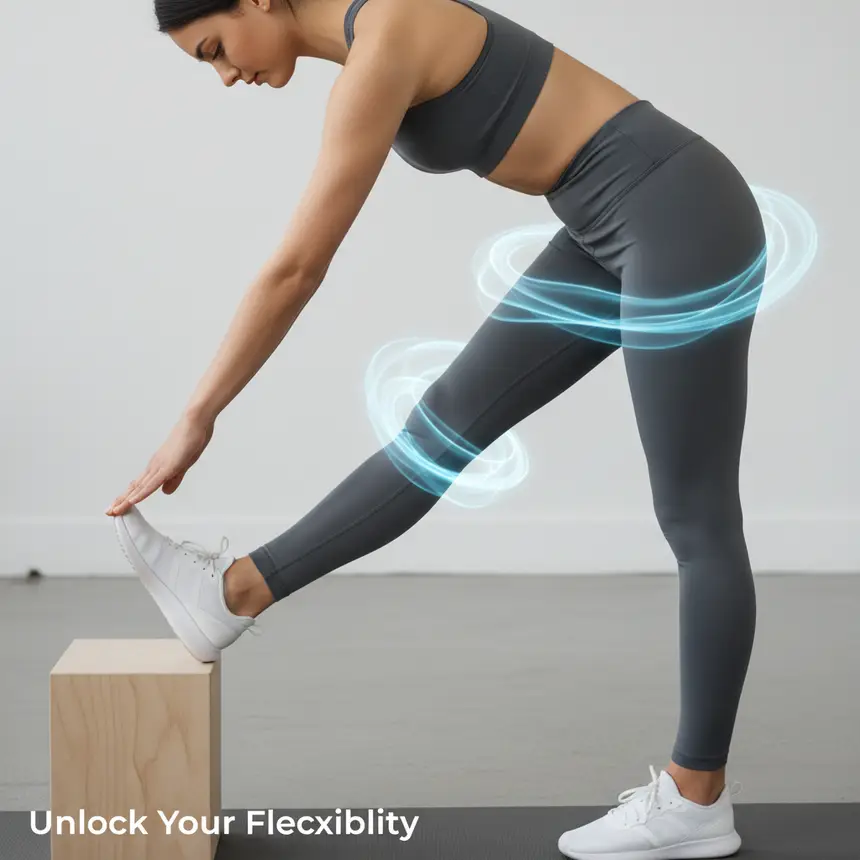
Squat Smart: Essential Tips for Safe and Sustained Progress
To fully harness the power of squats, it's crucial to integrate proper technique with smart training practices. Here are some practical tips to keep you safe and help you progress:
- Prioritize Warm-up and Cool-down: Dedicate 5-10 minutes before and after your squats to dynamic stretches (like leg swings) and static stretches (for hip flexors and hamstrings). This improves your range of motion and significantly lowers injury risk.
- Embrace Gradual Progression: Don't jump into heavy weights or high repetitions too soon. Start with bodyweight squats, perhaps 3 sets of 10-12 repetitions, and gradually increase sets, reps, or add light resistance (like dumbbells) as your strength improves. Consistency over intensity is key in the beginning.
- Listen to Your Body: Pay close attention to any discomfort or pain during your squats. If you feel sharp pain in your knees, back, or anywhere else, stop immediately and rest. Pushing through pain can lead to serious injury.
- Utilize Visual Feedback: Whenever possible, perform your squats in front of a mirror. This allows you to visually check your form – knee alignment, back posture, and hip depth – and make real-time corrections, accelerating your learning process.
Squats: A Foundation for a Stronger, Healthier You
Squats are far more than just a leg exercise; they are a full-body movement that builds functional strength, improves posture, and enhances overall well-being. By consistently performing squats with correct form, you'll strengthen major lower body muscles like your quadriceps, hamstrings, and glutes, making everyday movements easier and more efficient. Furthermore, this powerful exercise boosts your basal metabolic rate, aiding in healthy weight management, and strengthens your core, leading to better balance and spinal support. Just 10 minutes a day, coupled with dedication, can yield remarkable transformations. Embrace the journey of mastering the squat and witness how this simple yet profound exercise can pave the way to a healthier, more active, and more confident life.
Frequently Asked Questions
Q. Is it okay to squat every day?
A. While daily squats can be beneficial, beginners should aim for 3-4 times a week to allow for muscle recovery. Gradually increase frequency as your body adapts, always listening to your body's fatigue levels.
Q. My knees click when I squat, is that normal?
A. If there's no pain associated with the clicking sound, it's often due to gas bubbles in the joint (cavitation) and is generally harmless. However, if you experience pain or persistent clicking, it's best to consult a healthcare professional.
Q. How deep should I squat?
A. The ideal depth is when your thighs are parallel to the ground, or as deep as your flexibility allows without rounding your back or lifting your heels. Focus on maintaining good form throughout the full range of motion.
Q. My lower back hurts after squatting. What's wrong?
A. Lower back pain after squats often stems from an improperly aligned spine, usually rounding or over-arching. Focus on keeping your core engaged and your chest up, pushing your hips back to maintain a natural spinal curve.
Q. Where should my feet be placed when squatting?
A. A common starting point is with your feet shoulder-width apart, toes pointing slightly outward (10-30 degrees). This generally allows for natural hip mobility and stability. You can adjust slightly based on your comfort and flexibility.